Why Millennials and Gen Z Are Officially Canceled From the Housing Market, According to AOC
Buying a first home used to feel difficult, but possible. Now, for many younger Americans, it feels completely out of reach. Rep. Alexandria Ocasio-Cortez recently reignited the housing debate, pointing to the growing gap between wages and home prices. Millions of millennials and Gen Z adults are still renting, living with family, or putting off major life plans because owning a home keeps feeling farther away.
Starter Homes Now Require Big Salaries
Credit: pexels
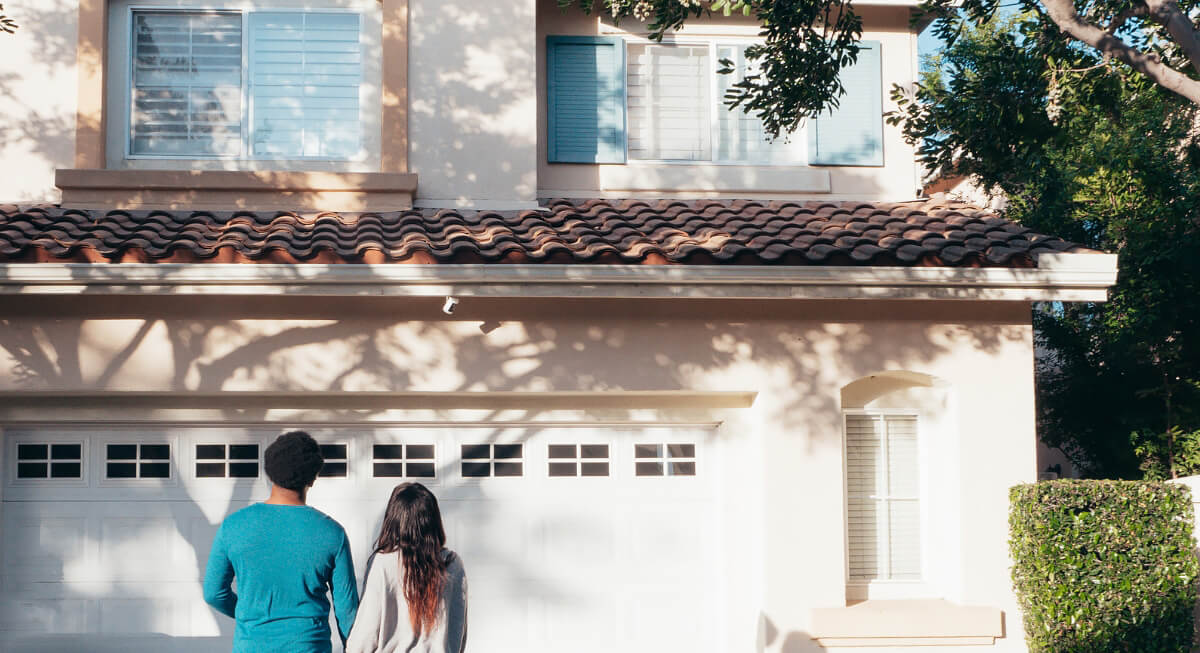
Realtor.com reported that, in 2025, buying a median-priced starter home required an income of around $86,000. That figure is far more than what many workers in their twenties and early thirties bring home. Younger buyers walk into open houses carrying student debt and mortgage calculators. Even modest properties now attract bidding wars that wipe out first-time buyers almost immediately.
Airbnb Became A Housing Villain
Credit: pexels
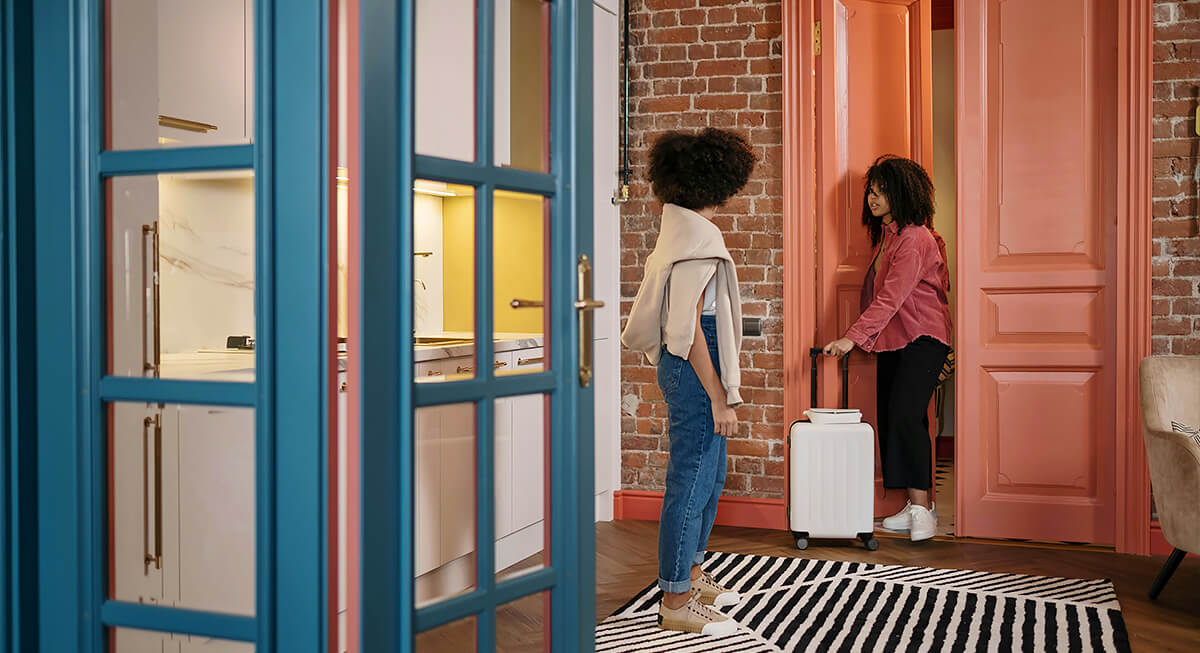
AOC aimed directly at Airbnb during her criticism of the housing market. She argued that investors buying homes for short-term rentals have reduced local housing supply in tourist-heavy cities. Places like Puerto Rico and Jackson Hole often come up because locals struggle to compete with rising vacation prices.
The First-Time Buyer Is Getting Older

Credit: Getty Images
The National Association of Realtors found that the median age of a first-time homebuyer has climbed to 40. That number feels less like a milestone and more like waiting years for something that used to come much earlier in life. In previous generations, people often bought homes before marriage or children. Today, many younger Americans reach those milestones first and only consider homeownership much later.
Young Adults Are Staying Home Longer

Credit: Getty Images
Nearly 2 million households are expected to have disappeared from the housing market last year. Many younger adults moved back with parents, split rent with roommates, or postponed living independently altogether. Plenty of people work full-time jobs, yet still cannot afford deposits or monthly payments in major metro areas.
Investors Keep Beating Regular Buyers

Credit: Canva
Younger buyers often enter the market with pre-approvals and tight budgets, while investors show up with cash offers and flexible timelines. That gap leaves many first-time buyers frustrated in an already limited housing market. AOC focused on wealth concentration in recent discussions, arguing that large investors can treat housing more like a business asset than a place to live.
Rent Keeps Eating Potential Down Payments
Credit: Canva
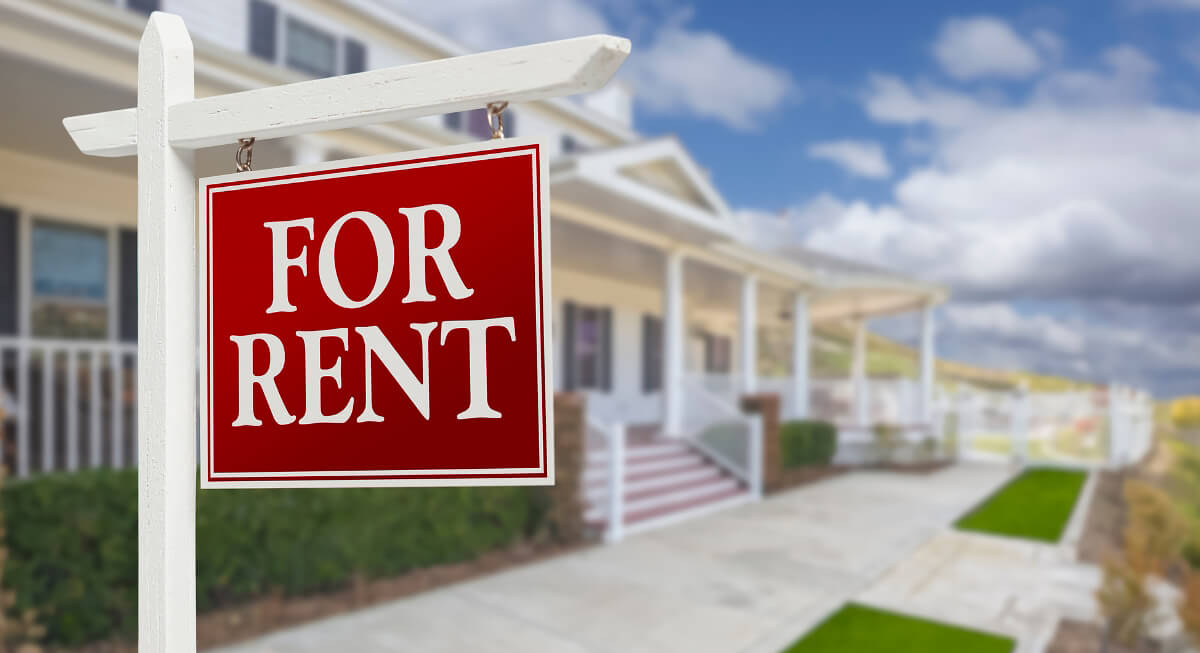
Average down payments recently hovered around $30,000, according to research cited in several reports. Financial advisers often tell younger buyers to “save aggressively,” which feels almost comedic in cities where rent rises every year. Many millennials and Gen Z workers spend years building savings accounts only to discover housing prices have climbed faster than their ability to save.
Tourist Cities Feel The Pressure First

Credit: Canva
San Juan, Breckenridge, and parts of coastal California have all seen frustration grow around short-term rentals and outside investors. Teachers and emergency workers increasingly commute long distances because living near their jobs costs too much. AOC pointed toward Puerto Rico repeatedly because residents there have dealt with rising prices tied to tourism and tax incentives.
Construction Has Missed The Mark
Credit: pexels
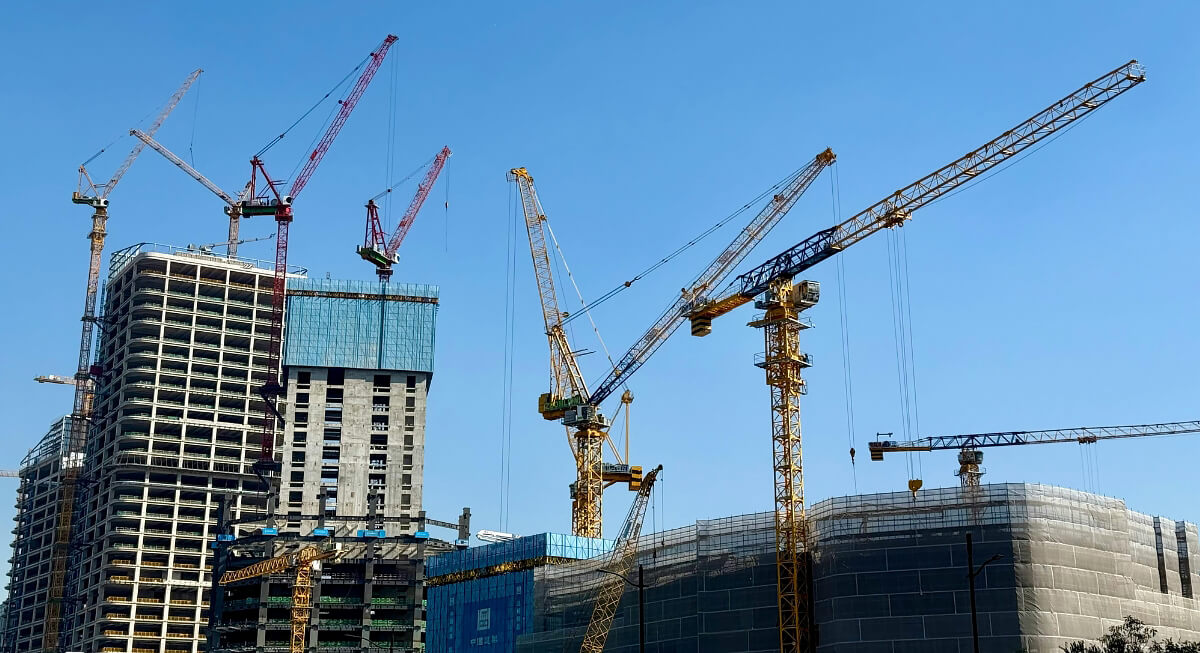
America continues building homes, though many new properties target buyers with higher incomes. Economists say that the mismatch leaves younger buyers chasing limited inventory at lower price points. Builders naturally follow profits, which explains why luxury apartments and larger suburban homes keep appearing. Entry-level homes remain harder to find.
Mortgage Rates Changed The Mood
Credit: pexels
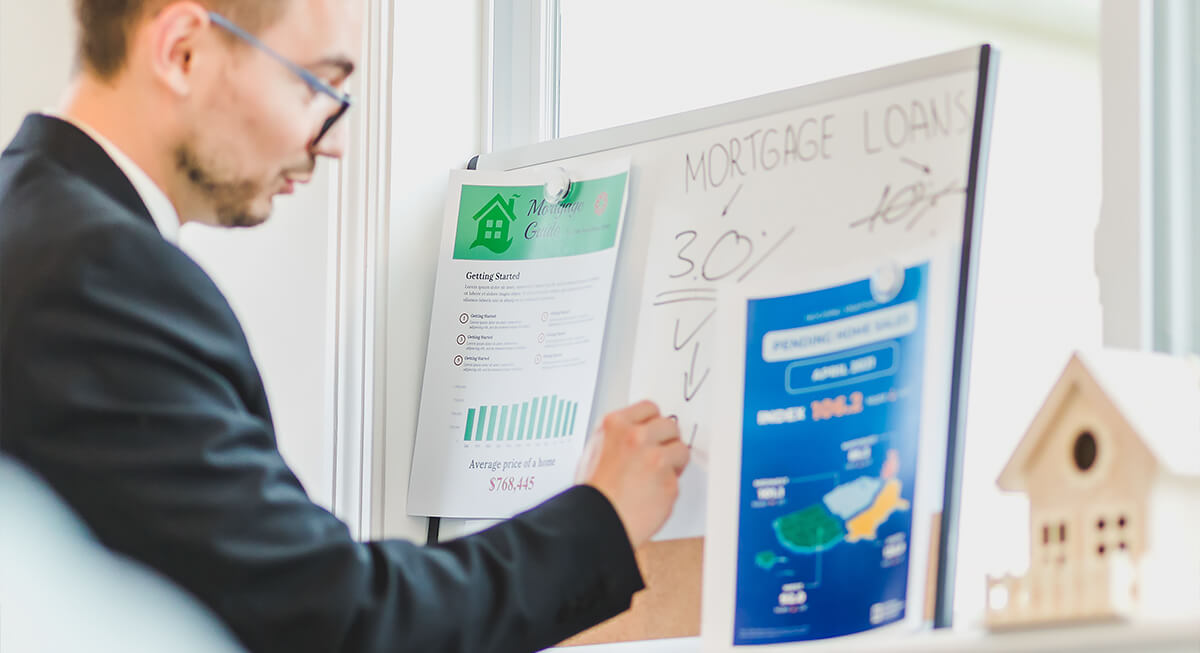
A few years ago, low interest rates encouraged many buyers to jump into the market. The atmosphere looks completely different now. Mortgage payments increased sharply once rates climbed, leaving younger buyers staring at monthly costs that suddenly jumped hundreds of dollars. Existing homeowners also hesitate to sell because many are locked in at lower rates earlier.
Homeownership Now Feels Like A Cultural Divide

Credit: Canva
Younger adults often talk about buying a home the way people talk about luxury travel or vintage sports cars. AOC pointed to that frustration, saying entire generations feel locked out of a system that was more accessible to those before them. Housing now shapes nearly every major life decision, from when to start a family to how people plan careers and retirement.