10 Ways BYD’s European Plant Takeover Could Shake Up the EV Market
BYD is already the world’s largest seller of electric vehicles, yet the company appears far from finished expanding. Reports suggest the company is now exploring the possibility of acquiring underused auto plants across Europe, which signals another major step in the industry’s rapid shift. The move could affect manufacturing, pricing, competition, and even the kinds of vehicles buyers see in showrooms. If the deals move forward, the impact may stretch well beyond BYD itself.
A Faster Route Into European Manufacturing
Credit: Getty Images
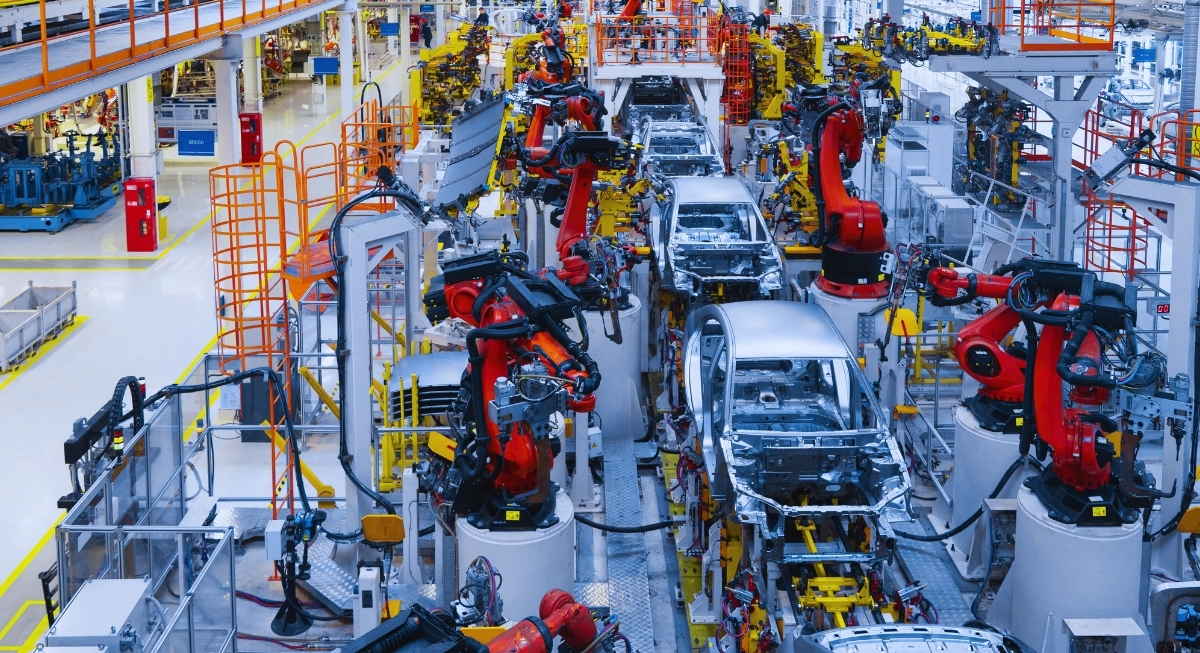
Constructing a factory from the ground up can take years, while buying an already-operating facility can significantly shorten that timeline. Many European plants already have production lines, skilled workers, supplier networks, and transport links in place. BYD could tap into these advantages and begin production much sooner than if it started from an empty site.
Pressure On Established European Brands

Credit: pexels
European automakers have spent decades competing with one another. A large-scale manufacturing push by BYD could introduce a different kind of challenge. The company has expanded rapidly through aggressive product launches and competitive pricing. If BYD begins producing vehicles inside Europe, traditional manufacturers may face added pressure to improve efficiency and plans.
A New Use For Idle Factories
Credit: Getty Images
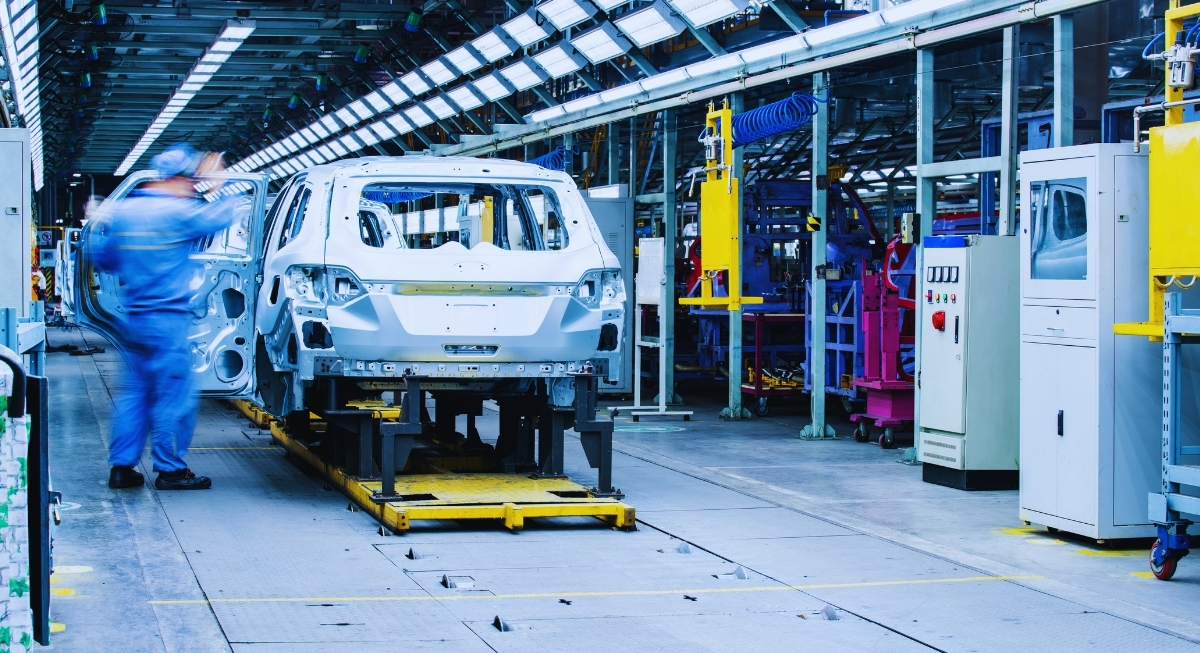
Many European plants operate below their intended capacity. Weak demand in certain segments and the industry’s transition toward electrification have left production lines underused. Instead of sitting partially idle, factories could return to higher output levels. Local economies often welcome that kind of activity because it supports jobs and keeps industrial sites productive.
A Different Approach To Partnerships

Credit: pexels
Company executives have suggested a preference for operating facilities independently rather than through manufacturing joint ventures. That approach gives BYD more direct control over production decisions, scheduling, and long-term planning. It also separates the company from a model commonly used by foreign automakers entering new regions.
More Cars Designed Around European Habits
Credit: Facebook
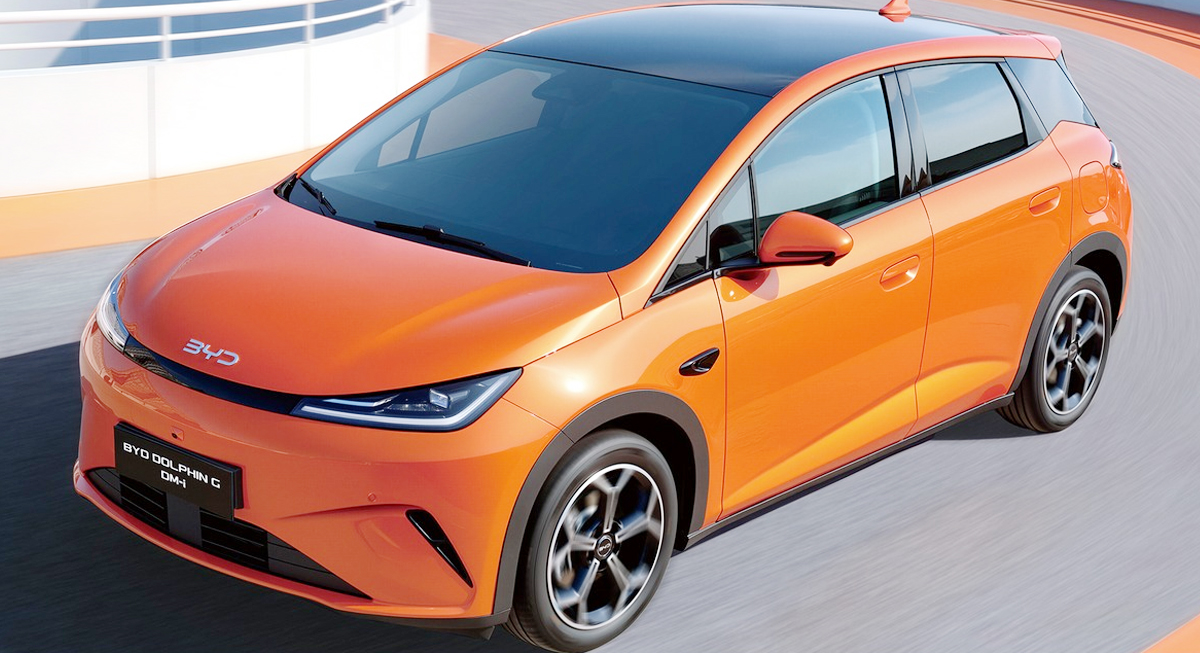
BYD executives have repeatedly highlighted differences between Chinese and European buyers. Vehicle size, cargo space, highway driving, and road conditions influence design priorities. The company’s upcoming Dolphin G already signals that direction, with a model developed specifically for European customers rather than adapted afterward.
The Tariff Equation Could Change

Credit: Getty Images
European authorities have placed tariffs on electric vehicles built in China. Producing vehicles inside Europe changes that equation. Cars assembled locally may avoid many of the costs and restrictions tied to imports. This could strengthen BYD’s position in the region and give it more room to adjust pricing. Where a car is built now matters almost as much as how it is built in today’s automotive market.
Competition Beyond Electric Cars
Credit: Canva
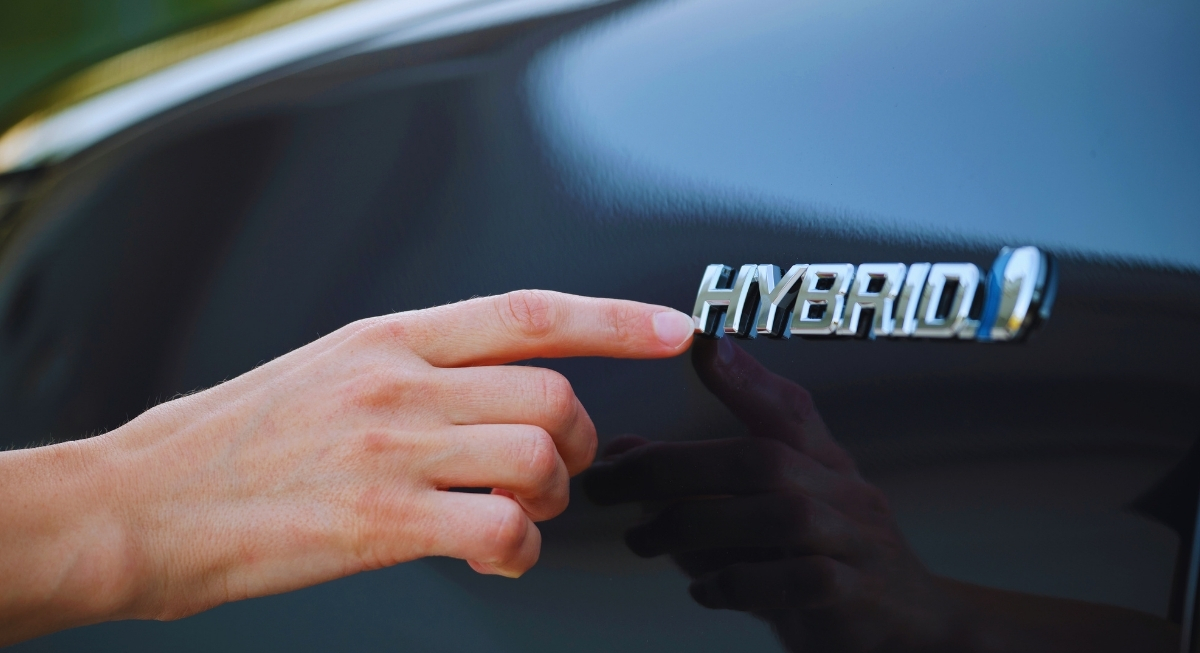
BYD’s European plans extend beyond battery-powered models. The company has also committed to expanding its plug-in hybrid lineup. Producing those vehicles closer to customers could increase availability across multiple segments. Buyers who are not ready for a fully electric vehicle may find more alternatives entering the market.
Luxury Brands Could Enter The Conversation
Credit: pexels
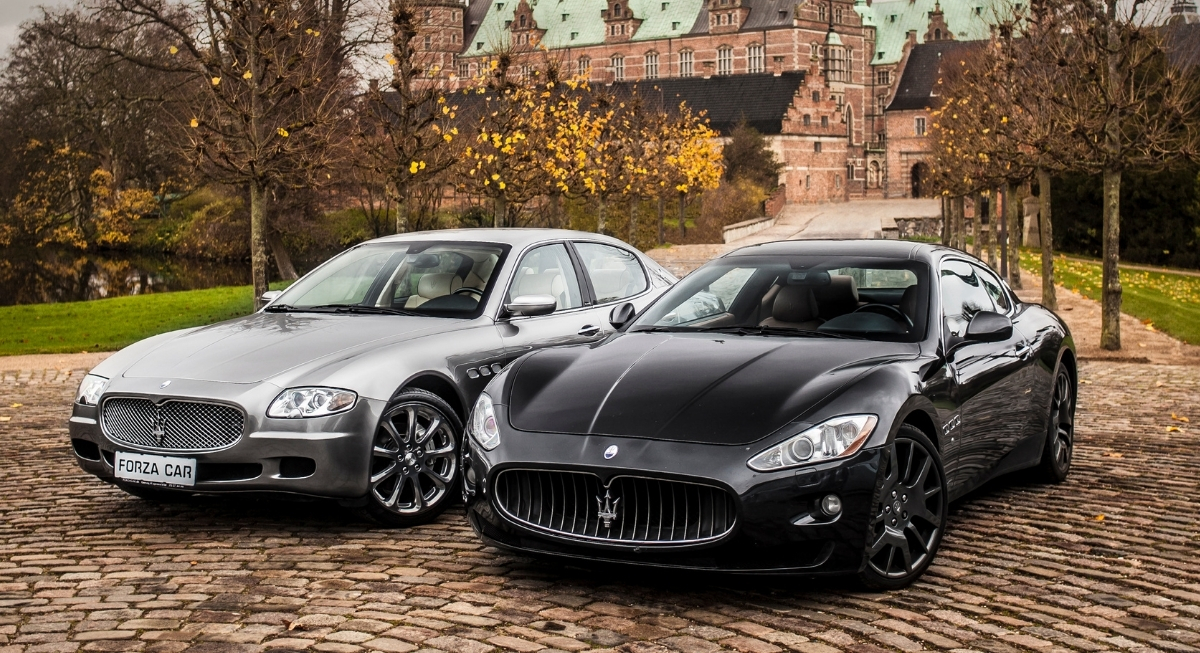
Reports have suggested BYD finds brands such as Maserati interesting. That possibility has sparked discussion across the automotive sector. Acquiring production facilities is one thing. Acquiring an established luxury name would create a much different story. A move of that scale could reshape perceptions of Chinese automakers and potentially open new opportunities in premium segments.
Suppliers May See New Opportunities
Credit: Canva
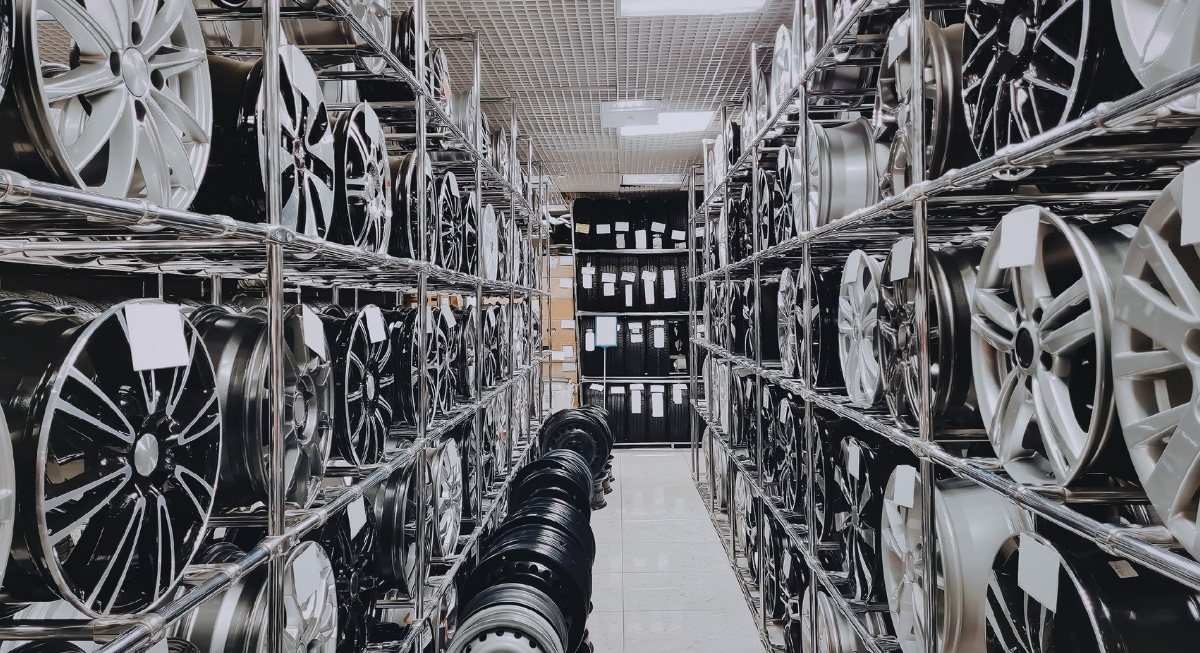
Large automakers influence far more than vehicle assembly. Thousands of suppliers provide components, materials, software, and logistics support. If BYD expands manufacturing across Europe, many businesses connected to the automotive supply chain could gain new customers. New contracts often lead to investment decisions and production adjustments.
The EV Race Could Accelerate Again
Credit: iStockphoto
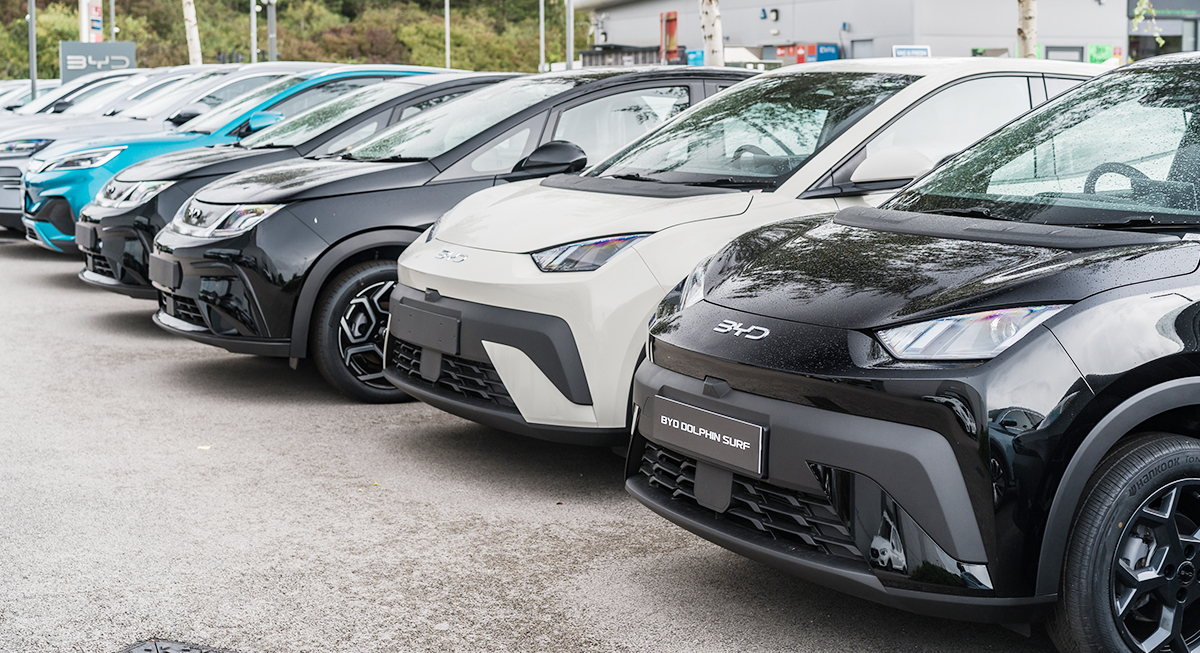
For years, the discussion centered on battery technology and vehicle range. BYD’s plant strategy highlights another battleground: manufacturing capacity. Companies that secure production space can respond faster to demand and launch vehicles more efficiently. Rival automakers may look more aggressively at their own expansion plans and add another burst of momentum to an already competitive EV market.