Here’s Why the Buy Now Pay Later Trap Is Actually Draining Future Wealth
Buy Now, Pay Later started as an easy way to split the cost of things like sneakers or last-minute tech purchases. Now it’s everywhere, including grocery stores and pharmacies. That says a lot about how people are dealing with rising everyday costs. Smaller payments feel manageable in the moment, which is why the option is so tempting. The issue arises later, when multiple payments pile up and slowly drain savings, investment, and long-term financial stability.
Small Payments Hide The Real Price
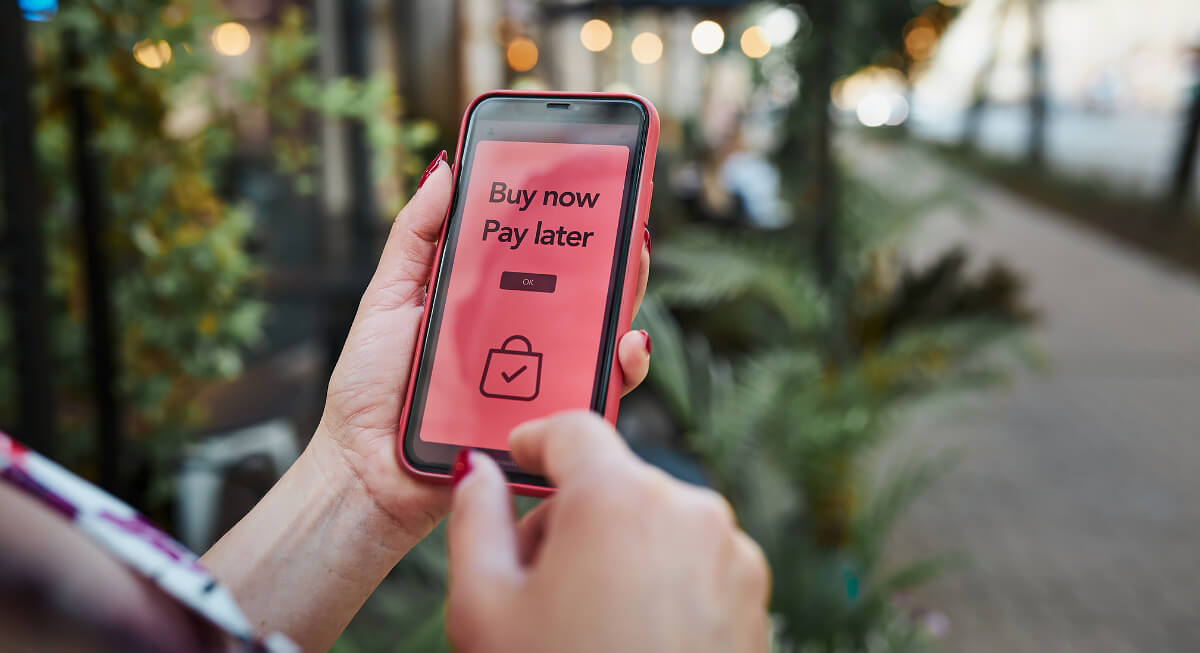
Credit: Przemek Klos
A $200 purchase feels different when the screen says “four payments of $50.” Researchers studying consumer behavior call this the numerosity effect. People react more comfortably to smaller figures even when the total cost remains the same. That mental shortcut pushes shoppers toward bigger purchases and faster decisions. Retailers know it works.
Savings Usually Gets Pushed Aside
Credit: Canva
A surprising number of younger adults now prioritize debt payments before building emergency savings. Financial planners keep pointing out the same issue: early savings years matter most because compound growth needs time. Missing a few years in your twenties can leave a bigger dent than many people expect.
Grocery Bills Are Entering The Equation
Credit: Canva
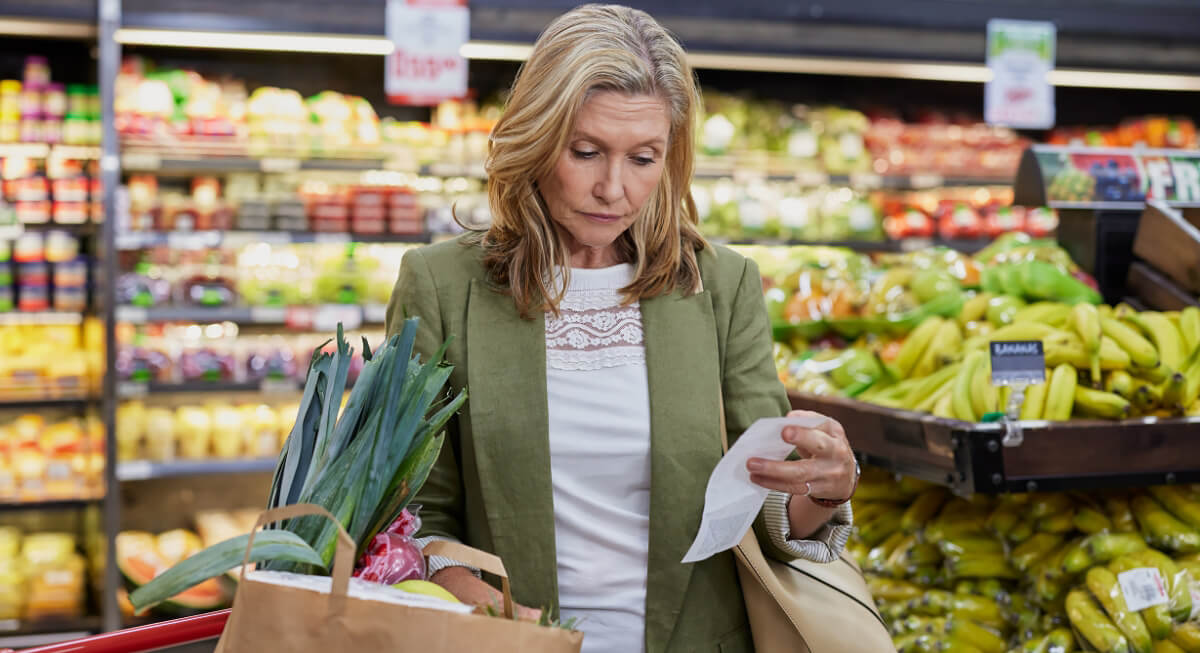
Splitting payments for a couch feels different than splitting payments for eggs and paper towels. Recent surveys found a growing share of Gen Z consumers using BNPL for gas and household basics. That trend changes the conversation entirely. Installment financing used to revolve around occasional big-ticket items. Now it’s helping cover routine living costs.
Multiple Loans Become Hard To Track
Credit: Getty Images
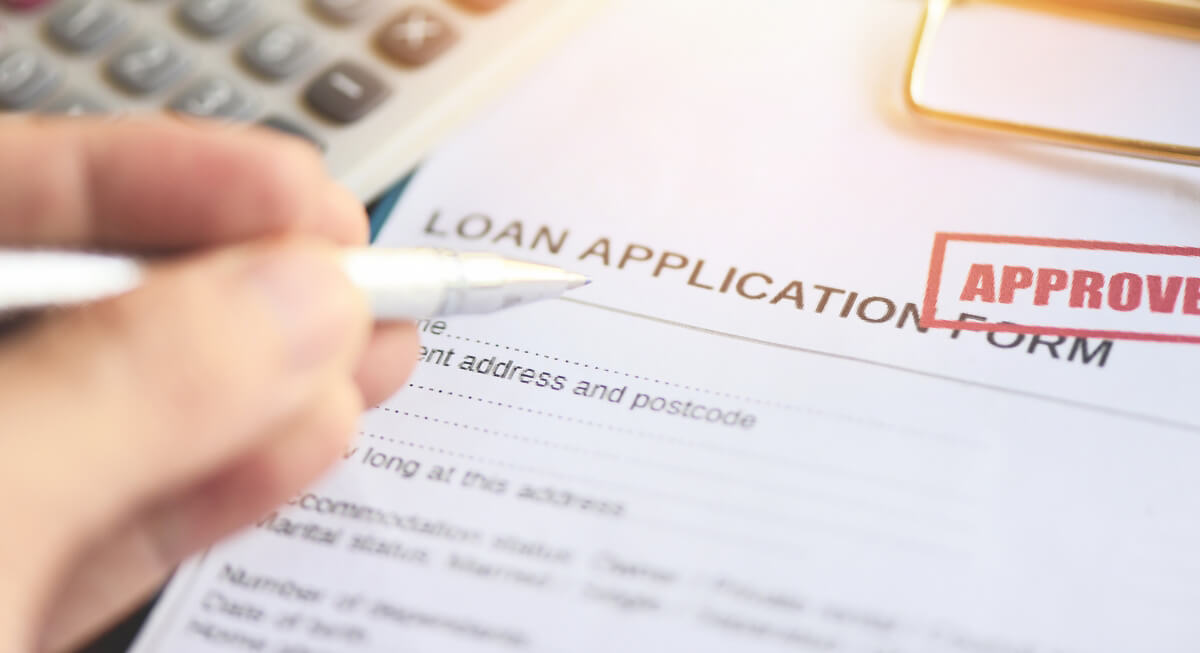
One installment plan may seem harmless, but trouble starts when purchases overlap across apps and retailers. A streaming subscription, a clothing order, concert tickets, and holiday shopping can all create separate payment schedules running simultaneously. Many users underestimate how quickly those due dates pile up.
Future Goals Start Getting Delayed
Credit: Canva
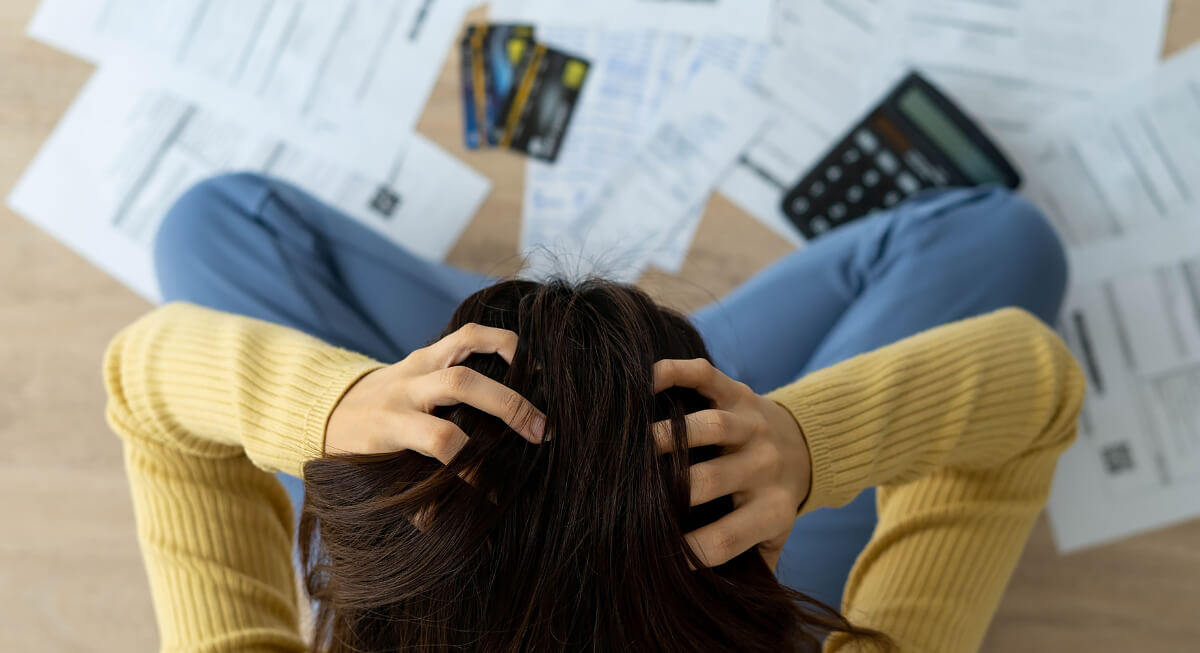
Debt changes how people think about risk and planning. Homeownership and starting families became harder to picture clearly. People carrying ongoing payment pressure often stay financially defensive. That mindset can keep someone locked into short-term survival decisions rather than pursuing longer-term opportunities.
BNPL Encourages Emotional Spending
Credit: Getty Images
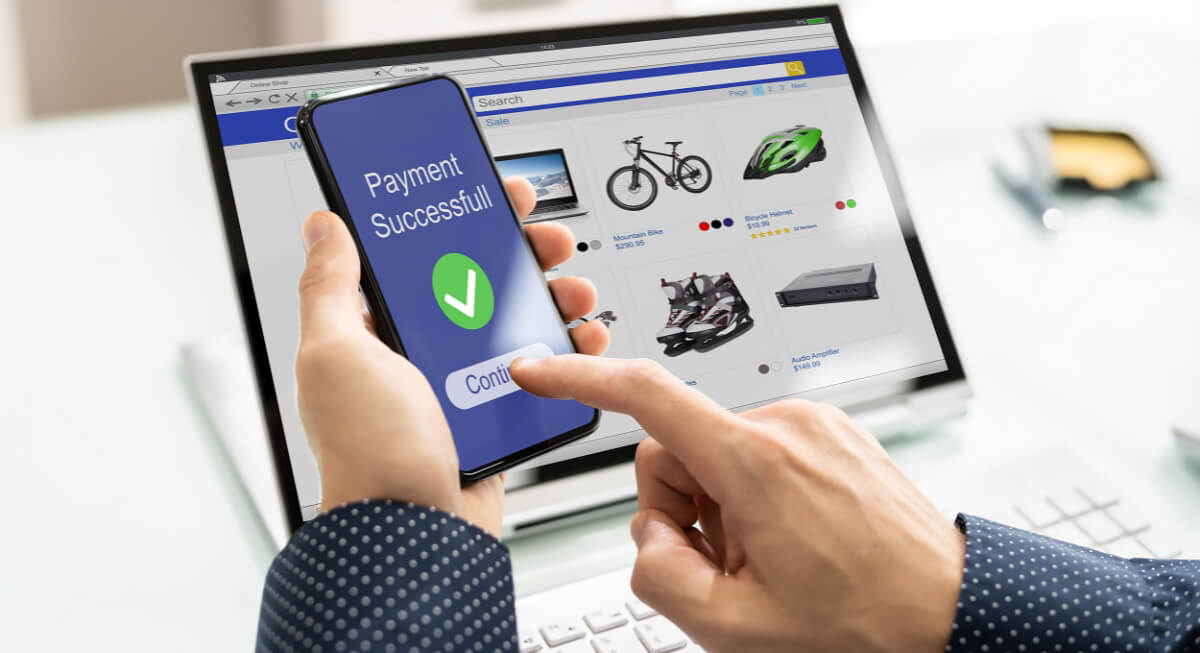
Psychologists studying digital spending habits found online purchases often happen during stress or boredom. BNPL makes emotional buying easier because the immediate financial impact appears smaller. The convenience keeps customers moving through checkout quickly. That speed leaves less time for second thoughts.
Rising Costs Make The Trap Harder To Avoid
Credit: pexels
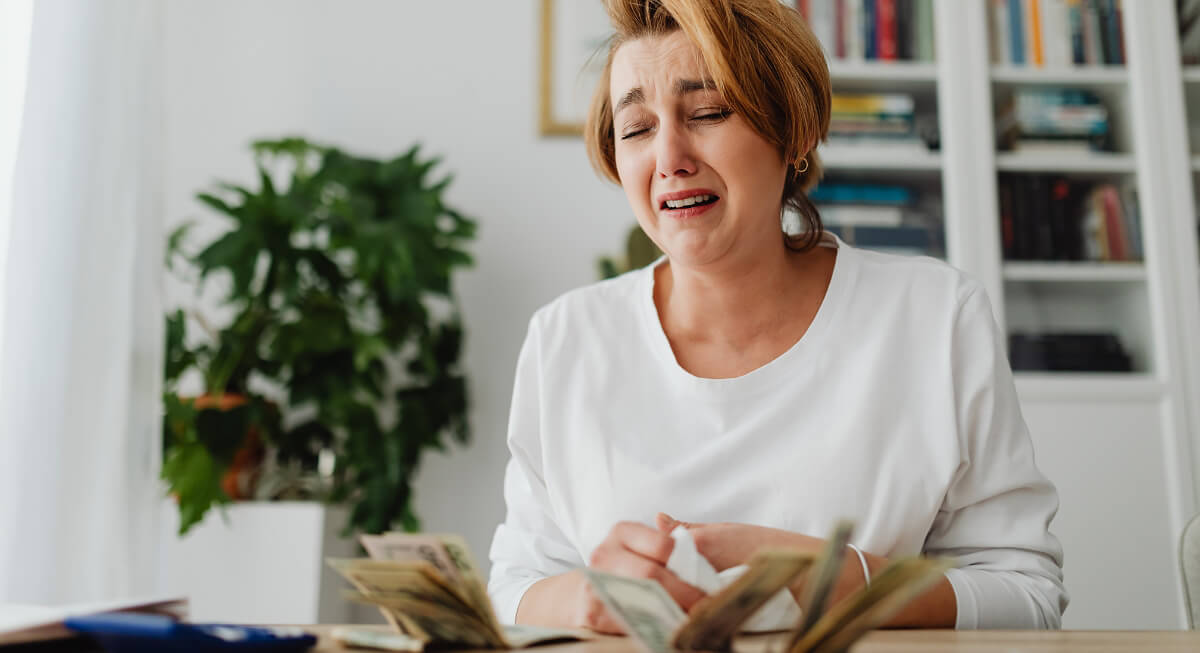
Inflation plays a major role in BNPL growth. Household budgets already stretched by rent and insurance leave less room for surprise expenses. Many consumers use installment plans as a short-term pressure release valve. The challenge is that future income keeps getting assigned to past purchases. Financial stress tends to grow this way quietly.
Lifestyle Upgrade Becomes Easier To Ignore
Credit: Getty Images
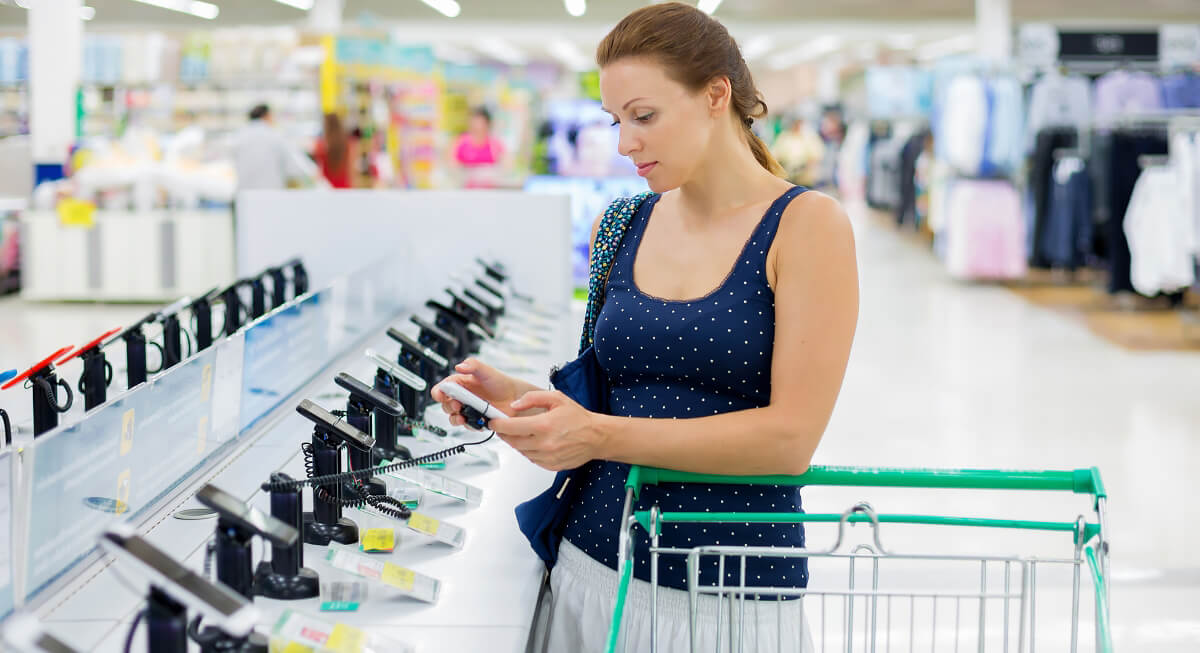
People naturally upgrade spending habits as income rises. The danger appears when purchases grow faster than earnings. BNPL can mask that shift because higher-priced items still appear affordable in smaller installments. A person earning slightly more money may suddenly finance pricier electronics, vacations, or furniture without noticing how much monthly flexibility has disappeared.
Holiday Shopping Turns Into A Long-Term Bill

Credit: Getty Images
The holiday season has become a huge business period for BNPL companies. Many people use installment plans to stretch gift budgets during already expensive months filled with travel, parties, and extra spending. The pressure to be generous also makes overspending easier because purchases feel connected to celebration and family. Then January shows up fast, while the payment plans and regular bills are still there waiting.
Social Media Keeps Fueling The Cycle

Credit: pexels
TikTok and Instagram constantly push viral products through direct shopping links and flexible payment options that make purchases feel quick and easy. Trends also move so fast that many people feel pressure to buy immediately before items sell out or disappear from everyone’s feed.