Top 10 Places to Buy a Home in the U.S. Right Now
Choosing a place to buy a home becomes much easier when you understand which cities show meaningful growth, stable demand, and steady job creation. Many markets look appealing on the surface, but only a few combine rising values with strong local economies.
At the end of the day, what you need is a place that shows clear signals based on current data, including expanding workforces, active rental markets, and consistent population increases.
Atlanta, Georgia

Credit: Wikimedia Commons
Analysts expect Atlanta’s workforce to grow by over a million people by 2050, and that projection complements the city’s long-term appeal. Property rates remain lower than many major metros, yet rental rates climbed more than 23% in just one year. That creates opportunities for both buyers and investors who want a city with room to expand.
Tampa, Florida

Credit: Wikimedia Commons
One of the reasons why Tampa draws attention is the projected 24% rise in property values over just one year. Limited space for expansion keeps inventory low and turnover fast. That tight supply supports long-term appreciation. The city also attracts a broad range of residents, which includes retirees and younger residents.
Jacksonville, Florida
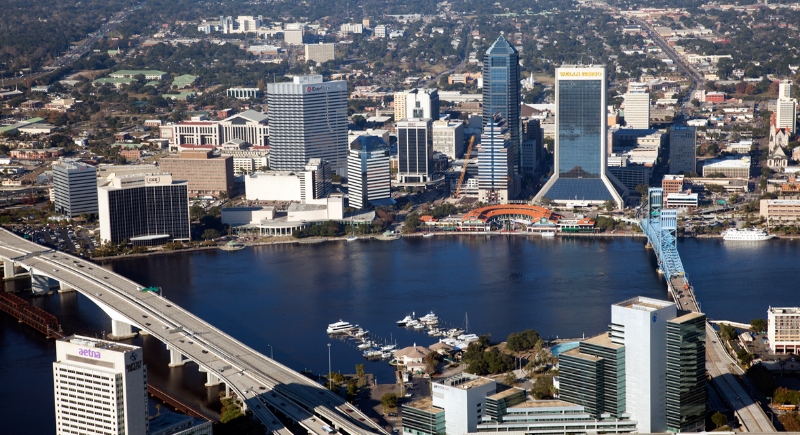
Credit: Wikimedia Commons
Jacksonville is defined by its active port, which supports more than 130,000 jobs and keeps the regional job market steady. That economic base helps the housing market remain relatively stable. Prices have been rising faster than the national average, but they’re still within reach for many residents.
Austin, Texas

Credit: Wikimedia Commons
Several large companies have expanded into Austin in recent years, drawn by tax incentives and a growing talent pool. Tesla, Apple, and Samsung now operate major facilities in the area and help bring thousands of high-paying jobs. Since 2010, the city’s population has grown by more than 30%, and home values have increased by about 90%.
Raleigh, North Carolina
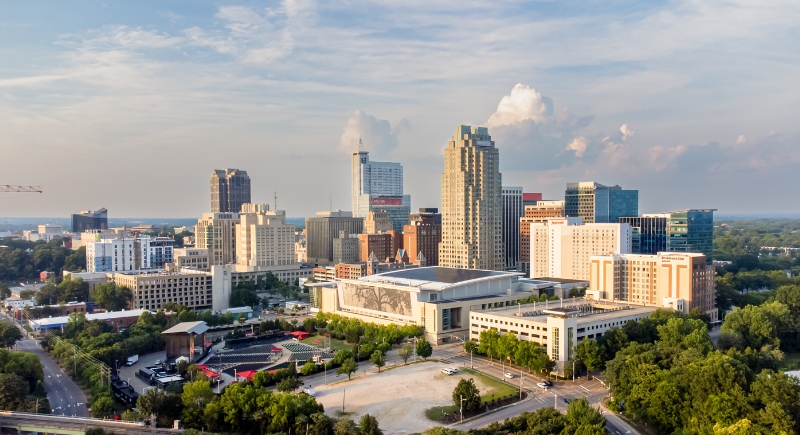
Credit: Wikimedia Commons
If you are looking for a housing market with stability and steady growth, Raleigh is worth serious consideration. Jobs in education, research, and technology drive demand, and the city’s universities help keep rental activity consistent. Home prices increase at a steady pace, which helps avoid dramatic spikes.
Charlotte, North Carolina
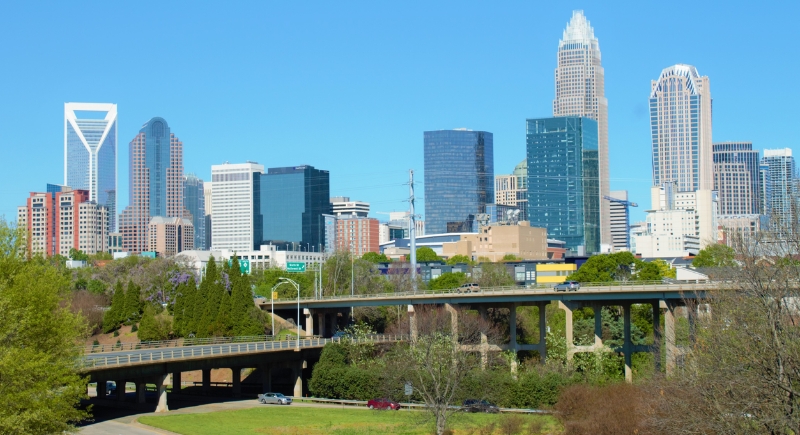
Credit: Wikimedia Commons
In just one year, Charlotte added more than 75,000 jobs, with growth spread across finance, real estate, and logistics. That level of expansion shapes the region’s housing activity and encourages developers to keep building. Rentals also remain in high demand, with three-bedroom units averaging around $1,900.
Dallas, Texas

Credit: Wikimedia Commons
Dallas sits in one of the fastest-growing metro areas in the country, drawing steady interest from new residents and investors. The region now ranks fourth in national population. Home prices rose more than 30% in a single year, and the job market continues to grow at a rate above 5%. Major industries such as healthcare, petroleum, finance, and manufacturing keep the economy broad and resilient.
San Antonio, Texas
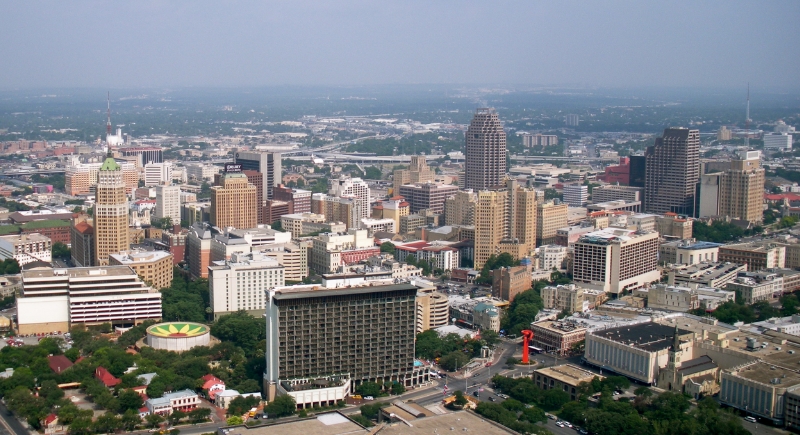
Credit: Wikimedia Commons
After Austin’s rapid expansion pushed prices higher, many began looking toward San Antonio for more affordable options. That movement created a sudden increase in demand and tightened the local housing supply. Meanwhile, major employers in the area help maintain job stability. These conditions make San Antonio an attractive choice for individuals seeking long-term opportunities and manageable costs.
Denver, Colorado

Credit: Wikimedia Commons
Buyers are drawn to Denver because it consistently attracts a wide mix of residents, such as families, students, and retirees, all of whom contribute to housing demand. Median home values went up nearly 20% in one year, and rents followed with a 15% increase. Analysts expect values to keep rising, but at a steadier pace.
Houston, Texas

Credit: Wikimedia Commons
Houston expects to add more than a million people in the coming years. Home prices rose around 7% last year, yet living costs remain lower than in most large U.S. cities. The local economy relies on energy, healthcare, aerospace, and transportation, which support job growth. Investors see the steady population increase and broad industry base as signs of market strength.