Massive Business Fortunes Built on Completely Ridiculous Ideas
Most people assume successful businesses start with serious plans and carefully researched ideas. In reality, some fortunes began with concepts that sounded completely ridiculous at first. People have made real money selling pet rocks, mailing boxes of garbage, and turning pranks into products. These strange success stories show that with the right timing and marketing, even the most absurd idea can turn into a thriving business.
The Pet Rock
Credit: ebay
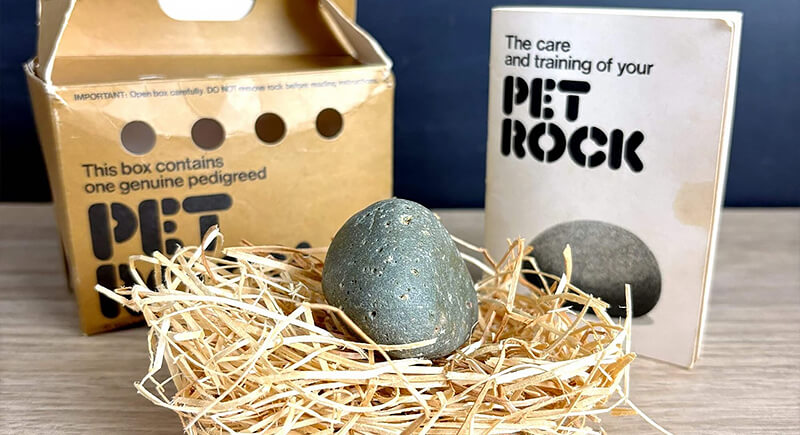
Gary Dahl sat in a bar listening to friends complain about the maintenance costs of their pets. He decided to market a rock as the alternative that required no feeding or walking. Each stone sat in a cardboard crate with breathing holes and a training manual. This 1970s fad lasted only six months but turned Dahl into a multi-millionaire almost overnight. He sold over 1.5 million units at $3.95 each.
I Want to Draw a Cat for You
Credit: Youtube
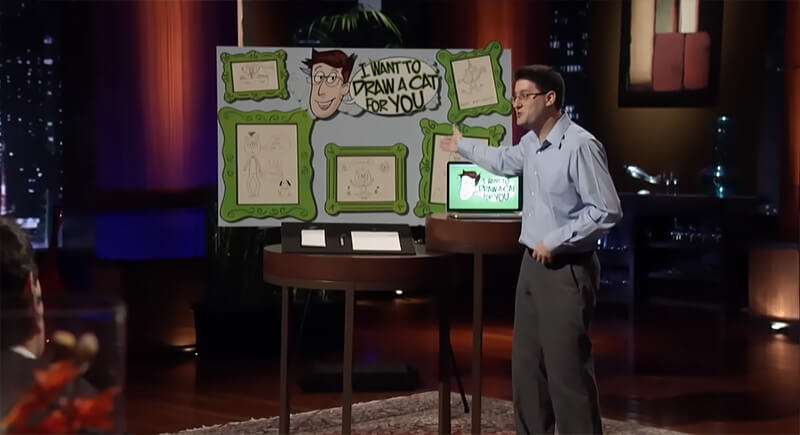
Steve Gadlin appeared on Shark Tank with a simple idea. For a small fee, he would draw a personalized cat picture based on whatever description a customer sent him. Mark Cuban invested 25,000 dollars after recognizing the appeal of a fun, shareable product that could easily spread online. Gadlin went on to draw more than 18,000 cats, including requests like cats playing instruments or floating through space. The project eventually generated over $ 200,000 in revenue.
Ship Your Enemies Glitter

Credit: Getty Images
Mathew Carpenter created a website that offered to mail an anonymous envelope full of fine glitter to people you disliked. The prank went viral immediately, and the website crashed due to the massive influx of traffic. Within four days, Matthew sold the business for $85,000 after receiving thousands of orders. The buyer continued to capitalize on the internet’s love for harmless revenge, proving that minor inconveniences can be big business.
The Million Dollar Homepage
Credit: Wikipedia
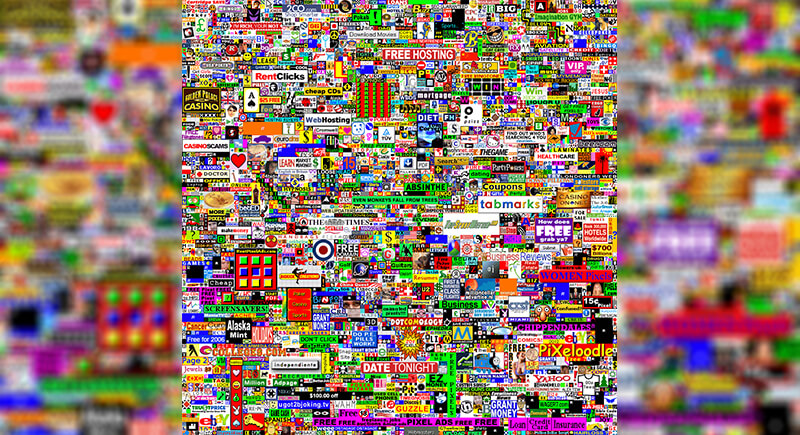
Alex Tew needed money for university, so he launched a website consisting of a single 1000×1000 pixel grid. He sold each pixel to advertisers for $1, who wanted a permanent spot on his page. The concept exploded as a digital time capsule of the 2005 internet era. Businesses scrambled to buy the final remaining blocks of space. By the time the last pixel sold at auction, Tew had earned $1.037 million from his simple grid.
Doggles
Credit: Wikipedia
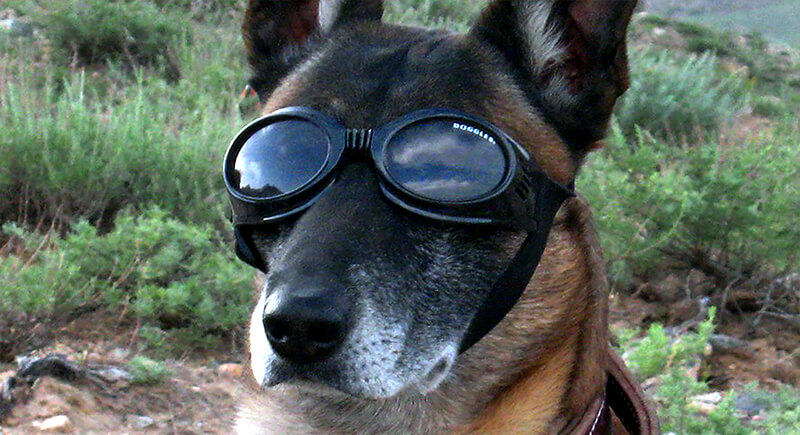
Roni Di Lullo got the idea after noticing her border collie struggling to keep its eyes open in bright sunlight during motorcycle rides. Instead of ignoring the problem, she designed a pair of goggles shaped to fit a dog’s face comfortably. What began as a small pet product soon found a wider use. The U.S. military later adopted the goggles for working dogs in desert environments. Today, Doggles are sold in pet stores around the world and generate millions in annual sales.
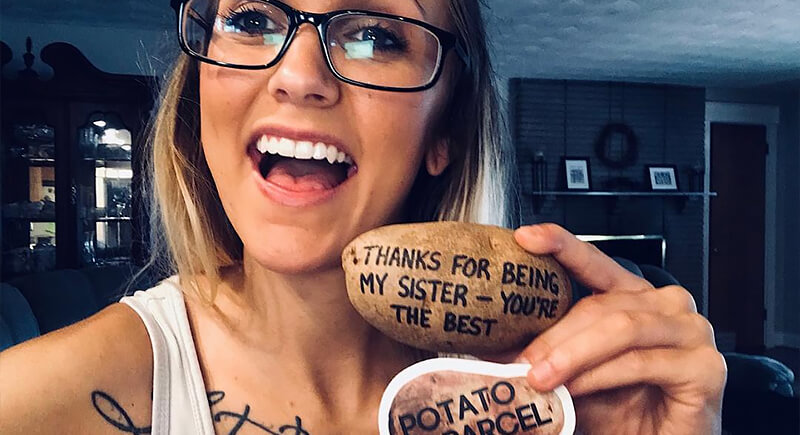
Potato Parcel
Credit: Facebook
Sending a handwritten message on a raw potato might seem like a waste of produce, but this startup turned it into a viral sensation. Founders Alex Craig and eventual owner Riad Bekhit utilized social media to showcase the hilarity of receiving a spud in the mail. They appeared on “Shark Tank” and secured a deal with Kevin O’Leary. The company successfully moved thousands of potatoes per month, reaching over $1 million in sales.
Santa Mail
Credit: pexels
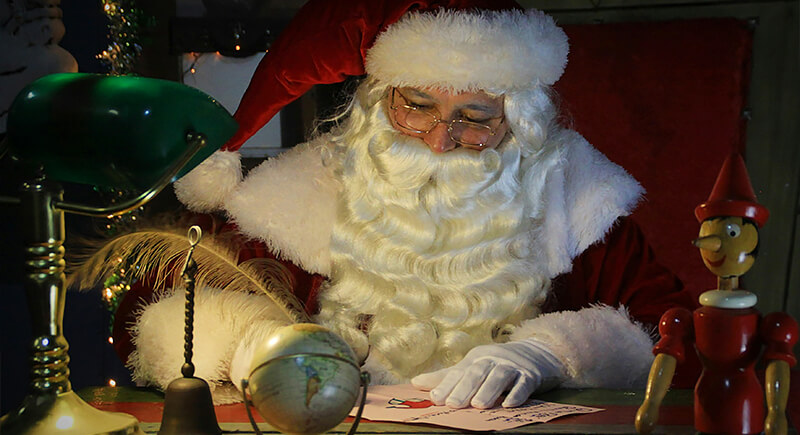
Byron Reese realized that parents wanted a way to make the holidays more magical for their children. So, he set up a business in North Pole, Alaska, to send personalized letters from Santa Claus to kids around the world. For a small fee, families received an “official” letter with a North Pole postmark. Since its launch in 2001, the service has sent over 500K letters, creating a consistent business with millions in revenue.
The Snuggie

Credit: Instagram
When the Snuggie first appeared, many people wondered why anyone would need a blanket with sleeves. The idea turned out to be more useful than expected. Allstar Marketing Group promoted it through memorable infomercials showing people staying warm while reading, watching TV, or using a remote. The playful ads spread widely online. Since 2008, more than 30 million Snuggies have been sold, earning over 500 million dollars worldwide.
Flowbee

Credit: Wikipedia
Terry Hunt invented a vacuum cleaner attachment to cut hair at home without making a mess. Most people thought the device looked ridiculous on television, but it gained a loyal following during the 1980s. The product saw a massive resurgence in 2020 when barbershops temporarily closed their doors. High-profile celebrities such as George Clooney have admitted to using the device, which has sold millions of units.
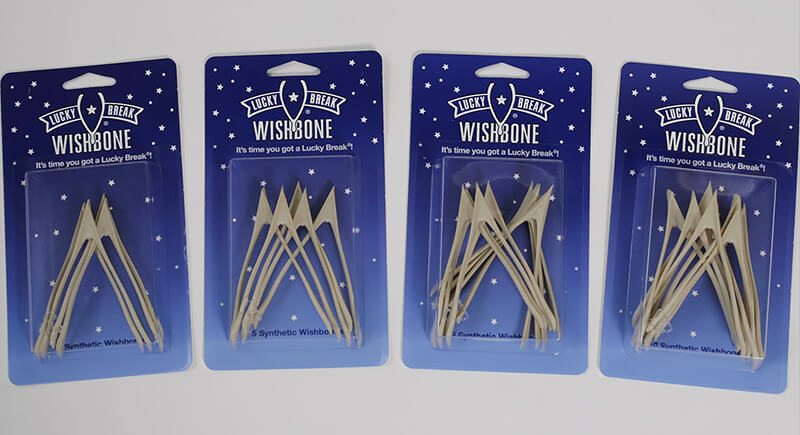
The Lucky Wishbone
Credit: Facebook
Ken Ahroni grew tired of waiting for Thanksgiving dinner just to pull a single turkey wishbone with his family. So, he launched a company to manufacture plastic, snap-able wishbones that sounded and felt like the real thing. While many skeptics doubted people would pay for synthetic poultry parts, the product became a hit for birthday parties and corporate events. The venture eventually reached over $1 million in annual sales thanks to a simple plastic mold.