How to Budget Effectively With a Variable Income
It’s possible to budget with a variable income when spending is predictable, even if paychecks are not. Freelancers, hourly workers, commission earners, and gig workers experience income fluctuations that make traditional monthly budgets unreliable. The fix is a system built around averages, buffers, and conservative assumptions that protect essential bills first and let extra income work harder in good months.
Understand Your Real Income Floor
Credit: Getty Images
Variable-income budgeting starts with accepting an uncomfortable truth: your average month is not what keeps you safe. Your worst month is. Pull the last 12 months of net income and identify the lowest point that still covered necessities. That number becomes your floor. Build everything around it, and slow months stop feeling like financial cliff dives.
Track Essentials as Monthly Averages
Credit: Getty Images
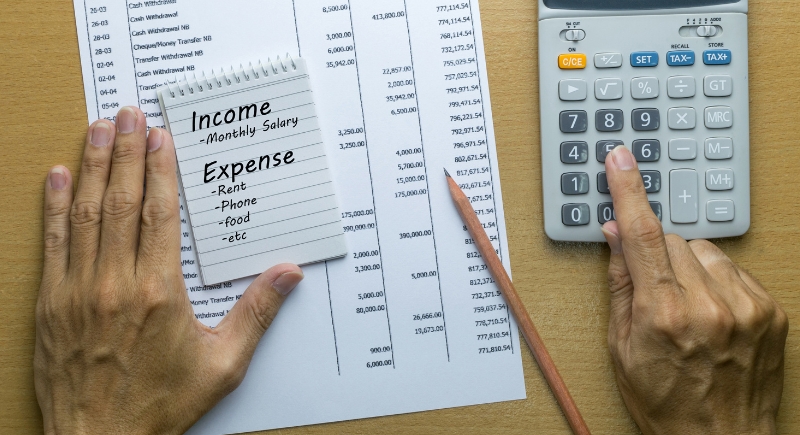
Fixed expenses rarely stay fixed in real life, as utilities spike and groceries creep up. Heck, even transportation costs can surprise you. Instead of guessing, average six to 12 months of spending for essentials like housing, food, healthcare, and minimum debt payments. Many people aim to keep these under 50% of after-tax income to create breathing room when income shrinks unexpectedly.
Pad Bills That Refuse to Behave

Credit: pexels
Some categories never cooperate, no matter how carefully you track them. Groceries, gas, rent, and utilities top the list. Padding each by $25 to $50 above the average absorbs price swings without drama. When you underspend, the extra rolls forward. The small buffer prevents constant micro-adjustments and keeps the budget from breaking over minor surprises.
Pay Yourself Like You’re on a Salary

Credit: pexels
This one change removes paycheck timing from daily decision-making entirely. Irregular income feels chaotic because it lands randomly in your checking account. Fix that by routing all earnings into a holding account and transferring a fixed “paycheck” to yourself on a schedule. That number becomes your spending limit. Anything extra stays parked for savings or debt.
Treat Discretionary Spending as Adjustable

Credit: Getty Images
Dining out, streaming services, gym memberships, clothing, and entertainment are not fixed expenses, no matter how they feel. Look at what you spent over the past year and divide by 12 for realistic targets. Keeping discretionary spending under about 30% of after-tax income gives you flexibility. These are the first levers to pull when income tightens.
Build a Reserve for Income Swings
Credit: Getty Images
A reserve fund smooths the gap between uneven income and steady bills. High-earning months push the balance up; slow months pull it down. Money market accounts work well because transfers are easy and interest rates are often higher than those for basic savings. Watching this balance tells you, in real time, how much margin you actually have.
Keep Emergency Savings Off-Limits
Credit: Getty Images
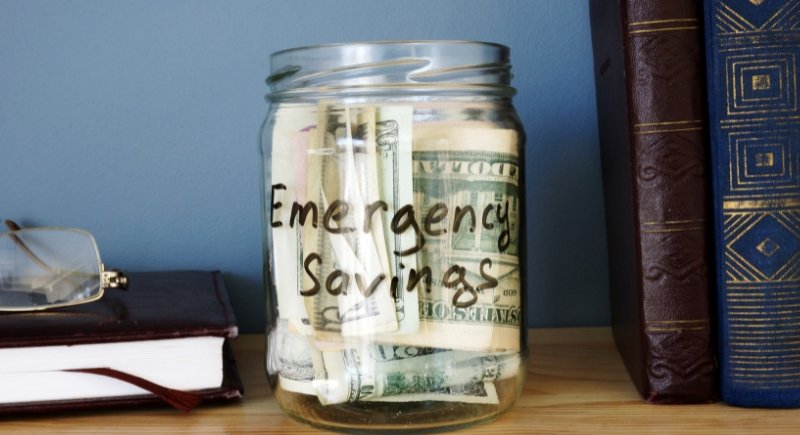
Emergency funds are not backup checking accounts. Start with $1,000 to cover common shocks like car repairs or urgent medical costs. Long-term goals usually last between three and six months of expenses. Store this money in a high-yield savings account and keep it separate. Distance reduces temptation and preserves the funds for real emergencies.
Live on Last Month’s Income
Credit: Getty Images
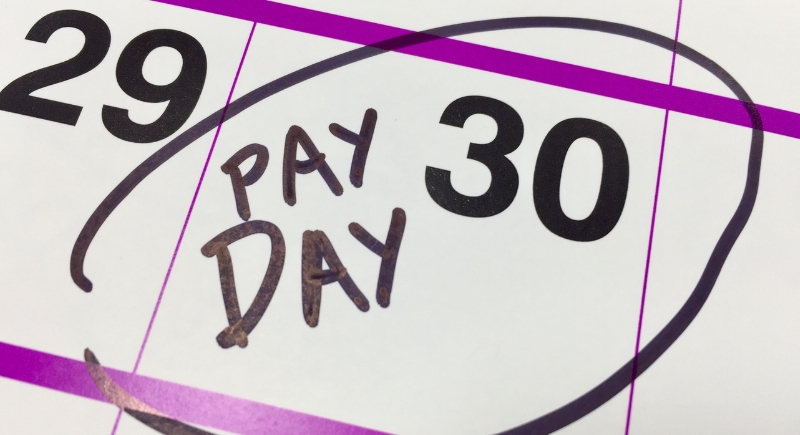
Paying this month’s bills with last month’s income changes everything, as it eliminates paycheck timing anxiety and creates consistent cash flow. Building the buffer takes patience and surplus cash, but once established, income earned today funds next month’s expenses. The separation turns irregular pay into something stable and predictable, even when earnings bounce around.
Use Sinking Funds for Predictable Surprises

Credit: Canva
There are expenses that feel random only because they’re ignored until they arrive. Travel, gifts, clothing, and large purchases are better suited to sinking funds. Estimate the annual cost, divide by 12, and move that amount monthly into a separate account. When the bill shows up, it’s boring. Then again, boring is exactly what you want.
Reduce Volatility Wherever You Can
Credit: Getty Images
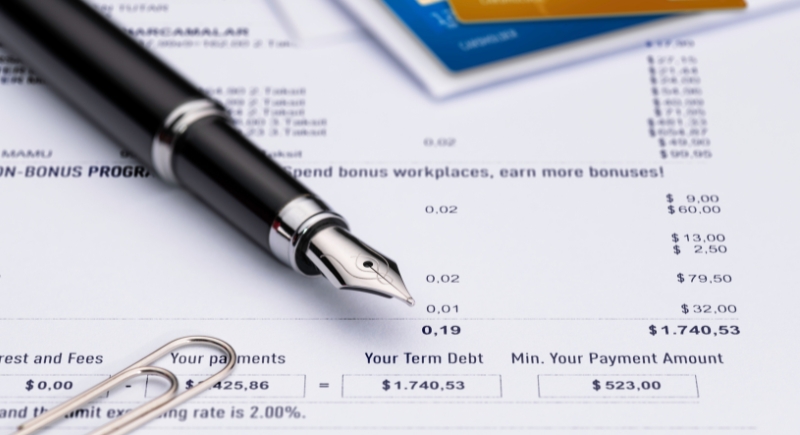
You can’t control income swings, but you can flatten expenses. Level billing for utilities, fixed subscription pricing, and consistent debt payments all help. Paying more than the minimum on credit cards prevents shrinking balances from reintroducing variability. Every stabilized bill offsets income unpredictability and makes the entire system easier to manage in the long term.
Accept That Flexibility Is the Point
Credit: Canva
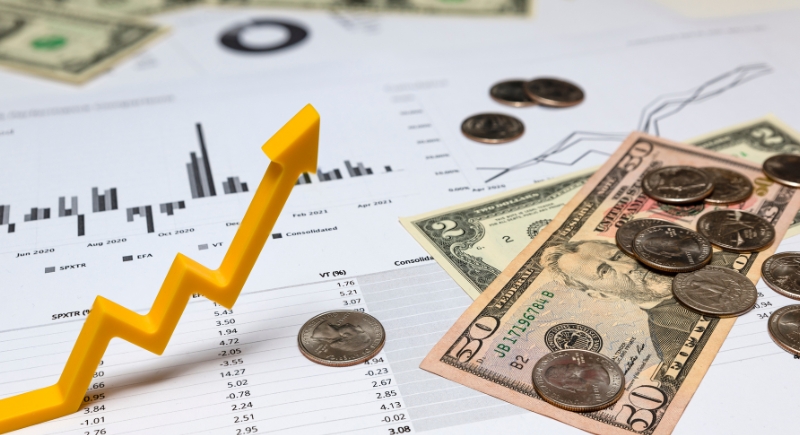
A variable-income budget is about building a system that bends without breaking. Averages and buffers, even conservative assumptions, do the heavy lifting. When income jumps, progress accelerates. When it dips, essentials stay covered. That resilience is what makes the system actually work.