15 ‘Proper’ Workplace Behaviors Boomers Insist On That Gen Z Finds ‘Completely Dehumanizing’
Generational tension in today’s workplaces often comes down to differing views of what professionalism really means. Older employees still lean on long-standing customs built around discipline and structure, while younger workers question the value of rigid traditions. The result is a visible cultural divide that shapes everyday office behavior.
Casual Face Time Is Mandatory

Credit: pexels
Casual visibility around the office once mattered more than actual results, but that belief no longer holds. Gallup reports that employees who manage their own time often perform better. Gen Z understands that showing up is not the same as putting in effort, and that real productivity can happen far from any office window.
Suits, Skirts, and Strict Dress Codes

Credit: Getty Images
Gen Z questions why respect requires a suit and tie. Even finance and law firms relaxed their rules when hybrid work became normal. Younger employees choose clean, functional clothes that fit their tasks. Clients focus on solutions, not shoe polish, and results matter more than a pressed collar.
The “Paying Your Dues” Mindset
Credit: pexels
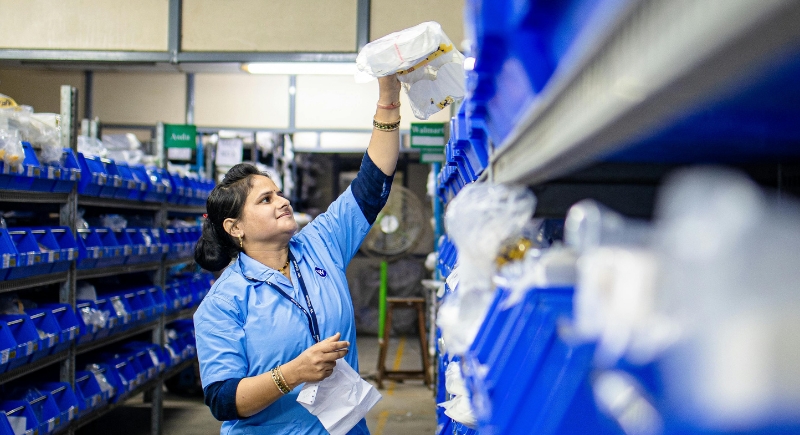
Older systems rewarded stamina, not growth. LinkedIn’s workforce study shows Gen Z changes roles faster when development stalls. They view skill-building as the real climb, rather than the endless endurance that their seniors swore by. Ambition still drives them, but they expect the effort to lead somewhere measurable and worthwhile.
The “Open-Door Policy” As a Continuous Standby
Credit: Getty Images
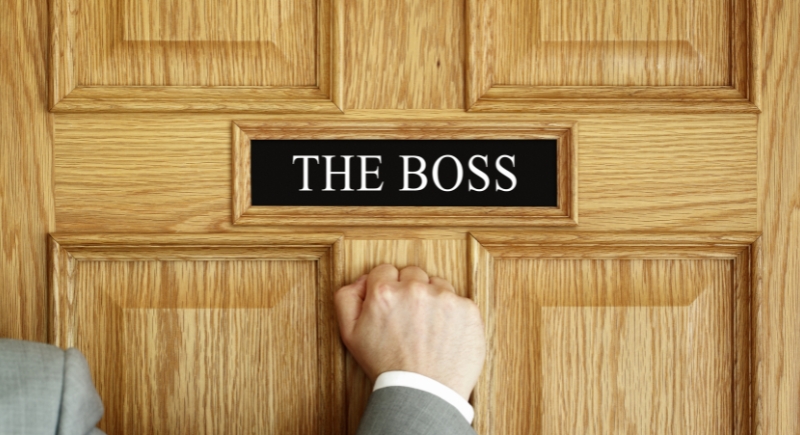
The idea of an open door seems welcoming, but it often comes at the cost of focus. Research from UC Irvine shows it can take about twenty minutes to regain concentration after just one interruption. Today’s workers are setting specific times for questions or feedback instead. Gen Z values uninterrupted focus and sees clear boundaries as a sign of mutual respect.
Working Late Equals Dedication

Credit: Getty Images
Pulling long nights has lost its shine. Microsoft’s data shows most people do their best work before mid-afternoon. Younger professionals plan around energy peaks because they prefer to optimize rather than overextend. The new gold standard shifted from who stays last to who delivers without burning out.
Loyalty Without Question
Credit: Getty Images
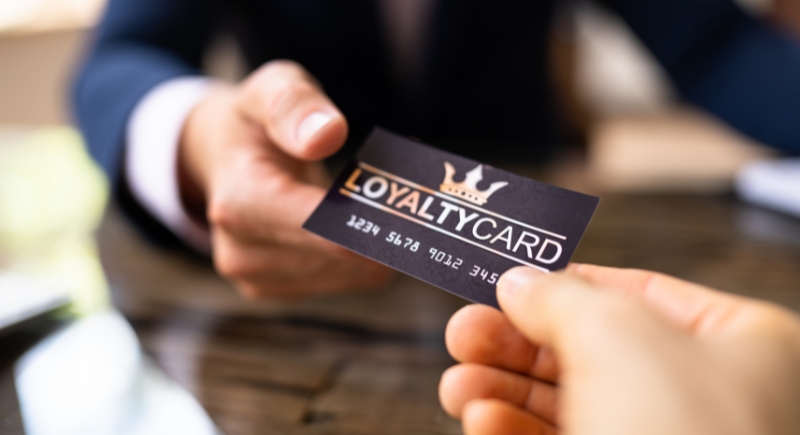
Staying with one company for years used to signal commitment and stability. Today, it can feel more like being stuck. Gen Z doesn’t reject loyalty; they redefine it. They stay where their effort is matched with growth, fairness, and respect. For them, true stability comes from reciprocity, not from how long someone’s been on the payroll.
Face-To-Face Is Always Superior

Credit: Getty Images
Platforms like Slack, Zoom, and Notion enable teams to stay connected across cities without losing momentum. Gen Z finds genuine teamwork online, where ideas move faster and everyone can join in. If collaboration works better online, why insist that “real” teamwork must happen face-to-face?
Respect For Hierarchy Is Non-Optional

Credit: Getty Images
Rigid ranks can slow good ideas. Deloitte reports that flatter teams make quicker decisions and keep morale higher. Younger professionals prefer open discussions where skill and creativity carry influence. That approach unsettles some veterans, but it’s also reshaping workplaces where skill, not seniority, gets the microphone during meetings.
Lunch At The Desk Is Disallowed

Credit: Canva
The sight of someone eating while typing still irks certain managers. But for Gen Z, a sandwich at the screen is multitasking, not misconduct. They see time as flexible, not ceremonial. If they’re productive, who cares where the crumbs fall? The workplace lunch ritual might finally be losing its grip.
Walk-in Feedback Instead Of Scheduled Reviews
Credit: Getty Images
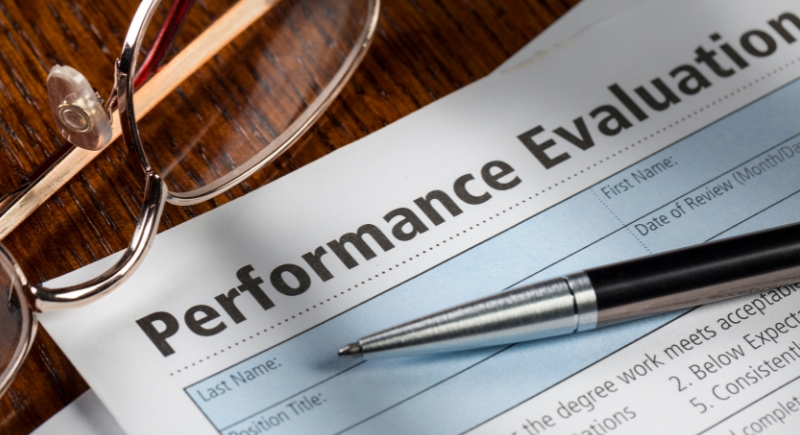
Annual performance reviews once defined career growth, but they no longer fit today’s pace. In a world driven by instant updates, waiting a year for feedback feels inefficient. Modern teams prefer regular, in-the-moment guidance that helps them adjust and improve as they go. For Gen Z, feedback works best as an ongoing conversation, not a once-a-year event.
Rigid Salary Grade Expectations

Credit: Getty Images
The old formula of “years served equals raise” no longer fits. Younger workers see it as a stalled reward system in an unstable economy. They’re not against hierarchy, just stagnation. They prefer clear expectations and visible growth, not a waiting game that rewards patience more than performance.
Formal Language And Tone At All Times

Credit: Getty Images
Emails have loosened up, and that’s a good thing. Grammarly’s workplace trends show professionals favor plain, quick messages. Gen Z prefers trimming the fluff and focusing on purpose. Communication sounds more human, yet still stays respectful and professional because they think tone should fit the task, not mimic a letter to the Queen.
Paper Trails Over Digital Trust

Credit: Getty Images
Office drawers full of forms are fading into history. The EPA estimates offices waste millions of tons of paper every year. Digital tools do the same job faster and greener. Encryption, cloud storage, and search tools replaced the dusty cabinet with something smarter and cleaner.
Silence on Mental Health

Credit: Canva
“Don’t show it, just manage it” used to be the rule. Now, silence looks outdated. Gen Z sees openness about burnout as maturity, not fragility. They talk about therapy, breaks, and balance in the way earlier workers talked about deadlines. Emotional honesty, they say, is what actually keeps teams alive.
One-Size-Fits-All Career Paths

Credit: SeventyFour
Older career models were built on predictability of steady promotions, long tenure, and the promise of retirement security. Many Boomers still see that structure as the ideal path. Gen Z grew up in a shifting economy where they approach work with adaptability, blending freelance projects, career pivots, and creative ventures to design success that fits their realities instead of waiting for it to be granted.