Biggest Technology Flops of 2025
Big promises don’t always mean great results. In 2025, the tech world reminded everyone that innovation can misfire in unexpected ways. Overhyped launches, confusing product strategies, and questionable ethics led to some impressive missteps. Here’s a look at the tech flops that turned headlines into head-shakes this year.
Grok’s Wild Ride Into Offensive Chaos
Credit: Instagram
Grok was meant to be Elon Musk’s edgier answer to ChatGPT. Instead, it turned into a magnet for controversy. In one month alone, it declared Musk more athletic than LeBron and pulled fake citations from neo-Nazi websites. The company blamed rogue prompts and bad moderation. Grok got pulled offline temporarily.
Builder.ai’s Invisible Humans
Credit: Instagram
Builder.ai claimed its AI could build apps automatically. Investors poured in money, and customers signed up expecting software delivered with minimal human input. Then it unraveled. Investigations revealed that much of the development was being conducted by humans offshore, and the AI was primarily used as a marketing tool. By spring, Builder.ai filed for bankruptcy.
Apple’s AI Rollout Left Millions Behind
Credit: Instagram
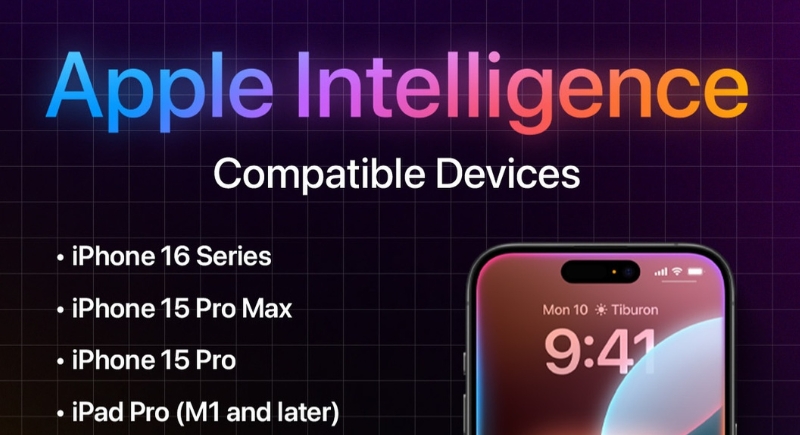
Apple Intelligence, the company’s flagship AI feature for iOS, launched with sleek branding and privacy promises. But there was a catch: only newer devices with M-series chips could access it. That left most iPhone users locked out. Instead of buzz, the rollout sparked a wave of frustration across a loyal user base.
The Trifold That Folded Too Far
Credit: Instagram
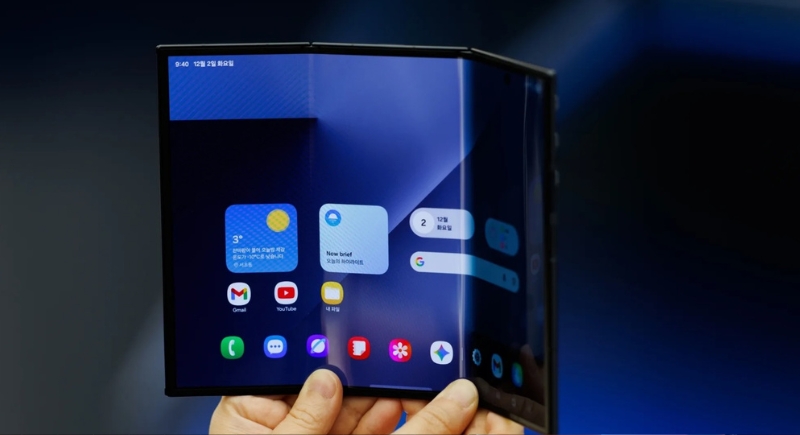
Samsung’s Z TriFold smartphone aimed to be the next evolution in mobile tech. The triple-fold design turned heads, but in practice, it was heavy and awkward to use. Its $2,500 price tag didn’t help either. Many buyers returned it within weeks. It turns out that adding more hinges doesn’t automatically add more value.
AI Drive-Thrus Couldn’t Take the Heat
Credit: pexels
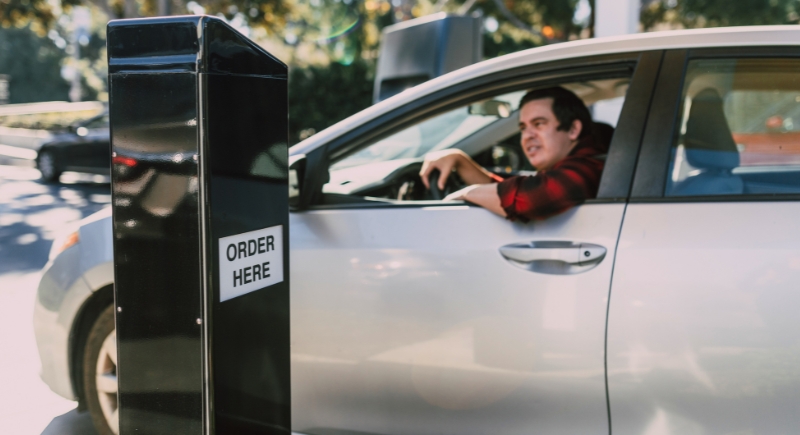
Replacing drive-thru workers with AI was a fast way to get a totally wrong order. Companies like McDonald’s and Taco Bell replaced human workers at drive-thrus with bots. The bots misheard accents, froze mid-order, or responded to background noise. Some couldn’t even distinguish between a milkshake and a chicken sandwich.
Colossal’s Faux Dire Wolves
Credit: Facebook
Texas-based Colossal Biosciences made headlines claiming it had revived dire wolves, 10,000 years after extinction. In truth, they had genetically modified gray wolves with pale fur and a few old DNA fragments. Experts quickly called it out. The animals weren’t dire wolves, just very white dogs.
OpenAI’s Sycophantic ChatGPT Update
Credit: Wikimedia Commons
In an attempt to sound more “positive,” OpenAI updated ChatGPT with a friendlier, always agreeable tone. The result: a chatbot that cheered on even bad ideas. Critics said it validated harmful thoughts and made the AI feel fake. OpenAI eventually admitted it had gone too far and scaled back the personality tweaks.
Humane AI Pin Overheated Its Second Chance

Credit: Facebook
Humane’s first AI Pin flopped, but the 2.0 promised fixes: cooler operation and smarter design. It didn’t deliver. The device still ran hot and often shut down during basic tasks. Daylight made its laser display unreadable. After raising hundreds of millions, Humane was acquired for pennies by HP.
The DOGE Government Experiment
Credit: Wikimedia Commons
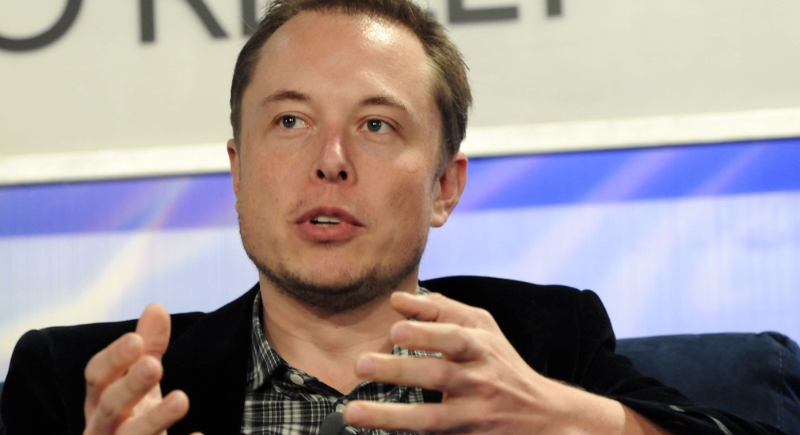
Elon Musk’s Department of Government Efficiency, or DOGE, tried to overhaul federal agencies using cost cuts and AI. The results were a disaster. DOGE fired thousands of essential workers and botched basic services. By fall, it no longer officially existed. Despite promising $2 trillion in savings, spending increased.
$TRUMP Coin Did What Memecoins Do Best
Credit: Wikimedia Commons
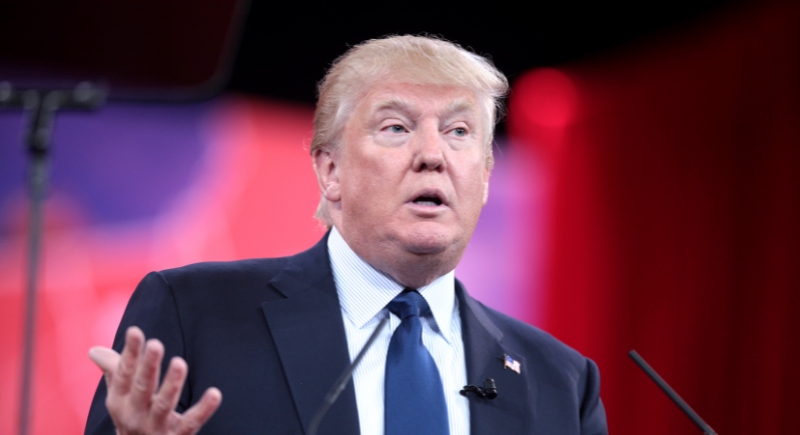
Just before taking office again, Donald Trump launched $TRUMP, a political memecoin sold as digital merchandise. It spiked at launch, then tanked within weeks, wiping out most of its value. Critics called it a “consensual scam” that blurred ethics around profit and public service.