17 Big Layoffs You Should Know About This Year
What do bananas, cloud servers, cartoon mice, and luxury cars have in common? They’ve all been part of 2025’s wave of layoffs. This year, even companies once thought too big to cut are downsizing, and quite drastically.
The reasons mostly involve making room for AI, abandoning old business models, or keeping investors calm. Here are some notable examples worth knowing.
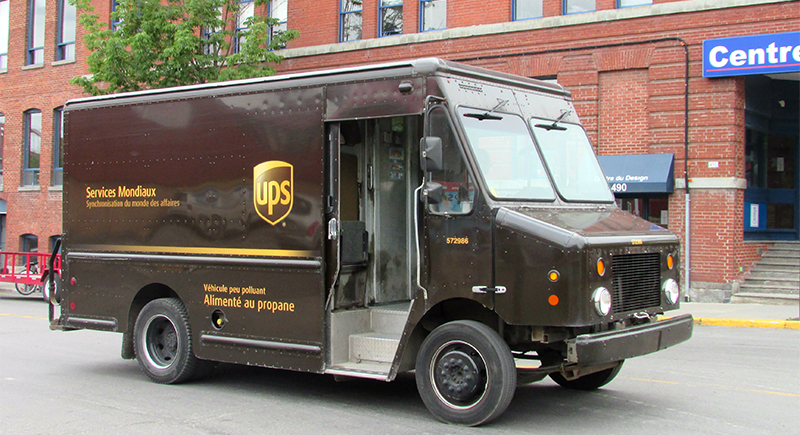
UPS Cuts Jobs Amid Shift Away From Amazon
Credit: Wikimedia Commons
The logistics giant’s 20,000-person downsizing, facility closures, and aggressive push toward automated hubs remain a massive talking point. The Teamsters union continues to push back on what these sweeping changes mean for the long-term future of delivery workforce stability.
Meta Targets Low Performers in Another Round

Credit: Wikimedia Commons
Moving past previous restructurings, Meta implemented a fresh 10% workforce reduction. Zuckerberg’s strategy actively shifts thousands of remaining employees into core AI and “superintelligence” roles, establishing a permanent operational pattern of leaner, engineering-focused teams.
Nissan Announces More Layoffs and Seven Factory Closures

Credit: pixabay
Faced with global sales slumps and intense EV market competition, Nissan’s massive consolidation plan, cutting 11,000 roles and closing seven international plants, remains a major corporate restructuring story as the brand tries to stabilize its financial footprint.
Disney Trims Hundreds of Roles in Marketing and Development

Credit: Wikimedia Commons
Bob Iger’s systemic corporate overhaul continues to quietly reshape the house of mouse. Recent cuts focused heavily on streamlined marketing, corporate operations, and entertainment development divisions to maximize streaming efficiency and protect theater margins.
Johns Hopkins Faces Largest Job Cut in Its History

Credit: Wikimedia Commons
Following a staggering nearly billion-dollar funding cliff due to USAID pullbacks, the university’s historic reduction of over 2,000 positions across its medical and public health divisions stands as a grim benchmark for institutional health sector layoffs.
Microsoft Lays off Employees in Cost-Reduction Effort

Credit: flickr
Even tech heavyweights are recalibrating. Microsoft’s targeted workforce reductions reflect an industry-wide pivot away from traditional cloud services overhead and an aggressive reallocation of resources toward core artificial intelligence development and hardware infrastructure.
Starbucks Cuts Corporate Roles in Business Overhaul

Credit: flickr
Starbucks eliminated 1,100 corporate and administrative positions at its Seattle headquarters to simplify complex management layers. The corporate downsizing intentionally left in-store baristas untouched, focusing purely on streamlining back-end corporate decision-making and operational spreadsheets.
Adidas to Shrink Germany Headquarters Workforce

Credit: flickr
Despite steady sales revenue, Adidas moved forward with an internal restructuring plan to trim its Herzogenaurach headquarters staff by roughly 9%. The focus remains on dismantling corporate complexity and flattening organizational layers rather than standard cost-cutting.
Hudson’s Bay to Close All Stores

Credit: Wikimedia Commons
Canada’s oldest department store chain officially reached the end of its historic retail run. Burdened by insurmountable debt and years of declining foot traffic, the brand wrapped up operations completely, laying off its entire remaining 8,300-person workforce.
Chevron to Cut Jobs During Acquisition Transition
Credit: flickr
As Chevron finalizes its massive integration of oil producer Hess, the energy giant is executing its planned reduction of up to 8,000 roles. The consolidation aims to eliminate structural redundancies and capture billions in projected operational synergies.
Ally Trims Positions in Selective Restructuring
Credit: Wikimedia Commons
Ally Financial trimmed roughly 500 corporate roles to right-size its financial operations. The bank counterbalanced these selective cuts by redirecting resources and hiring directly into its high-growth consumer digital banking and technology divisions.
The United Nations Secretariat to Slice Roles

Credit: pexels
Faced with severe member-state funding shortfalls and a steep 20% budget reduction, the UN Secretariat is letting go of 6,900 personnel across its global headquarters and active field operations, heavily impacting international development and administration.
Chiquita Says Its Goodbyes to Employees Amid Panama Protests

Credit: Wikimedia Commons
Severe, prolonged nationwide civil protests and supply chain paralysis over local social security reforms forced Chiquita to scale back operations significantly, resulting in the painful elimination of 5,000 agricultural and logistical jobs in Panama.
Workday Trims Jobs to Double Down on AI Investment
Credit: Wikimedia Commons
Workday implemented a strategic workforce reduction of 1,750 roles, cut from its global headcount. Management framed the reduction as an aggressive operational pivot to free up capital for intensive generative AI tools and international market expansion.
Porsche to Gradually Eat Up Jobs Through 2029

Credit: flickr
To avoid sudden mass termination headlines, Porsche is managing softer global luxury EV demand by phasing out 3,900 positions over a multi-year horizon, relying entirely on natural attrition, contract expirations, and a strict hiring freeze.
Oracle Cuts Thousands During AI Buildout

Credit: Wikimedia Commons
Oracle’s layoff story has grown fast, but the firm’s figures are messy. Reuters confirmed cuts affecting thousands, while a Washington WARN notice listed 491 jobs, and The Guardian reported about 10,000 workers affected. The bigger point still lands. Oracle is spending heavily on AI infrastructure, and staff cuts came with it.
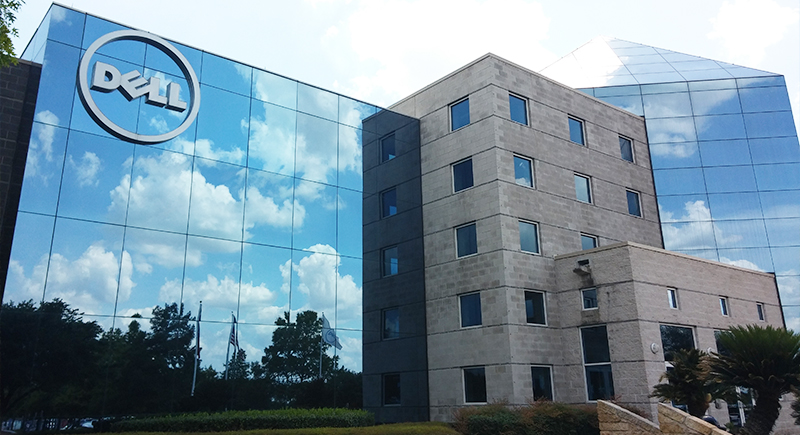
Dell Shrinks Again in Hardware Reset
Credit: Wikimedia Commons
Dell’s cuts are harder to pin down to a single, clean number. Some reports put the latest drop near 11,000 jobs, while broader estimates have circled higher when recent years are lumped together. What Dell has confirmed is a workforce slide from 108,000 to 97,000 as it tightened hiring and reorganized around AI priorities.