10 Signs Berkshire Hathaway is Doubling Down on American Express as Its Second-Largest Holding
American Express has been in Berkshire Hathaway’s portfolio for so long that many investors hardly notice it anymore. But it remains one of Berkshire’s biggest holdings, second only to Apple. And there are plenty of signs that Warren Buffett’s confidence in the company hasn’t changed. If anything, Berkshire seems just as committed to American Express today as it was years ago. These clues help explain why it remains one of the firm’s longest-running investments.
Decades Of Ownership With No Rush To Sell
Credit: Wikimedia Commons
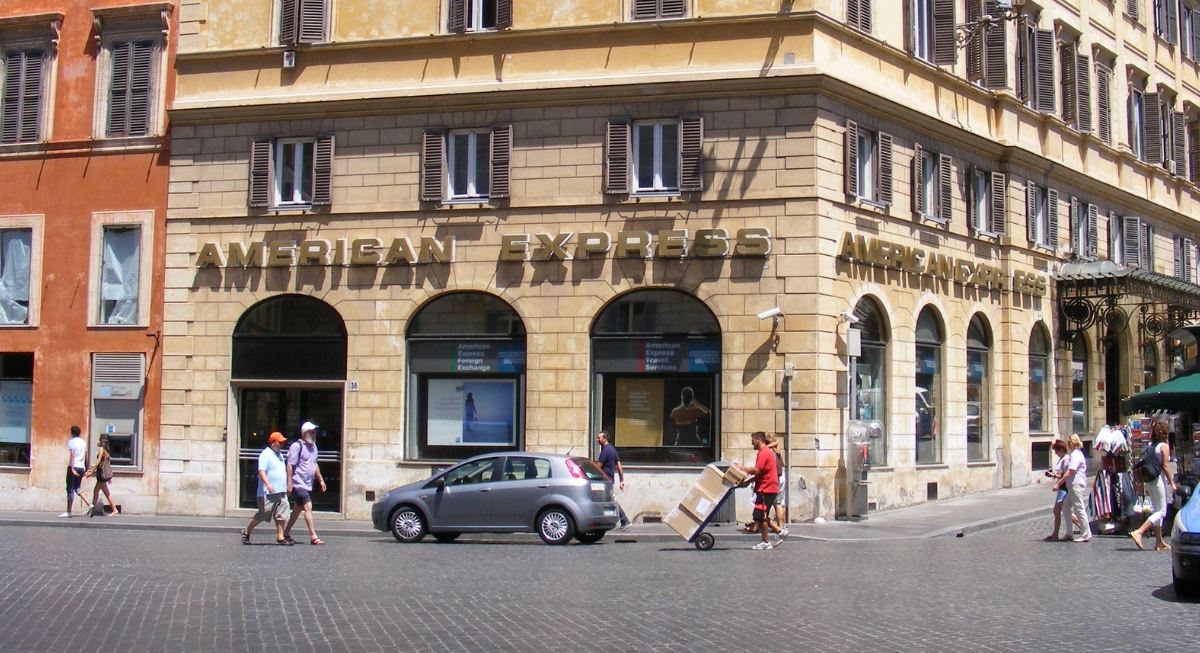
Berkshire Hathaway first built its American Express position decades ago, and the stake has survived countless market cycles. Changing consumer habits and leadership transitions have all come and gone. The holding remains largely untouched. Management continues to see qualities that justify keeping American Express near the top of the portfolio.
It Has Become Berkshire’s Second-Biggest Position
Credit: Getty Images
Portfolio rankings can change quickly when Berkshire trims holdings or adds new investments. American Express has held onto its place near the very top. At roughly 14% of Berkshire’s equity portfolio, it represents a commitment measured in tens of billions of dollars. Plenty of companies have entered and exited Berkshire’s holdings over time.
Greg Abel Has Kept The Position Intact
Credit: Facebook
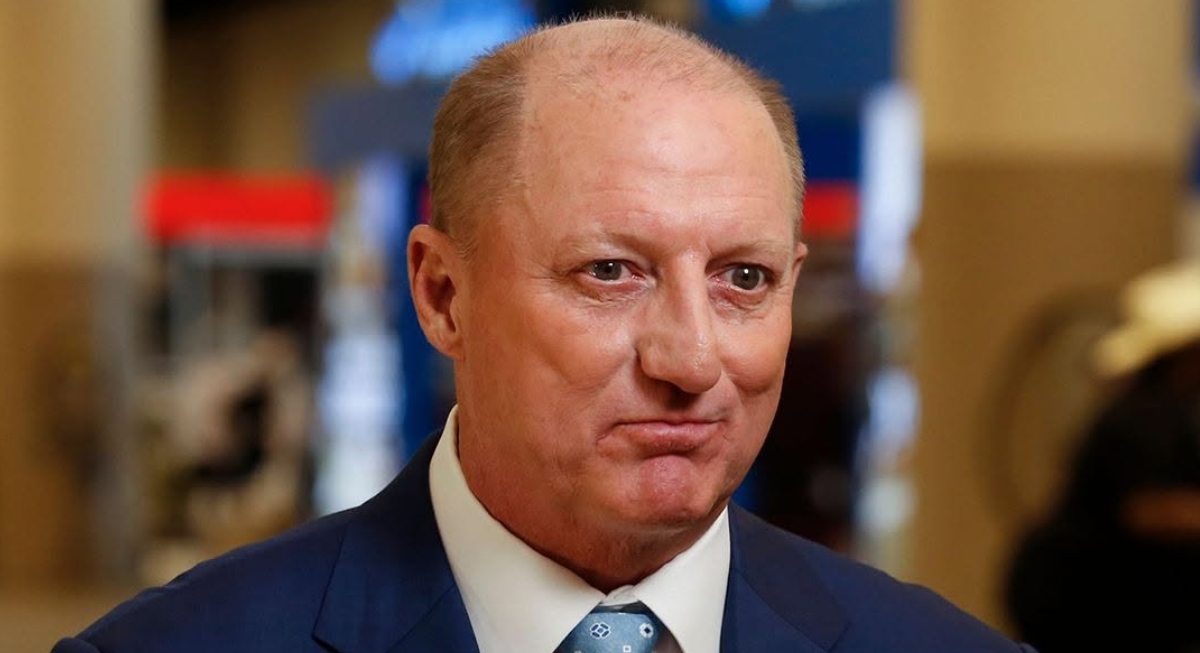
Greg Abel’s promotion to chief executive gave investors a reason to wonder whether Berkshire Hathaway’s portfolio would start to look different. So far, that has not happened with American Express. The company remains one of Berkshire’s largest holdings, and Abel has left that position untouched. While he has shown a willingness to put money into new opportunities, he has given no indication that Berkshire’s long-standing confidence in American Express is fading.
Affluent Customers Keep Spending

Credit: Getty Images
American Express attracts customers who generally have higher incomes than the average cardholder. That distinction matters during uncertain economic periods. Company executives recently pointed to healthy spending on restaurants, travel, and entertainment categories. When consumers become cautious, their customer group often maintains spending patterns better than many competitors can expect.
The Business Controls More Of The Transaction

Credit: pexels
Visa and Mastercard operate payment networks, but American Express follows a different model. The company issues cards and runs the payment network itself. That arrangement gives it direct relationships with both merchants and cardholders. The company captures revenue at multiple points in the payment process and gains valuable customer data along the way.
Premium Cardholders Pay To Participate

Credit: Canva
Many companies compete by lowering prices. American Express has built part of its business around charging annual fees that can reach hundreds of dollars. Customers willingly pay because they value rewards programs and exclusive perks. Raising fees becomes far easier when customers view the product as part of their lifestyle rather than a simple payment tool.
Revenue Growth Remains Surprisingly Consistent
Credit: Canva
Recent quarterly results offered another reminder of American Express’ resilience. Revenue climbed at a double-digit rate, and earnings grew even faster. Investors sometimes focus on short-term market reactions after earnings announcements. Berkshire often looks deeper. Consistent growth over long periods matters more than a single quarter’s stock movement.
Management Is Comfortable With Its Outlook

Credit: Getty Images
Investors occasionally become disappointed when companies fail to raise forecasts. American Express recently maintained its existing expectations instead. The market reacted cautiously, but the guidance still projected healthy growth. Berkshire has never built its strategy around quarterly excitement. A business that confidently sticks with realistic goals can be more attractive than one constantly chasing headlines.
The Brand Carries Real Status
Credit: pexels
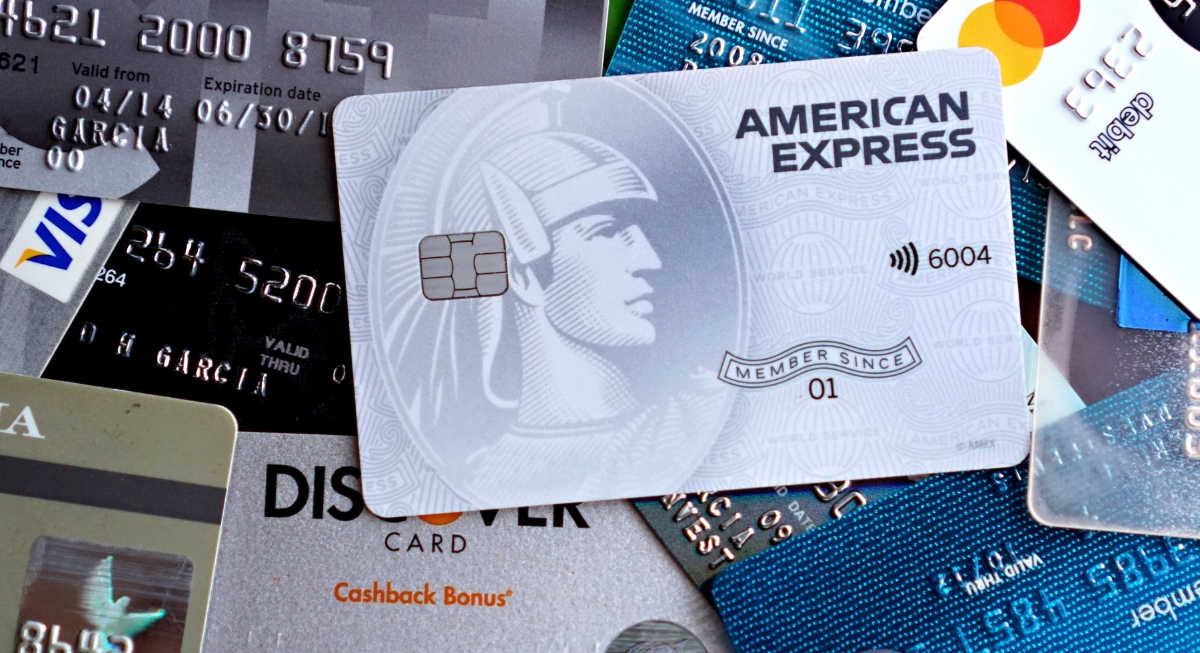
Holding certain cards is often viewed as a sign of financial success. That perception took decades to build and cannot be easily replicated. Berkshire frequently invests in brands that command loyalty beyond the product itself. American Express benefits when customers identify with the brand. Strong brand value tends to support profits for many years.
Its Performance During Tough Times Still Stands Out

Credit: Wikimedia Commons
The financial crisis of 2008 challenged nearly every major company. American Express faced rising defaults and pressure across the economy. Revenue still increased during that difficult year. Investors remember moments like that because they reveal how a business behaves under stress. American Express has repeatedly shown it can weather conditions that overwhelm weaker businesses.