10 Things to Know About the Bank of America Settlement and Who Gets a Payout
If you’ve ever checked your bank account and wondered where an unexpected ATM fee came from, this settlement may be worth a closer look. Bank of America agreed to a $2.25 million settlement over claims that some customers were charged fees for transactions at certain 7-Eleven ATMs several years ago. If you used one of those ATMs, you could be eligible for a payout. Here’s what happened, who qualifies, and what you need to know about the settlement.
A Lawsuit Over Balance Inquiries
Credit: pixabay
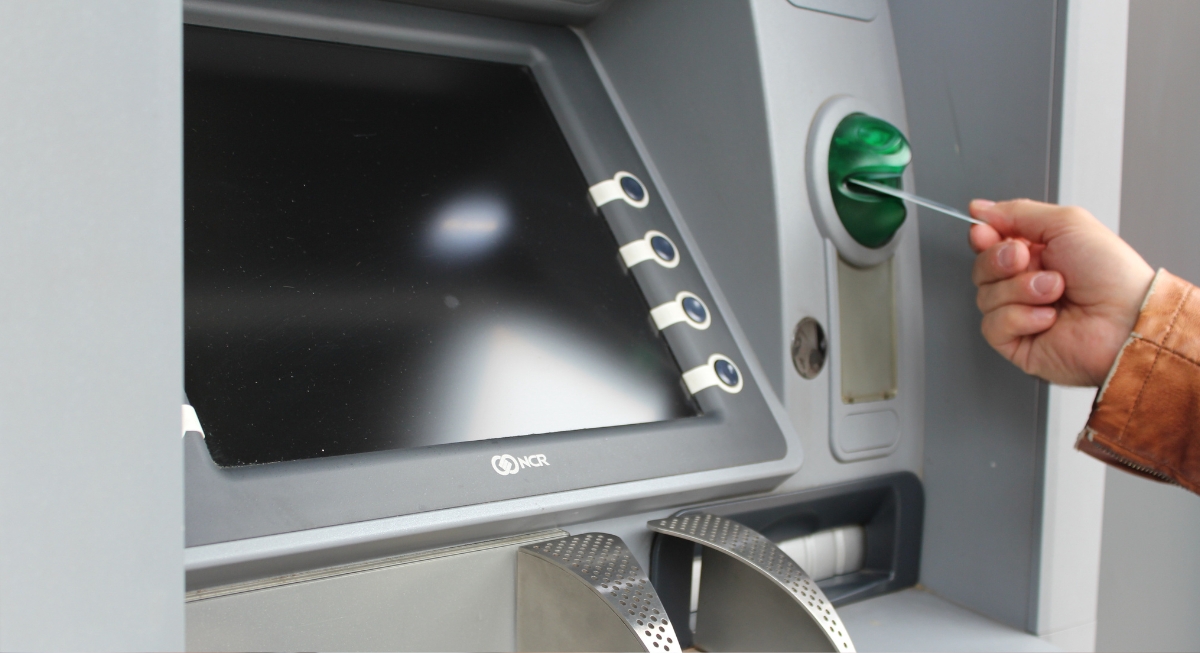
The dispute began with claims that Bank of America customers were charged more than expected when checking their account balances at certain ATMs. According to the lawsuit, customers using FCTI-owned machines inside 7-Eleven stores were sometimes assessed two out-of-network balance inquiry fees during a single visit.
The Settlement Total Is $2.25 Million
Credit: Canva
Bank of America agreed to establish a $2.25 million settlement fund. The agreement resolves the claims without a trial. Settlements of this type are common in class-action cases because they can reduce legal expenses and remove uncertainty for both sides. The amount will eventually be distributed among eligible members after certain costs are deducted.
Bank Of America Denied Wrongdoing
Credit: Wikimedia Commons
One detail that often surprises people is that settlements do not automatically mean a company admits fault. In court filings related to this case, Bank of America denied any wrongdoing. The bank agreed to settle to avoid the costs and risks of continued litigation.
The Timeline Covers Several Years

Credit: Canva
The settlement covers customers who were charged qualifying fees between May 1, 2018, and November 16, 2021. That means transactions outside those dates generally are not included. The time window spans more than three years, potentially giving the settlement a large group of affected account holders spread across different parts of the country.
Not Every ATM Is Part Of The Case
Credit: Wikimedia Commons
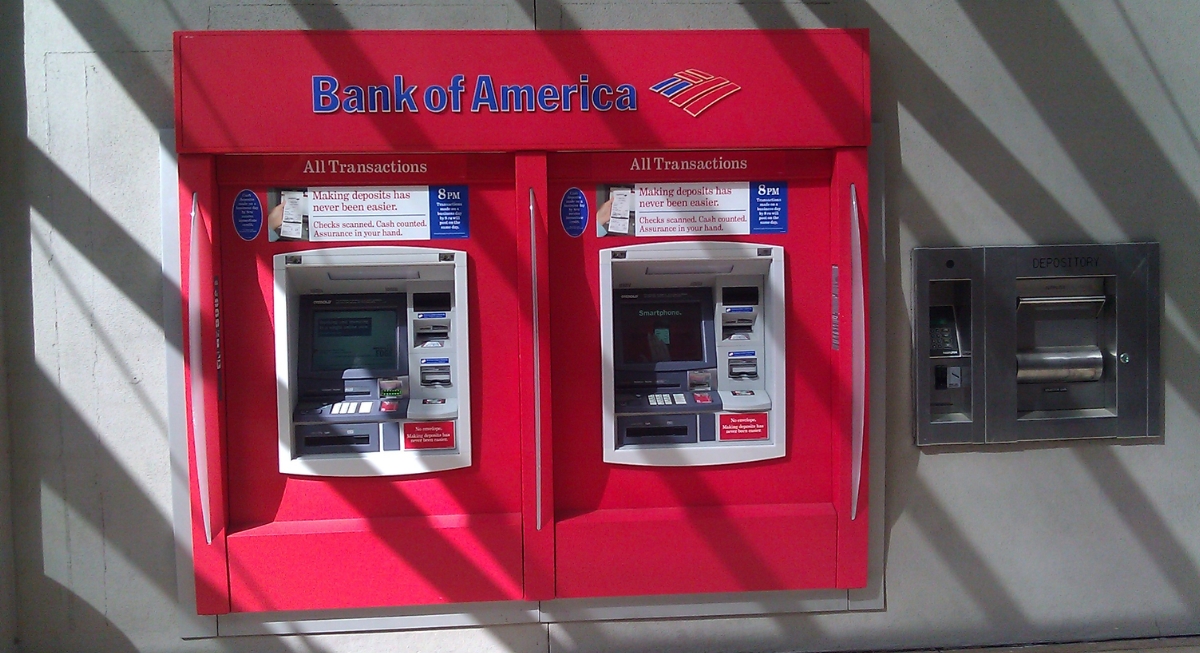
The lawsuit focused only on machines owned by FCTI and located in 7-Eleven stores. That distinction matters because many consumers use a variety of ATMs without paying attention to who owns them. A transaction at another out-of-network ATM would not automatically qualify simply because a fee appeared on an account statement.
Current Customers Have An Easier Path
Credit: Canva
Many eligible customers may not need to take any action at all. Current Bank of America account holders who received notice about the settlement are expected to receive payments automatically if the settlement receives final approval. That removes a common hurdle seen in many class-action cases where participants must complete paperwork before receiving compensation.
Former Customers Need To Pay Attention

Credit: Getty Images
Former account holders generally must submit a claim through the settlement website to receive a payment. Missing the filing deadline could mean missing out on any share of the settlement fund. For that reason, former customers have a stronger incentive to review the settlement details carefully.
Earlier Settlement Participants Are Excluded

Credit: pexels
A previous case connected to similar ATM fee issues creates an important exception. Customers who already submitted a valid claim and received payment through the Weiss v. FCTI settlement are not eligible for another payout under this agreement. Class-action settlements often include provisions like this to prevent duplicate recovery for the same underlying conduct.
The Final Payout Amount Remains Unknown

Credit: Canva
One question has generated plenty of curiosity: how much money will people actually receive? The answer depends on the number of eligible participants. Settlement members will share the available fund, but the exact amount cannot be calculated until claims are processed and expenses are determined. A larger group of approved claimants generally means smaller individual payments.
Court Approval Still Matters

Credit: Canva
The settlement is not completely finished until a judge signs off on it. A final approval hearing has been scheduled to review the agreement before payments move forward. Courts routinely examine class-action settlements to determine whether they are fair to affected consumers. Once that process is completed, eligible participants can expect the distribution stage to begin.