10 Iconic American Brands That Quietly Moved Production Overseas
If you grew up in America, you already know how much pride people take in homegrown brands. Items like Levi’s jeans, Ford trucks, and Apple devices are typically associated with American companies and their origins. Many people, even you, might assume these products are still produced in the country.
In reality, production has moved across multiple countries to manage costs and supply needs. Companies now rely on international manufacturing to keep up with demand and pricing. The branding could still be the same, though the development process now stretches far beyond the country where these businesses first started.
Levi Strauss & Co.
Credit: Wikimedia Commons
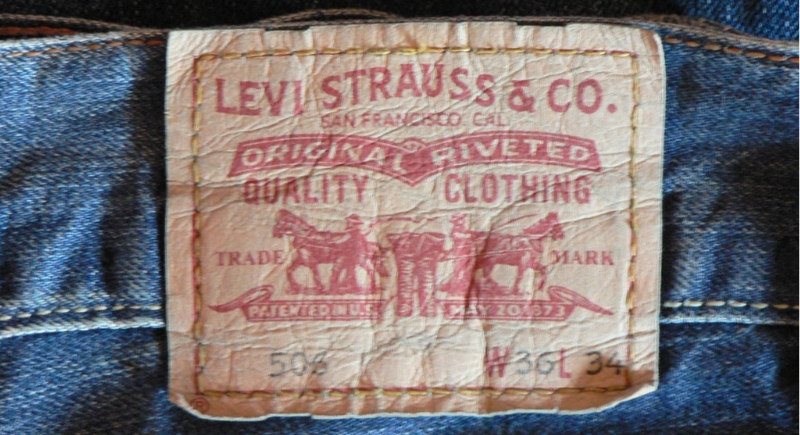
Levi Strauss & Co. still carries a strong identity tied to American workwear, but most of its jeans are produced in factories across China, Mexico, and Vietnam. Domestic production continues on a limited scale, representing only a small share. Large-scale manufacturing overseas supports consistent output and global distribution.
Rawlings
Credit: Wikimedia Commons
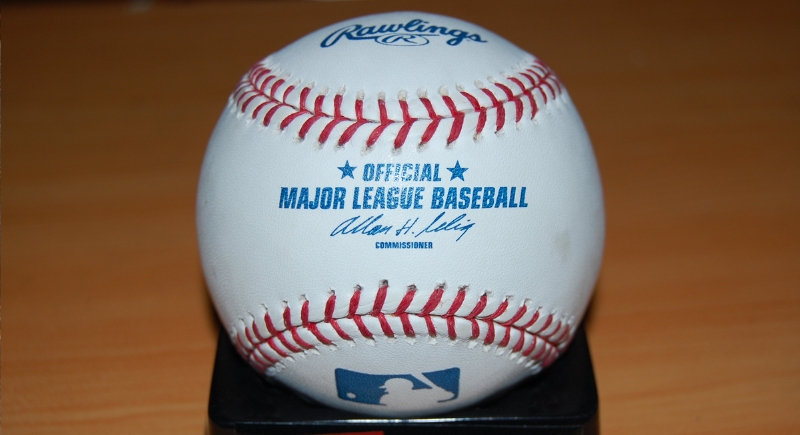
Official Major League baseballs are produced outside the United States. Rawlings assembles them in Costa Rica using materials sourced from several countries, including the United States. Each ball is hand-stitched by skilled workers, requiring precision and consistency at every step.
American Girl
Credit: Wikimedia Commons
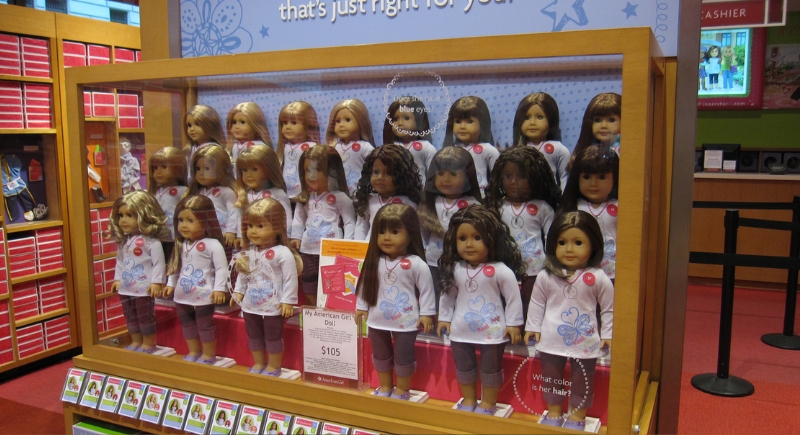
Production began in the United States before shifting to Germany and later to China, where it continues today. Each doll comes with curated accessories and books, which adds to the overall cost. Pricing reflects the full experience around the product rather than the location of manufacturing.
Apple

Credit: pexels
Design and development take place in the United States, while large-scale assembly happens in China through a network of specialized manufacturing partners. This structure allows Apple to produce devices at scale with high precision and efficiency. Components are sourced globally, then brought together in centralized facilities. The company focuses on design, performance, and ecosystem integration, which defines its premium position in the market.
Nike
Credit: pexels
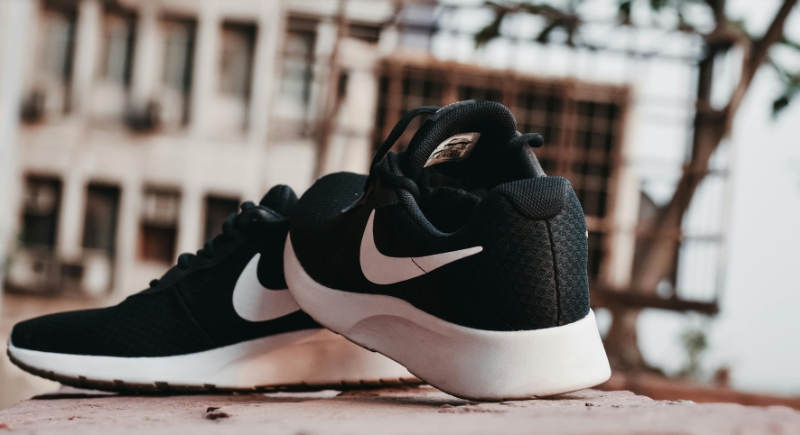
Early in its growth, Nike moved production abroad by starting in Japan and expanding across Asia. It is common knowledge that athletic footwear requires detailed manual work, which makes lower-cost regions more suitable for manufacturing. This strategy helps the company to produce at scale without pushing prices beyond reach.
Fender and Gibson
Credit: Wikimedia Commons
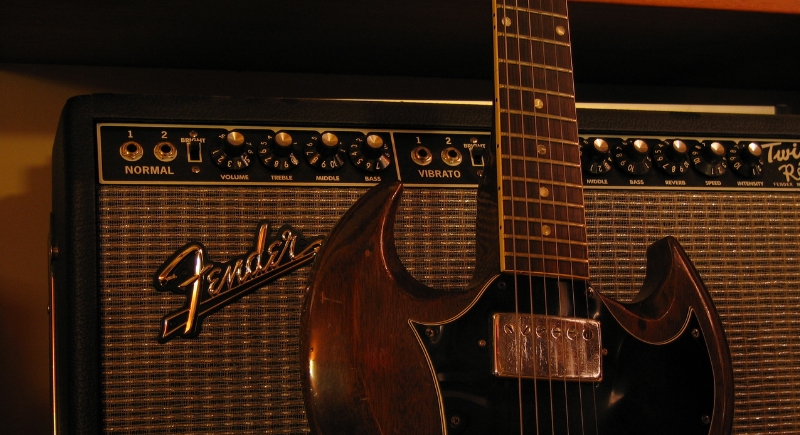
Guitar production for Fender and Gibson began in California and Tennessee, which defined their identity within American music culture. Fender produces many standard models in Mexico, while Gibson focuses largely on U.S. manufacturing, with its Epiphone brand handling most overseas production in Asia.
Ford Motor Company
Credit: Wikimedia Commons
It is common for many companies to source their parts from different regions to use specialized expertise in each area, which is exactly what happens in modern vehicle production. Ford operates through a system that brings together components and expertise across several countries. Assembly takes place in Mexico, with parts sourced from regions including Japan, Germany, and China.
Dell
Credit: Wikimedia Commons
Operations remain headquartered in Texas, while a large share of computer manufacturing takes place in Mexico. Lower labor costs and favorable trade agreements support large-scale production and help keep prices competitive. This setup also improves turnaround times and supply efficiency. The company relies on this structure to meet global demand and maintain a strong position in the technology market.
U.S. Steel
Credit: Wikimedia Commons
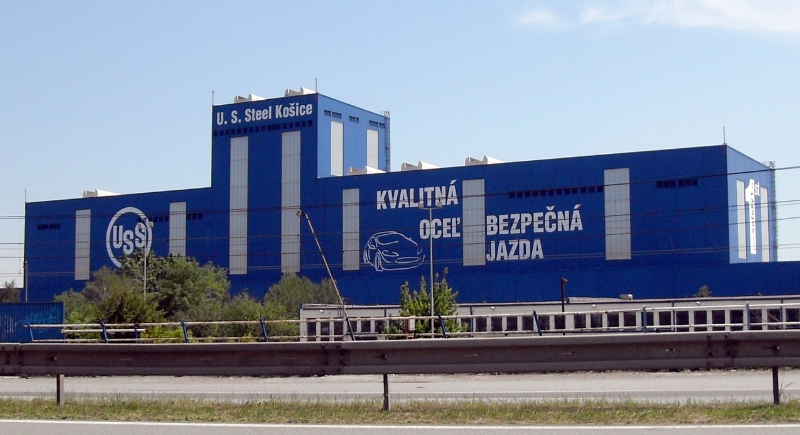
Though it once stood at the center of American industrial growth, U.S. Steel now operates within a global production network. The company produces steel in the United States and also operates internationally. Shifting parts of supply support overseas helped reduce overheads and expand access to markets everywhere. This approach increased supply and supported broader distribution.
L.L.Bean

Credit: Wikimedia Commons
Signature items such as the classic Bean Boots are still finished in Maine and reflect the brand’s original craftsmanship. A large share of other products is made overseas, including in China, to control costs and keep supply steady. This mixed production model supports quality on key items while also keeping a wide product range available at more accessible price points for customers.