10 Badass Women CEOs Admired in the Business World
There’s no single playbook for building a company, and none of these women followed one. They made hard calls, took risks that raised eyebrows, and kept going when success was far from guaranteed. What makes them stand out isn’t just the titles they hold, but the way they reshaped their industries while doing it on their own terms. These are the stories people still talk about.
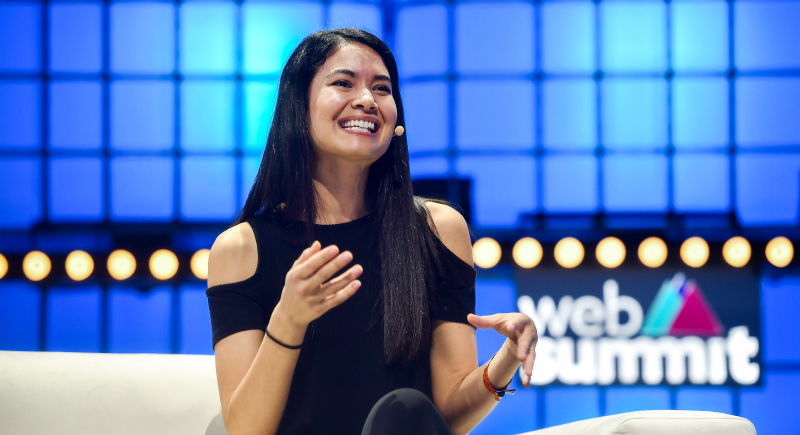
Melanie Perkins Took Graphic Design Global
Credit: Wikimedia Commons
Canva’s co-founder launched her first business at 19 and turned classroom frustration into a billion-dollar platform. Melanie Perkins, based in Australia, made graphic design more accessible through simple tools and templates. She co-runs one of the few tech unicorns with a female CEO and remains committed to inclusivity.
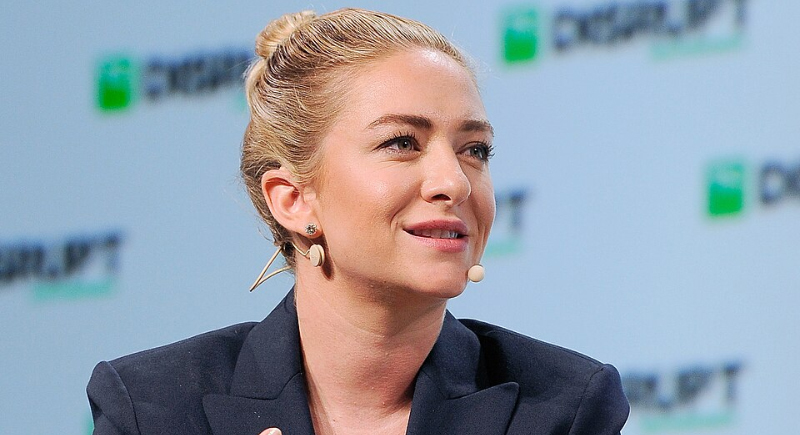
Whitney Wolfe Herd Made The First Move Count
Credit: Wikimedia Commons
After co-founding Tinder and later suing the company, Wolfe Herd built a competitor. Bumble flipped dating dynamics by requiring women to message first, and that shift became the company’s identity. In 2021, she became the youngest woman to take a company public in the U.S., and she’s kept a sharp focus on online safety and female leadership since day one.
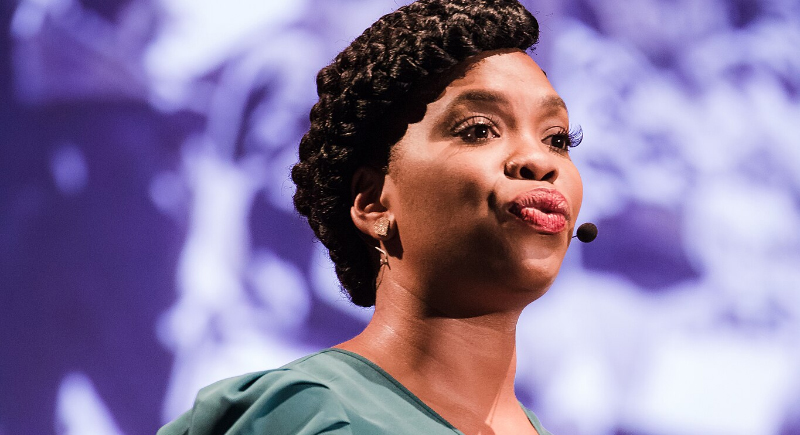
Jasmine Crowe Turned Leftovers Into Impact
Credit: Wikimedia Commons
Jasmine Crowe founded Goodr to fight food insecurity by redirecting excess food to communities in need. Her approach focuses on transparency and measurable results, not sympathy. Under her leadership, Goodr has delivered millions of meals and helped companies rethink waste.
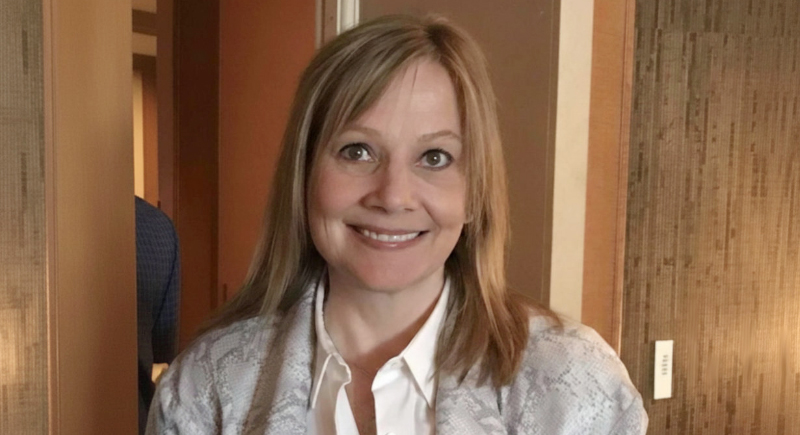
Mary Barra Isn’t Just Running GM—She’s Rewriting It
Credit: Wikimedia Commons
Mary Barra began at General Motors inspecting fenders as an intern. Decades later, she became the first woman to lead a Big Three automaker. Since stepping in as CEO in 2014, she’s pushed hard toward electric vehicles and cleaner tech. Barra also handled one of GM’s biggest recalls and came out with even more support from her board.
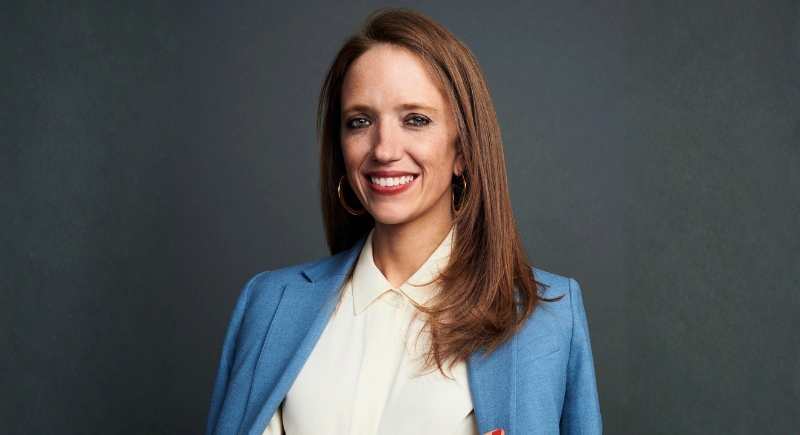
Katherine Ryder Built Healthcare On Her Terms
Credit: LinkedIn
Before founding Maven Clinic, Ryder worked in journalism and venture capital. Her frustration with how healthcare underserved women led to a business idea: virtual care that actually addresses women’s needs. Maven now supports fertility, maternity, and menopause with real doctors on call. It’s the first digital health unicorn focused entirely on women and families.
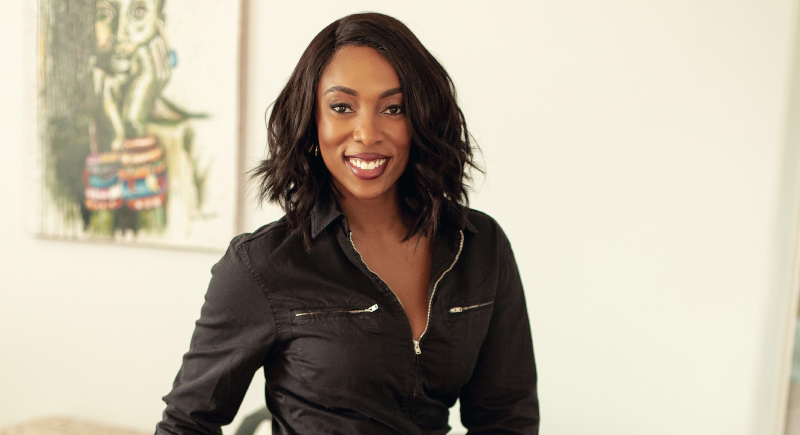
Jessica O. Matthews Invented Power In Motion
Credit: Facebook
At 19, she created a soccer ball that stores energy. That idea sparked Uncharted Power, a renewable energy company focused on smart infrastructure. Born in New York and raised between two countries, Matthews has spoken at the White House, earned 10+ patents, and turned play into power—literally.
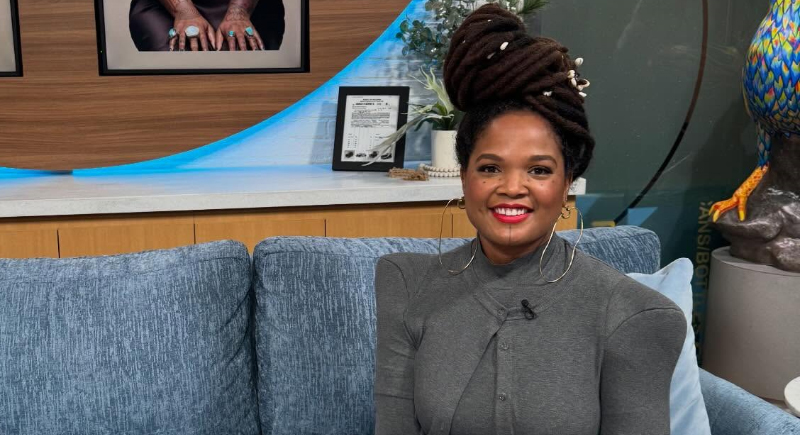
Beatrice Dixon Said No To Shame-Based Marketing
Credit: Instagram
When Beatrice Dixon launched The Honey Pot, she was changing how people talk about their bodies. Her products filled gaps in both representation and trust. After facing backlash over a Target ad that mentioned race, Dixon responded with transparency and growth. The company saw record sales and kept its core message: health products can be inclusive and unapologetic.
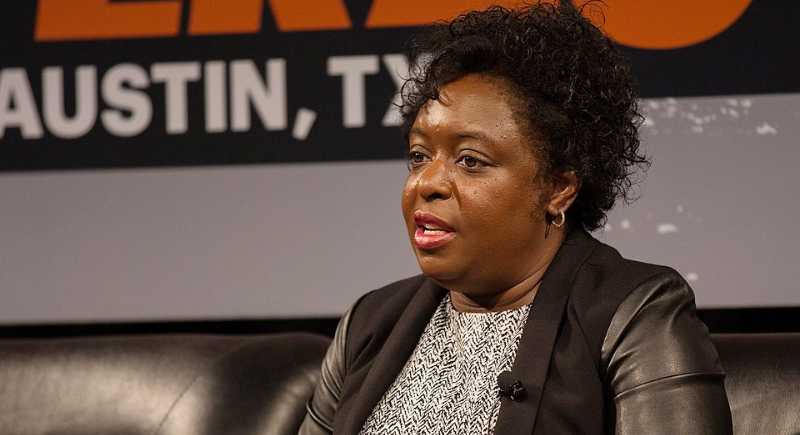
Kimberly Bryant Gave Girls A Code To Follow
Credit: Wikimedia Commons
As an electrical engineer, Bryant rarely saw faces like hers in STEM. So she founded Black Girls Code to fix that—teaching coding to young girls of color through workshops and community programs. Bryant stepped down in 2022, but her blueprint lives on: build access early and don’t wait for permission to lead.
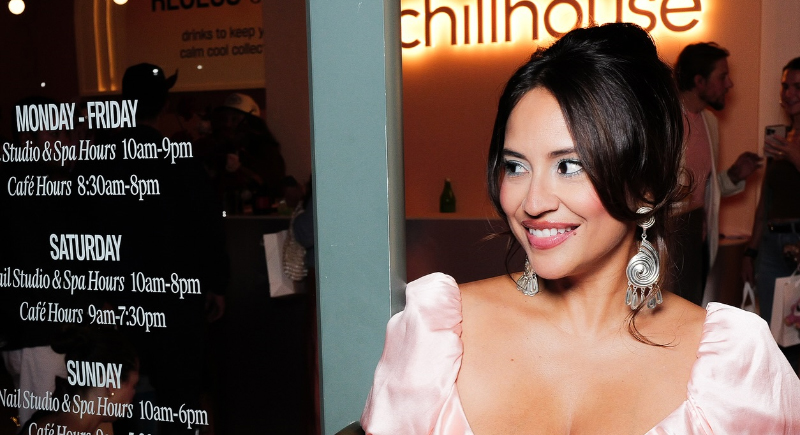
Cyndi Ramirez-Fulton Turned Wellness Into A Business Plan
Credit: Instagram
With Chillhouse, Ramirez-Fulton made self-care something you could book between errands. Her NYC-based spa café rethinks wellness with affordable nail art, massage, and lattes. Before launching the brand, she ran a lifestyle blog and worked in hospitality—skills she blended into a space that doesn’t feel like a spa or a salon but works as both.
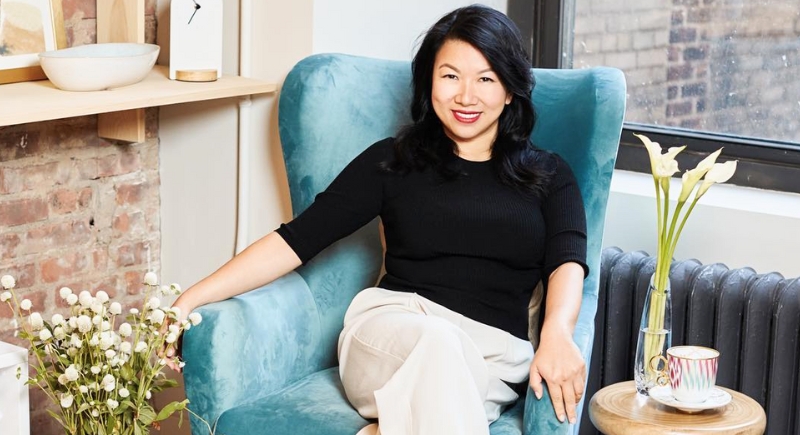
Shan-Lyn Ma Gave Wedding Planning A Reboot
Credit: Instagram
Shan-Lyn Ma built Zola after seeing how scattered wedding planning had become. Couples had to manage registries, guest lists, and websites across different platforms, which made the process harder than it needed to be. Zola combined those tools into one system. The approach worked. The platform now supports more than two million couples and is widely used for managing weddings in one place.