
From en primeur allocations to mature-case spreads, these are the three wine moves I see execs repeat when they want upside without daily noise.
En primeur allocations: paying for access, not a deal
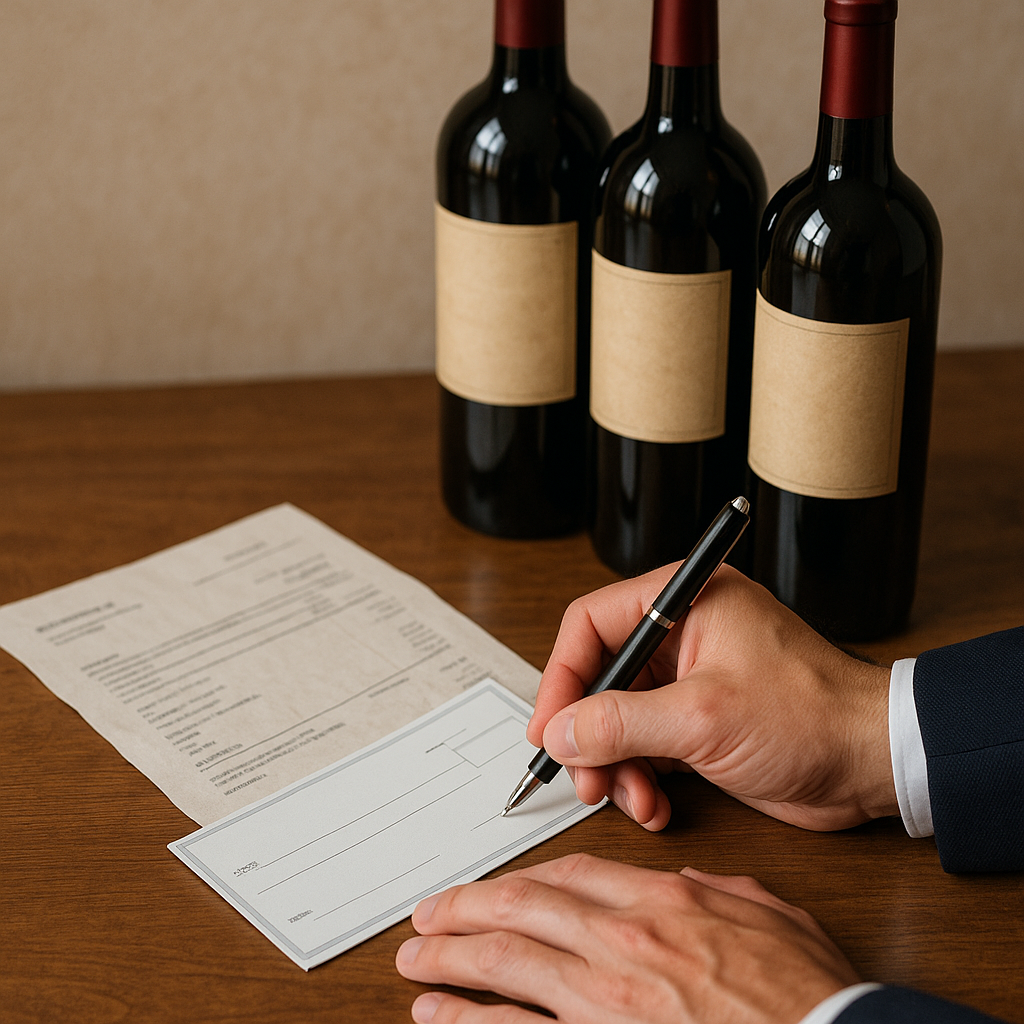
I keep seeing the same pattern when an exec decides they want a serious cellar: they start with Bordeaux futures because it feels like insider baseball. It is, but not always in the way people think. The check you write up front is often less about getting a screaming price and more about buying your way into an allocation lane that stays open later. The grown-up move is treating en primeur like a relationship product: you ask what else you need to take (a mixed case, some lesser chateau, maybe a few bottles you would not otherwise chase) to keep your name on the list for the label you do want. If the merchant can not tell you their allocation history and how they handle oversubscription, I slow down.
My practical filter is boring: I look for wines where I can articulate the exit without sounding like a brochure. First-growths are liquid, but they are also the easiest place to overpay for bragging rights. On the other end, I like the high-demand second- and third-tier names that trade frequently, with a deep bench of buyers and a long track record for critics. I also insist on paperwork that stands the test of time: an invoice in your name, clear delivery terms, and a plan for storage from day one (a bonded warehouse if you are thinking resale, or at least professional storage with consistent temperature and humidity). Futures can work, but only if you admit what you are purchasing: not wine you can drink soon, but a seat at the table for the next release cycle.
Mature-case spreads: one case to hold, extra bottles to drink
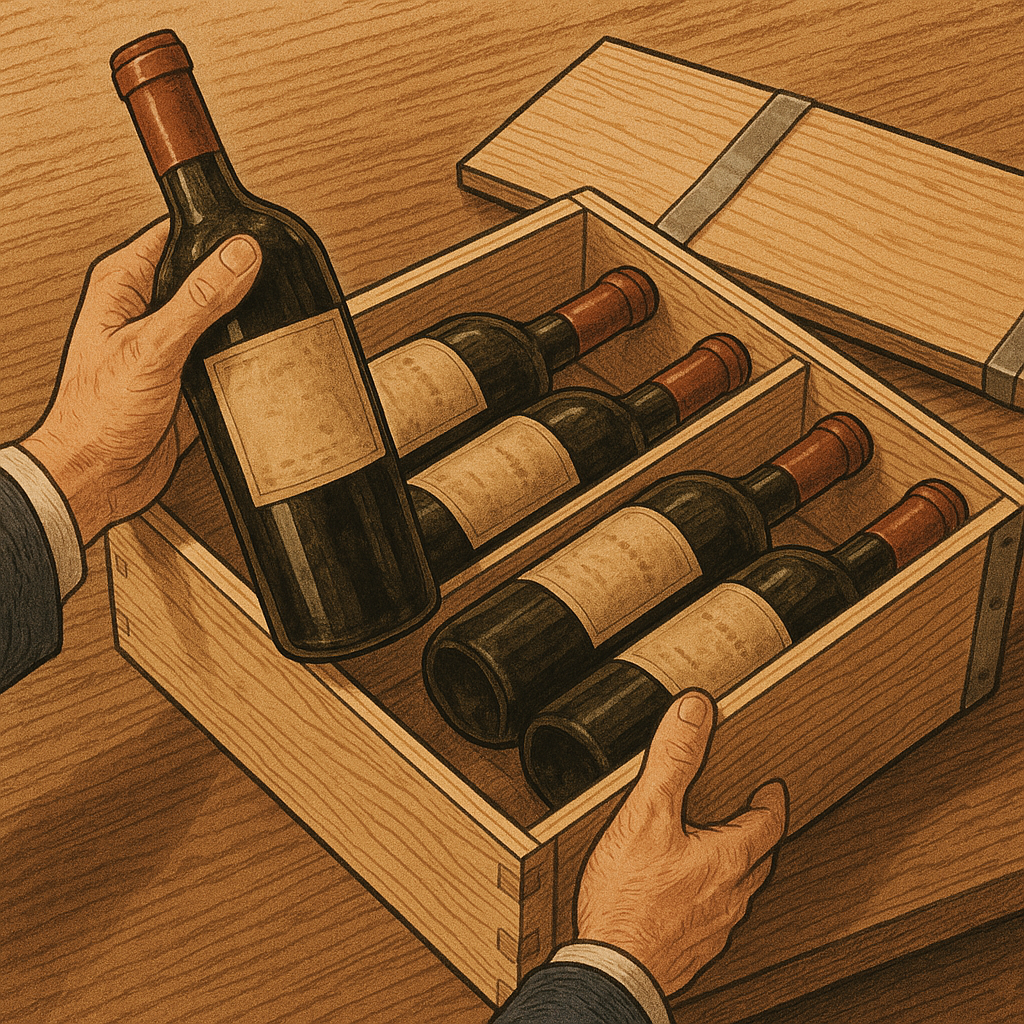
If someone tells me they are buying only pristine, untouched cases for the long haul, I can usually guess they have not been burned yet. The smarter play I watch seasoned buyers make is to spread across maturities, then make a deliberate split within the case. A typical version is to buy a sealed case for long-term storage, then purchase a few additional bottles from the same lot for drinking and evaluation. That sounds simple, but it changes your behavior. You are no longer daydreaming about what the wine might become. You are tasting what it is, right now, and that gives you an honest read on style, oak, acidity, and whether the critic narrative matches your own table.
The mechanics matter if you want the sealed case to retain its optionality. I look for original wooden cases (OWC) with intact banding, and I keep the case as a unit for storage. Once you start splitting and shuffling, you have to rebuild provenance bottle by bottle, which is a hassle when you eventually want to sell. This is also where I get picky about fill levels and cork condition. For older bottles, a high shoulder fill can be reassuring, but it does not magically certify perfect storage history. You want a consistent appearance across the case: matching labels, consistent capsule condition, and no single bottle that looks like it lived in a sunny kitchen. If I am buying through a broker, I ask who stored it, where, and whether it has ever been moved between facilities.
Execs like this approach because it scratches both itches. The extra bottles provide the dinner-party payoff, while the sealed case retains its provenance and resale appeal. And honestly, opening a bottle from the same lot you own has a way of tightening discipline. If it is not great, you stop doubling down out of ego. If it is great, you stop panic-buying random adjacent labels and start building depth where your own palate is already convinced.
The Champagne ladder (magnums included)
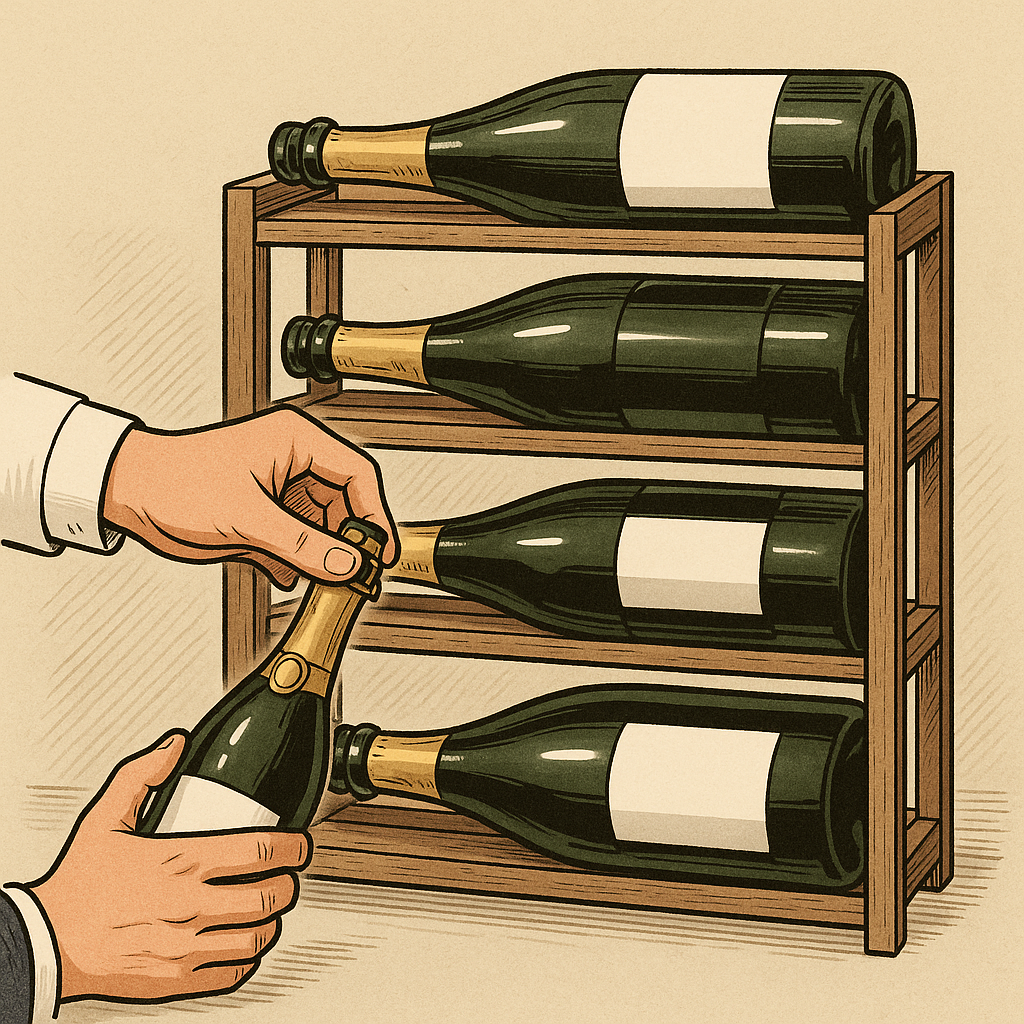
When a top exec tells me they want a wine position they will not resent owning, I often steer the conversation to a Champagne ladder. Not the obvious “buy the famous label and wait” version. A ladder with purpose: one tier that is always drinkable, one tier that is quietly appreciating, and one tier that is a celebration flex you do not need to justify. The reason this works in practice is that Champagne has a steady culture of consumption. People open it. That sounds trivial until you compare it to regions where the market is dominated by people who never pull a cork and prices float on story alone.
Here is what the ladder looks like when I build it for myself. Tier one is a rotating stash of non-vintage from a house you genuinely like, stored cold enough and dark enough that you are not cooking it in a kitchen cabinet. This is the “Tuesday turned into good news” wine. Tier two is vintage Champagne from strong years, where you can buy multiple bottles and learn how it develops. Tier three is where you add format and scarcity: magnums of vintage Champagne, or smaller-production grower-producer bottles that have real demand among collectors. Magnums are not just a party trick. They often age more slowly because a larger bottle contains proportionally less oxygen relative to the amount of wine, and they are a pain to source later if you decide you want them.
The unglamorous part is storage and traceability. If resale is even on your mind, you want consistent professional storage and documentation that ties the bottles to you: invoices, storage statements, and a clear chain from release to your rack. And I am careful with how I “shop” this ladder. I do not chase random discount listings and tell myself I have outsmarted the market. For Champagne, I would rather buy fewer bottles from a reputable source than more bottles with a foggy backstory. The win with this ladder is that it stays fun. You are not staring at a cellar that feels like a museum. You are opening it, learning it, and still building a position that other buyers recognize when it is time to sell or trade up.