10 Spending Trends That Defined 2025
2025 was a year of high prices and tight budgets, yet people found creative ways to save and still grab a coffee here and there. Consumers adjusted and even got a little strategic. New habits took root, old ones evolved, and financial trends reflected it all. These ten patterns helped shape how people spent and occasionally splurged their money last year.
Dupe Culture Got Serious
Credit: Youtube
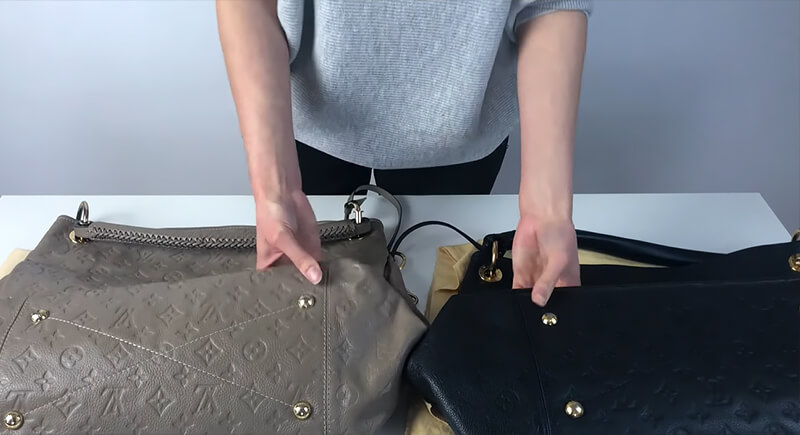
Swapping high-end for lookalikes isn’t new, but 2025 made it a full-blown strategy. Shoppers compared materials and durability like pros. People proudly posted side-by-sides and crowned their finds online. Beauty, fashion, and even home goods brands faced competition from cheaper alternatives that looked and worked just as well, but without the fancy packaging.
AI Turned Into a Shopping Buddy

Credit: pexels
Generative AI tools went from curious novelty to practical helper. By the end of 2025, around 35% of UK consumers reported using platforms like ChatGPT to plan budgets, find deals, or compare prices. During Black Friday alone, nearly half of shoppers used AI to sniff out discount codes.
Treat Math Took Over
Credit: Wikimedia Commons
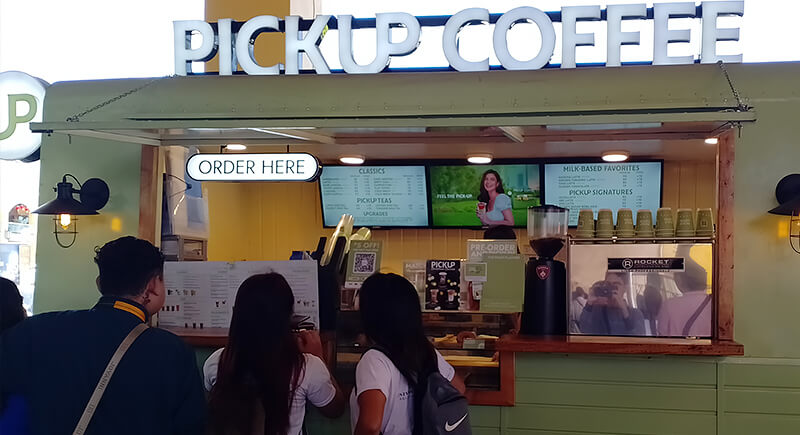
As big splurges disappeared, smaller rewards filled the gap. Instead of trips or designer buys, people leaned into things like coffee runs, candles, or a $30 skincare product. The logic was simple: skip an expensive plan, earn a small treat instead. These modest indulgences felt reasonable and gave a sense of control at a time when larger spending felt out of reach.
Clothing Took A Hit
Credit: Canva
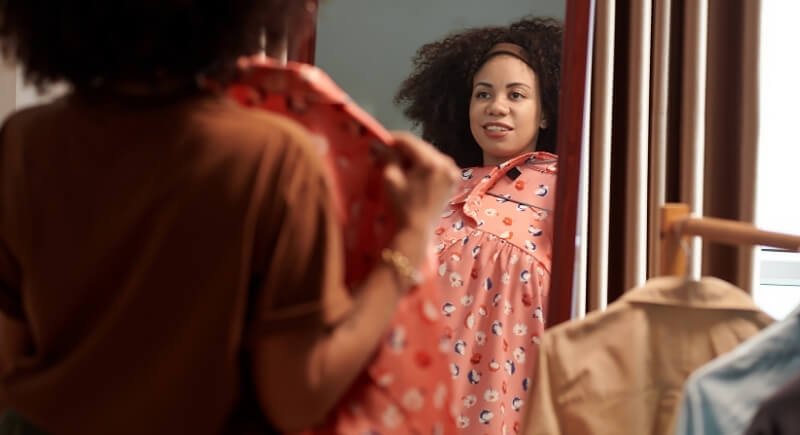
When budgets got tight, clothes were often the first items on the chopping block. On average, 54% of people reported cutting back on buying new outfits in 2025. This topped the list of non-essentials people gave up. Fast fashion didn’t vanish, but resale apps and “wear what you have” challenges gained momentum.
Buy Now, Pay Later Showed Its Limits
Credit: Przemek Klos
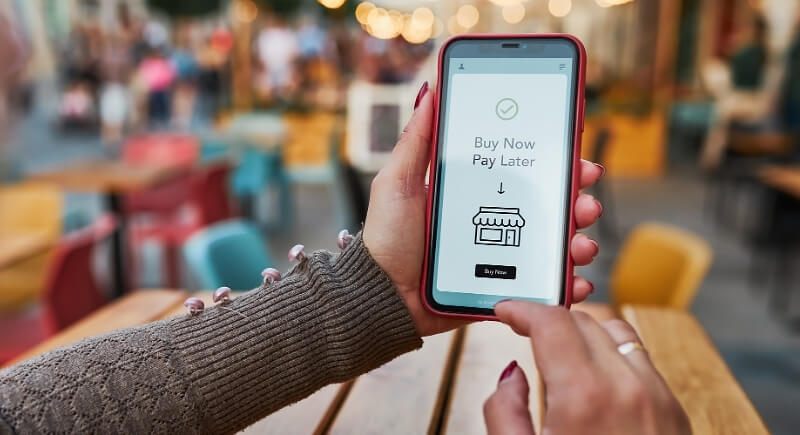
Late payments rose to 42%—up from 34% in 2023. Many use BNPL not for big-ticket items, but for everyday purchases, such as groceries. That helped in the short term, but made tracking bills harder. By the end of 2025, more shoppers were realizing those four easy installments weren’t so easy if you juggled multiple plans at once.
Shrinkflation Became Unavoidable

Credit: News Group Newspapers Ltd
It showed up everywhere, from candy bars and laundry pods to juice bottles. By 2025, around 80% of UK consumers reported noticing shrinkflation, up from 65% just two years earlier. Holiday chocolate was hit especially hard as cocoa prices climbed. Brands faced a choice and most responded by shrinking portions, raising prices, or doing both.
Cafés Became Budget-Friendly Escapes

Credit: NanoNano
Cafés and coffee shops remained busy, with 44% of consumers reporting that they relied on small treats to boost their mood. The category remained strong throughout 2025, with the UK now home to over 10,000 branded coffee spots. A latte, it turns out, was the year’s favorite affordable luxury.
Side Hustles Got Smarter

Credit: Canva
The hustle stayed alive, but people became more discerning. Instead of grinding through five gigs, workers began choosing ones that fit their schedules and energy levels. Seasonal help and low-commitment jobs gained popularity. Burnout from early gig culture left a mark. More people now prefer a side hustle that teaches a skill or feels personally rewarding.
Underconsumption Made a Statement

Credit: Getty Images
Spending less became a way of life, not just a necessity. Online, creators posted decluttering wins and “shop your stash” outfit videos. Buying thoughtfully took center stage. It wasn’t about minimalism—it was about resisting pressure to keep up with trends. Repairs, swaps, and secondhand finds grew in popularity.
Scam Awareness Turned Routine

Credit: Getty Images
After another year of AI-generated scams, most people started treating fraud checks like locking the front door. More consumers froze their credit, double-checked links, and used password managers. In 2025, 50% reported being more concerned about scams than they had been a year prior.