10 Reasons Why In-Car AI and Smart Cockpits are the New Battlefield at the 2026 Beijing Auto Show
The 2026 Beijing Auto Show made one thing clear: electric vehicles are no longer competing on battery size and charging speed alone. Across the show floor, automakers focused on what happens inside the cabin and unveiled cars that can listen, respond, learn driver preferences, and assist with everyday tasks. Smart cockpits and artificial intelligence emerged as major selling points. The dashboard is now one of the industry’s most competitive battlegrounds.
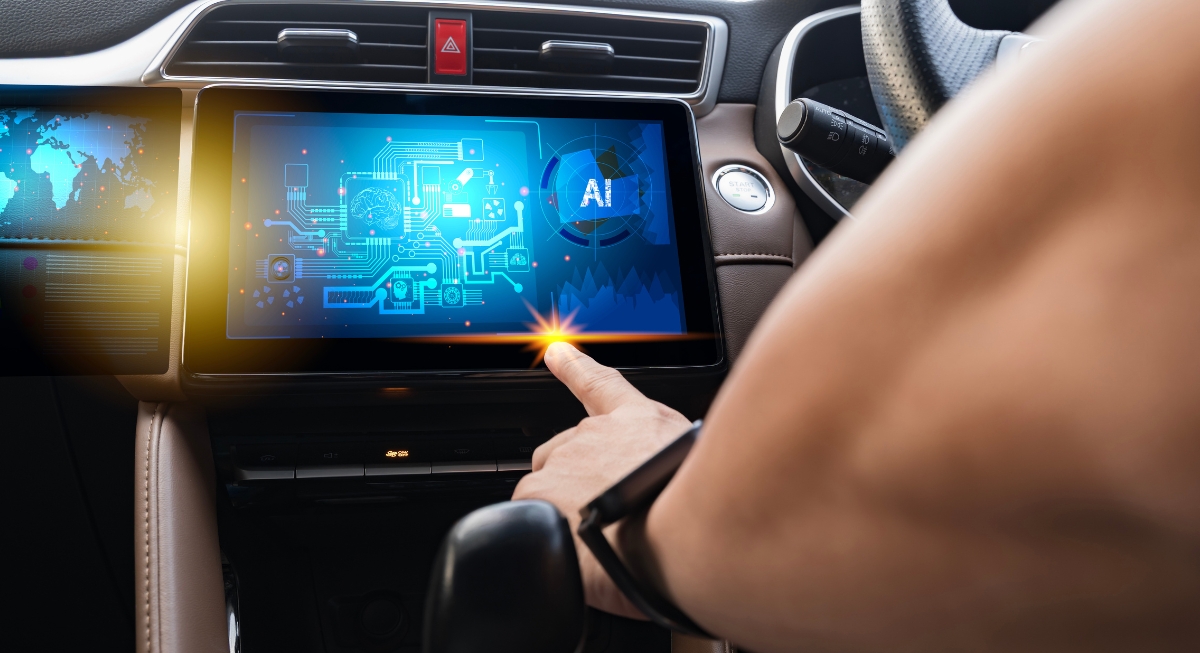
AI Assistants Have Become a Key Selling Feature
Credit: Canva
At the Beijing Auto Show, companies demonstrated AI assistants capable of carrying on conversations. Chinese technology firms, including ByteDance, Alibaba, and Tencent, appeared alongside automakers because the software experience now plays a major role in attracting buyers.
Price Wars Have Reached Their Limits
Credit: Wikimedia Commons
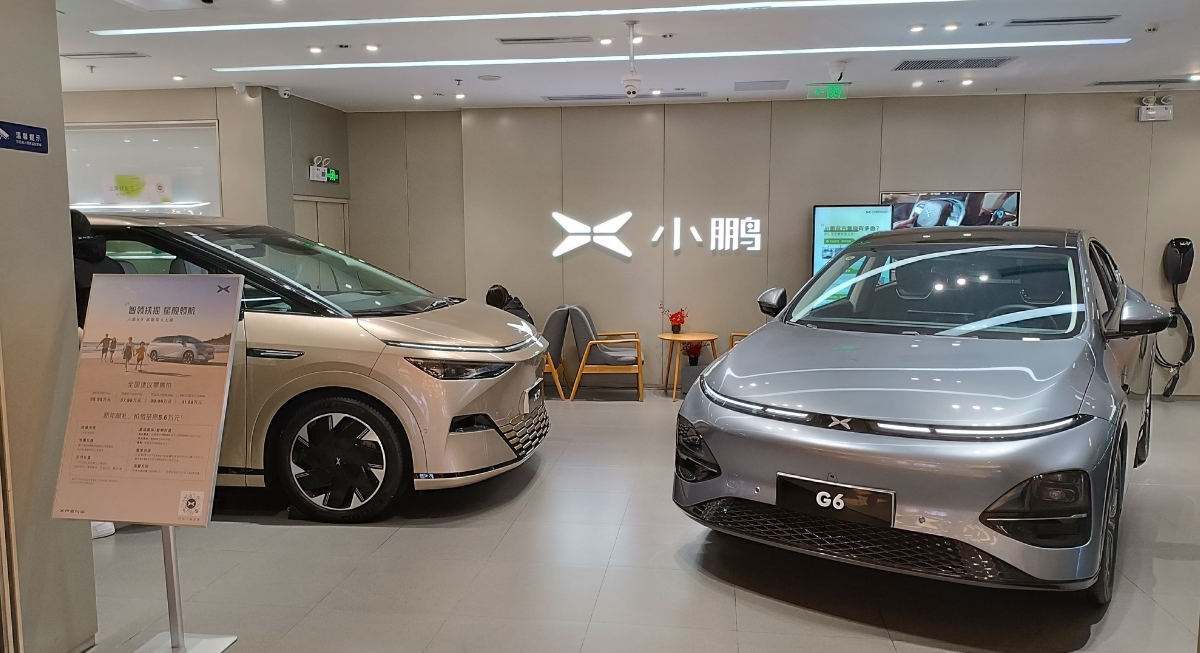
China’s electric vehicle market spent years competing through lower prices and aggressive promotions. That approach increased sales across the industry while putting pressure on profit margins. Smart cockpit technology gives brands a new way to stand out. Instead of competing over a few thousand yuan, automakers can offer a more capable and personalized in-car experience.
Drivers Expect Cars To Handle Daily Tasks

Credit: Getty Images
Modern cockpit systems are increasingly functioning like digital personal assistants. Demonstrations at the show included ordering food, booking hotels, purchasing attraction tickets, checking package deliveries, and managing schedules through voice commands. These features reflect how many consumers already use smartphones.
Big Tech Companies Want Space On The Dashboard
Credit: pexels
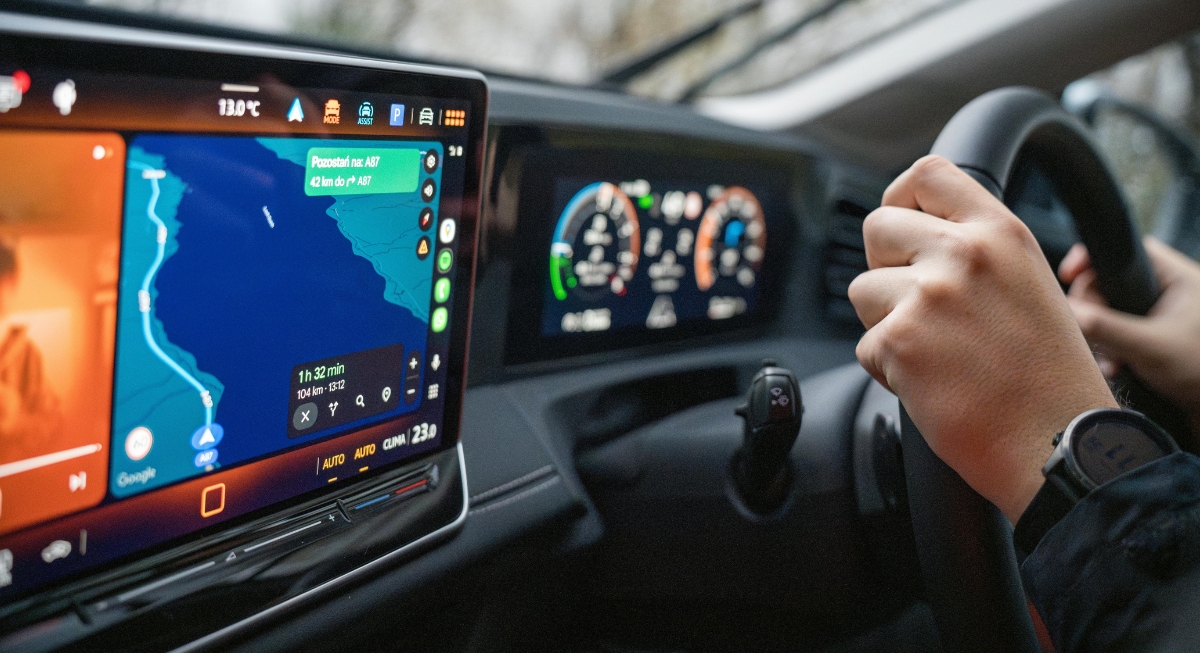
ByteDance’s Doubao model powers millions of vehicle interactions across China. Alibaba’s Qwen platform is finding its way into models from major manufacturers. The dashboard has become valuable real estate because it gives technology companies direct access to users during daily commutes.
Smart Cockpits Are Becoming The Center Of Vehicle Design
Credit: Wikimedia Commons
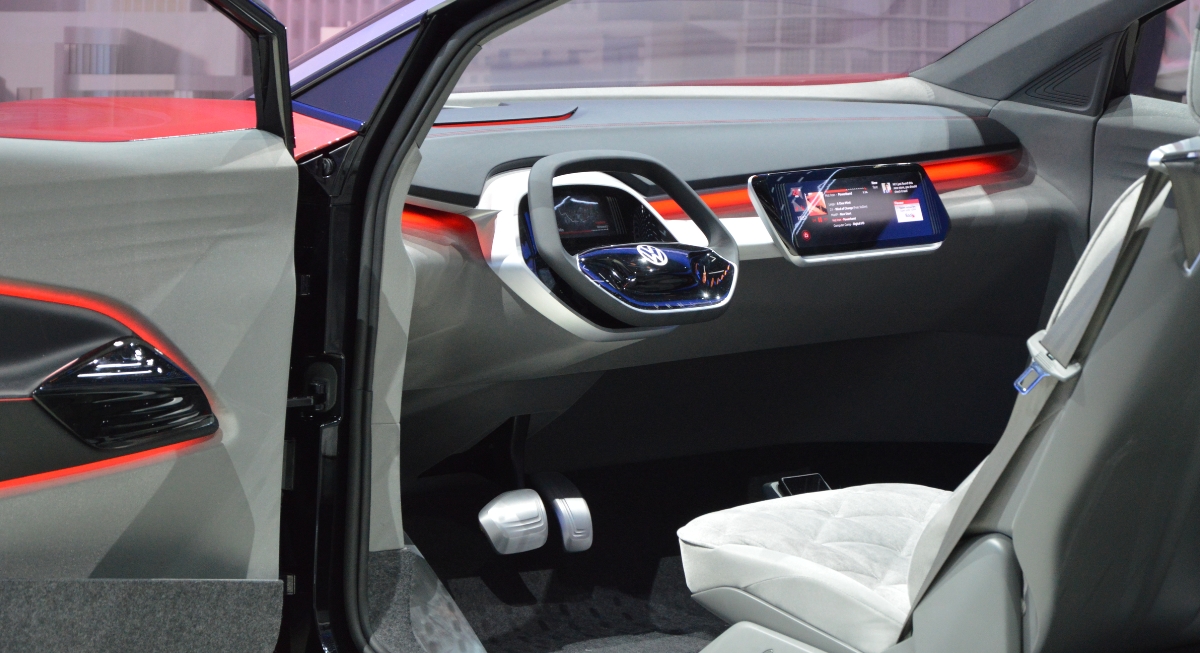
Large touchscreens once grabbed attention because they looked futuristic. The focus shifted toward how all those displays work together. Automakers presented systems that connect navigation, entertainment, climate controls, communication tools, and AI assistants into a single ecosystem. Designers increasingly build cabins around software experiences rather than treating technology as an add-on feature.
Cars Are Learning To Understand Context
Credit: Canva
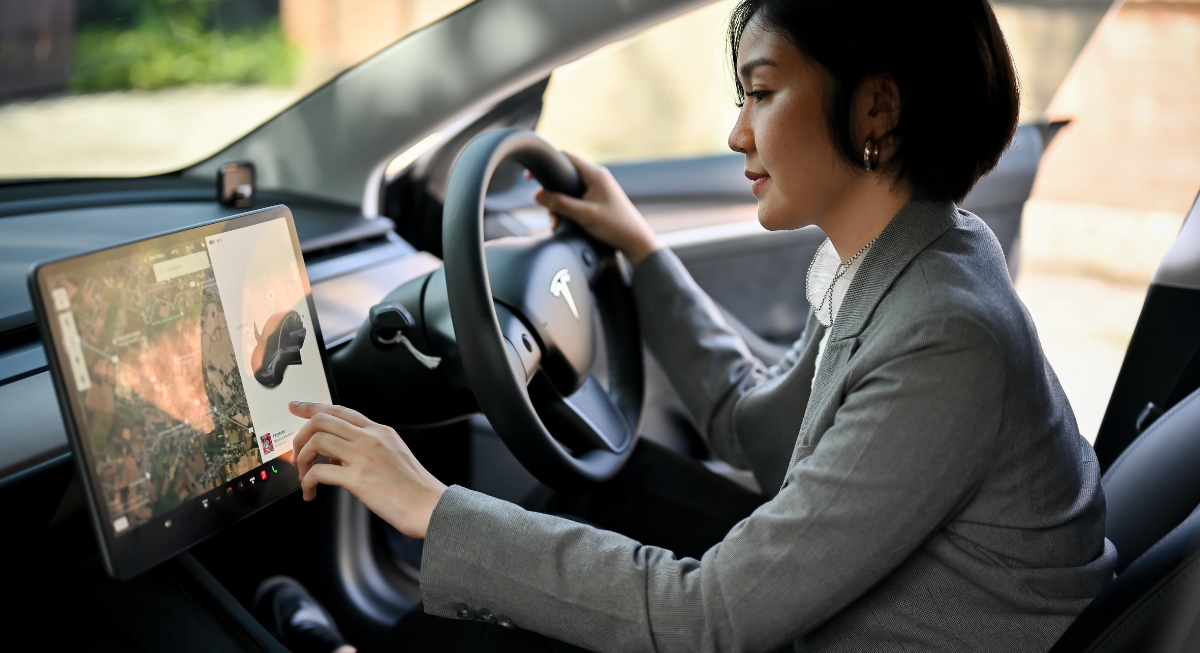
The latest AI systems are moving beyond basic commands. Several manufacturers showcased assistants capable of interpreting vague requests and remembering previous interactions. A driver can ask for a restaurant visited earlier in the week or request a route similar to a previous trip. This shift makes conversations with vehicles feel less mechanical and closer to interactions people already have.
Software Updates Keep The Competition Moving

Credit: Canva
Traditional vehicle features remained unchanged after leaving the dealership. Smart cockpits operate under a different model. Manufacturers can deliver new functions through over-the-air updates months or even years after purchase. That means competition never really stops. A vehicle shown in Beijing this spring could gain additional capabilities by winter, creating a constant race to release useful updates faster than rivals.
Domestic Brands Have Turned Technology Into An Advantage
Credit: Wikimedia Commons
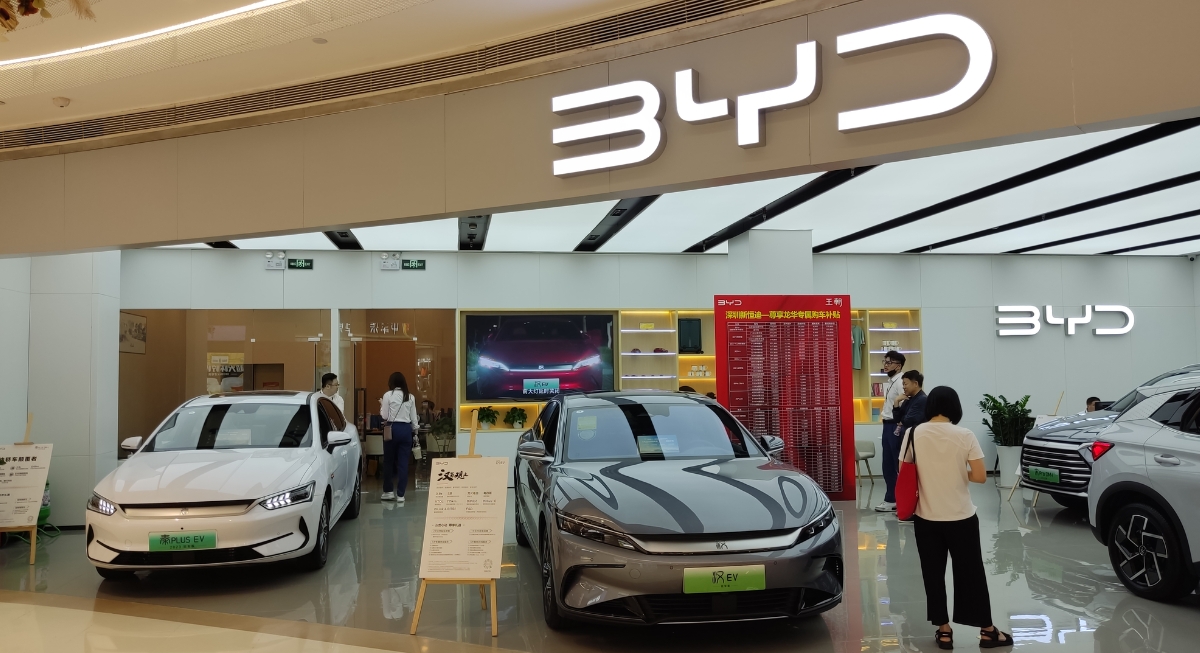
Chinese automakers have become highly effective at integrating local digital services into vehicles. Navigation platforms, payment systems, entertainment apps, and AI assistants work together in ways tailored to local consumers. International brands are responding by increasing partnerships with Chinese technology firms. The show highlighted how software localization has become just as important as vehicle engineering in the country’s auto market.
Multi-Modal Interaction Is Replacing Simple Voice Commands
Credit: pexels
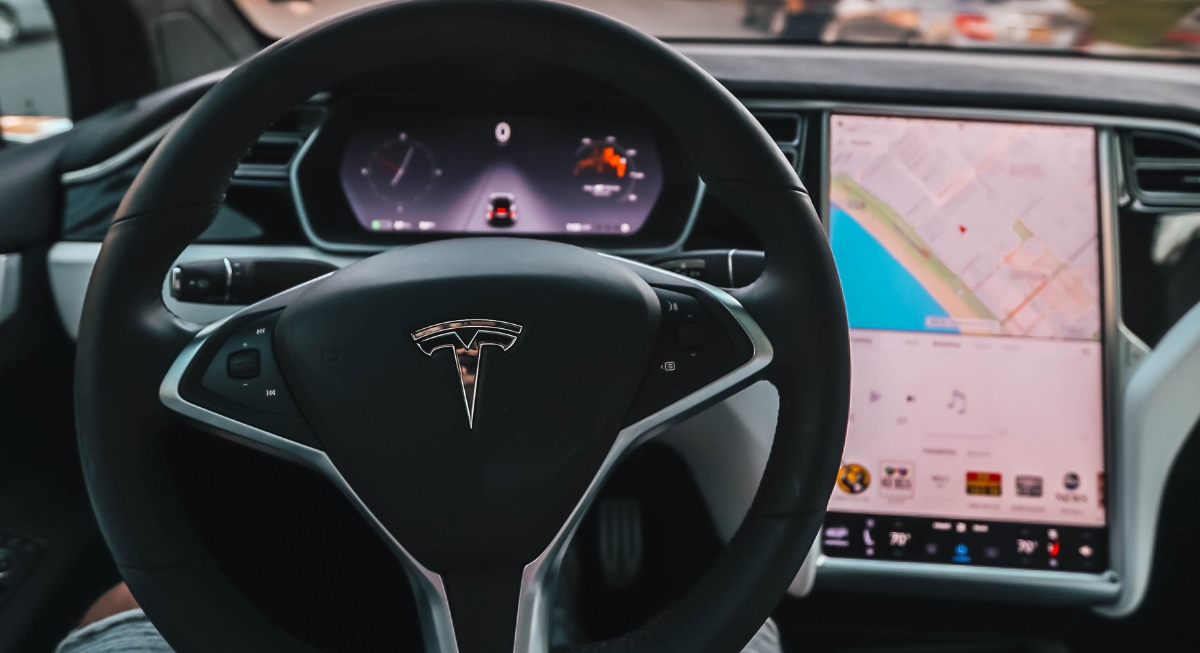
New cockpit systems increasingly combine voice recognition with cameras, gesture controls, eye tracking, and occupant monitoring. Vehicles can interpret several forms of input at once and react accordingly. The goal is to make interactions feel more natural and reduce the need for drivers to dig through menus or touchscreens while driving.
The Technology Is Likely Heading Global

Credit: Getty Images
What appears in China rarely stays there for long. Many features shown in Beijing are expected to spread into international markets as consumer expectations change. The smartphone industry followed a similar path when innovations introduced in one region became standard worldwide. Automakers understand that today’s cockpit experiments may shape what drivers in North America and Europe expect in the near future.