10 Things You Could Buy for $1 in the ’80s
In the 1980s, one dollar was enough to cover everyday expenses without special effort. Prices for food, transportation, and entertainment were low enough that small purchases fit easily into daily life. Here are some examples drawn from documented prices that reflect the real buying power of one dollar at the time.
A Bus Ride Across Town
Credit: Canva
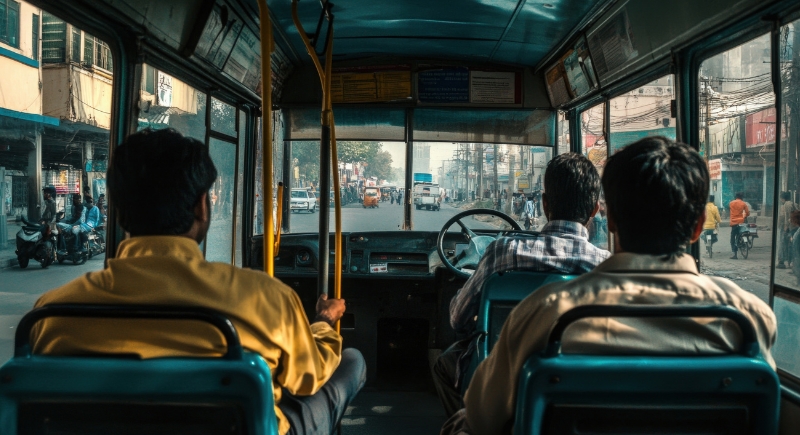
Public transit fares in many U.S. cities stayed under one dollar throughout the early and mid-1980s. In Chicago, a bus ride used to cost about $0.90, with discounted transfers available. That pricing allowed students, workers, and seniors to travel across neighborhoods without needing passes or advance planning.
A Dozen Eggs
Credit: Canva
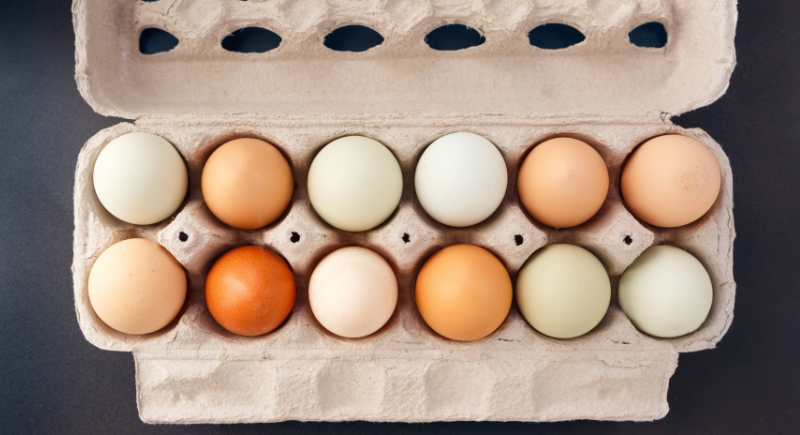
In the early 1980s, a dozen eggs typically sold for around $0.70 to $0.90 in U.S. grocery stores. They were used daily in households where cooking was done at home. Price stability made eggs a predictable item on weekly shopping lists rather than something people compared or substituted.
A First-Class Postage Stamp
Credit: Reddit
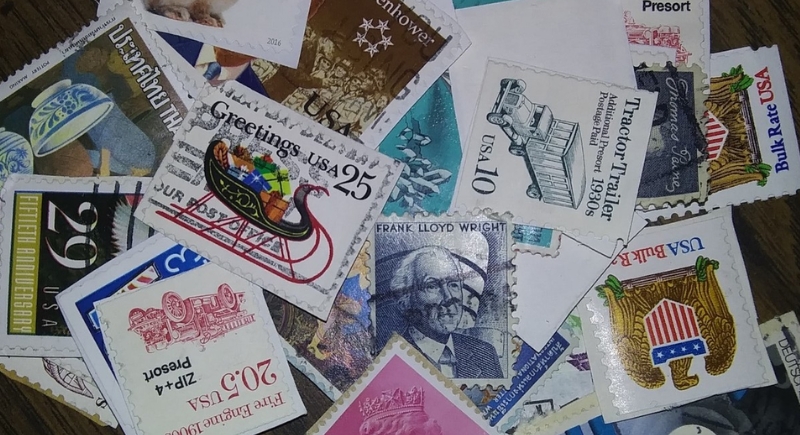
Sending mail through first-class at the time was barely considered an expense. In 1985, a U.S. first-class stamp cost $0.20, and it later increased to $0.22. People mailed bills, cards, and personal letters regularly, often buying stamps in sheets, as a single dollar covered several envelopes without a second thought.
A Loaf of White Bread
Credit Aflo Images
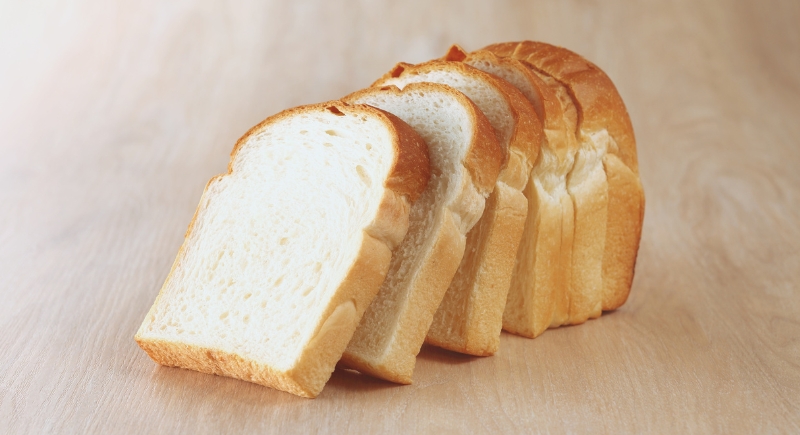
In 1981, a standard loaf of white sliced bread cost approximately $0.50 in many states, including Pennsylvania. Households routinely bought bread in multiples for sandwiches and meals, treating it as a dependable, low-cost essential rather than a budget item.
A Candy Bar
Credit: Getty Images
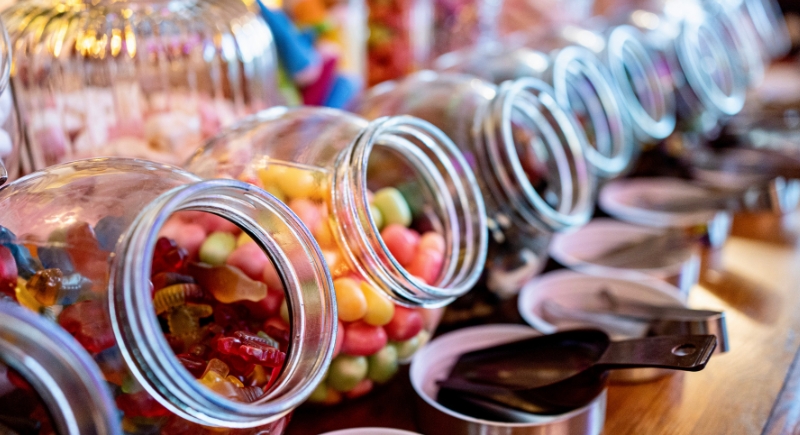
Candy counters were built for loose change, as kids could walk into a convenience store with a dollar and choose several options instead of one. Selection mattered more than brand loyalty. Chocolate bars, gum, and novelty candy all vied for attention, making the purchase a matter of choice rather than cost.
A Bottle of Soda
Credit: pexels
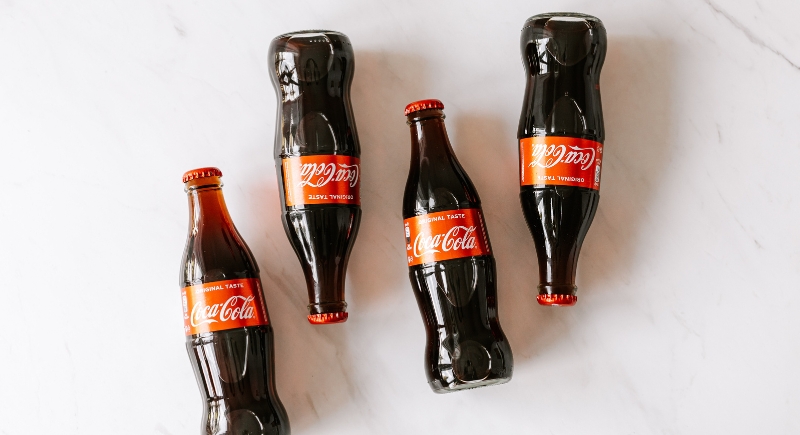
Buying a soda in the 1980s usually meant grabbing a glass bottle from a cooler or vending machine and paying with coins. Prices commonly ranged from $0.50 to $0.75. There were no size tiers or app discounts. The cost was fixed, the choice was straightforward, and the transaction concluded.
Comic Books by the Stack
Credit: pexels
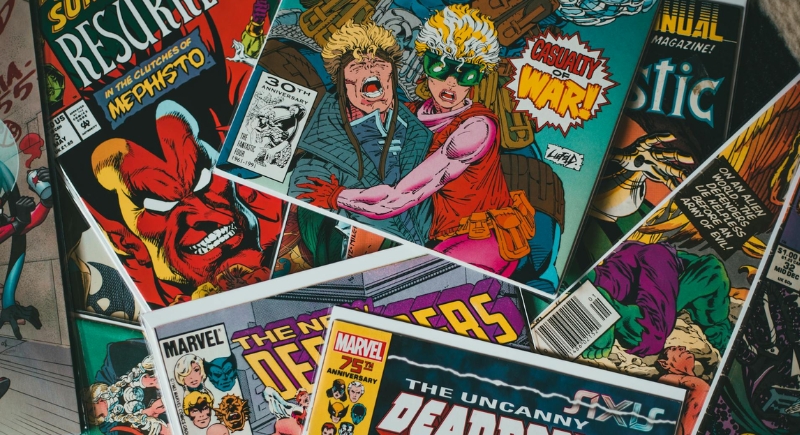
Newsstands and grocery stores treated comic books as everyday reading, not collectibles. Bright covers sat near checkout lines, and new issues arrived weekly. Kids often grabbed more than one at a time, knowing a single dollar could stretch across multiple stories without needing a special trip or adult approval.
A Simple Tube of Lipstick
Credit: pexels
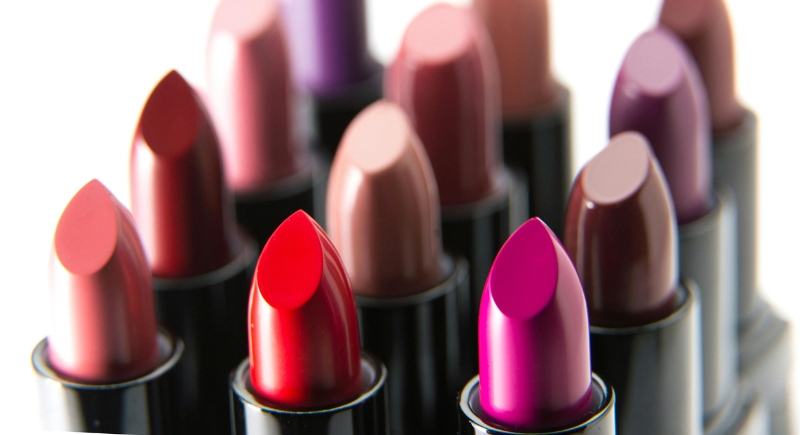
Drugstore lipstick in the 1980s was treated as a basic purchase, not a small luxury. Most stores carried a narrow range of shades, and shoppers chose based on familiarity rather than branding. When a tube ran out, it was replaced without hesitation, making makeup a routine expense rather than a statement buy.
Pantyhose for Daily Wear

Credit: Getty Images
Pantyhose were a routine wardrobe item in the 1980s, especially for office jobs, church, and formal settings. Because they tore easily, replacing them was routine. Drugstores and grocery stores stocked them near everyday basics, so buying a new pair felt no different than picking up socks or toiletries.
A Gallon of Gas for the Car
Credit: Getty Images
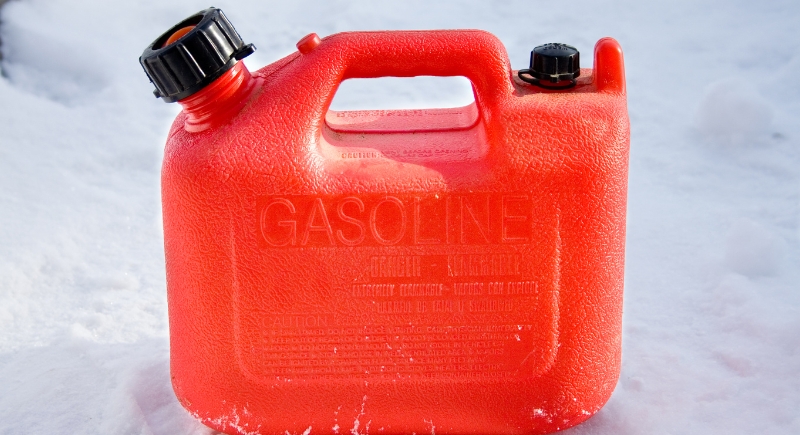
In the early 1980s, gas prices in the U.S. typically ranged from about $0.90 to $1.10 per gallon, depending on region. Many stations allowed drivers to pump first and pay after. Buying a single gallon for local errands was common, especially during periods of steady prices following late-1970s oil shocks.