The 10 Most Expensive Liquids in the World
It’s easy to picture gold bars or diamond rings when thinking about pricey things, but some of the costliest substances on Earth are liquids people rarely see up close. Their value comes from rarity, tough production methods, or life-saving uses that keep demand high. Here’s a look at ten liquids with price tags that surprise almost everyone, based on the information gathered from the three articles you provided.
Mercury
Credit: Wikimedia Commons
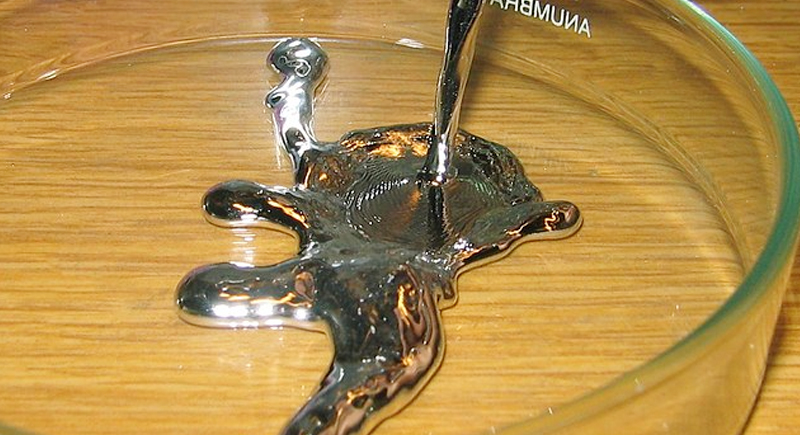
The metal is naturally found in cinnabar ore, and extracting and refining it takes careful handling. We’re talking about Mercury, which comes in around $900 per liter. Even though old thermometers used it, the actual amount inside those devices was tiny compared to the cost of extracting the metal from the Earth.
GHB
Credit: iStockphoto
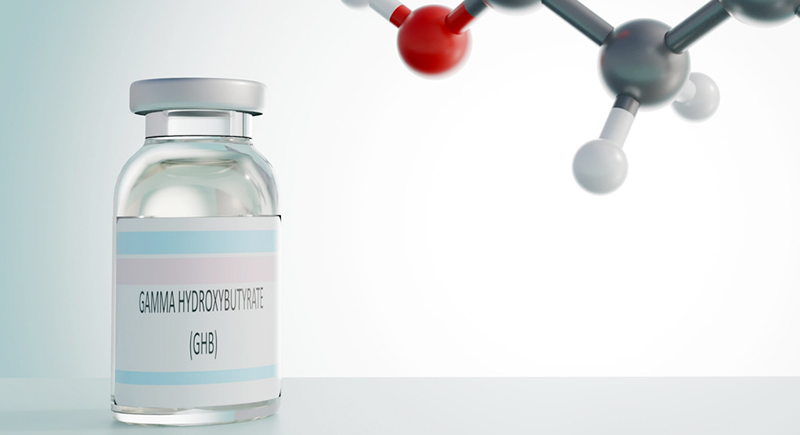
GHB is used as an anesthetic and in treatments for conditions like narcolepsy and insomnia. It costs around $660 per liter. It occurs naturally in small amounts in some foods through fermentation, but the version used in medical settings is produced under controlled conditions.
Human Blood
Credit: pexels
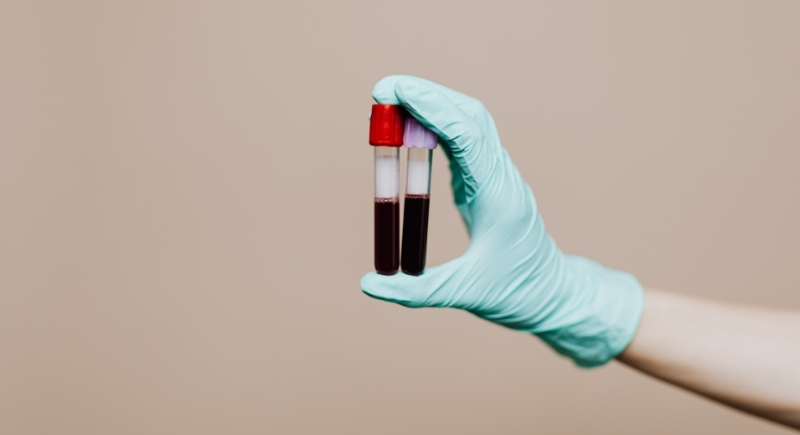
Human blood costs nearly $1,500 per gallon and about $400 per liter because donated blood still requires extensive processing. Testing, storing, separating components, and safely managing each donation take trained workers and strict systems. Hospitals rely on these steps to make sure transfusions are safe.
Black Printer Ink
Credit: Canva
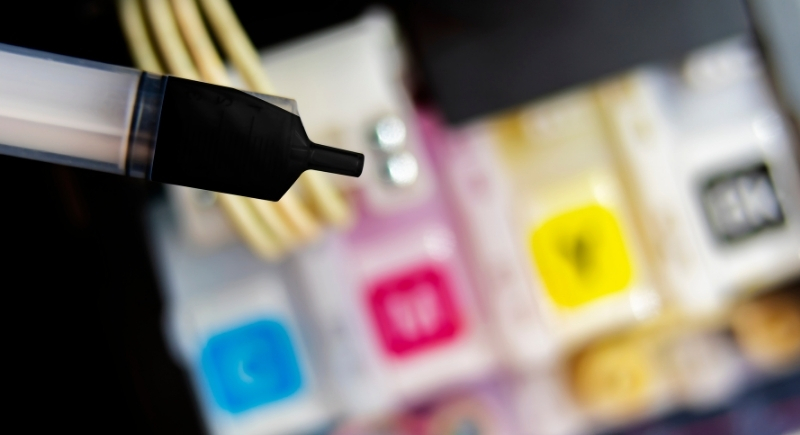
Companies spend vast amounts on research to create ink that stays sharp on paper and doesn’t clog machines. Printer manufacturers also design cartridges to keep most people buying their brand’s replacement ink. It can reach about $12,000 per gallon and around $720 per liter.
Chanel No. 5
Credit: Wikimedia Commons
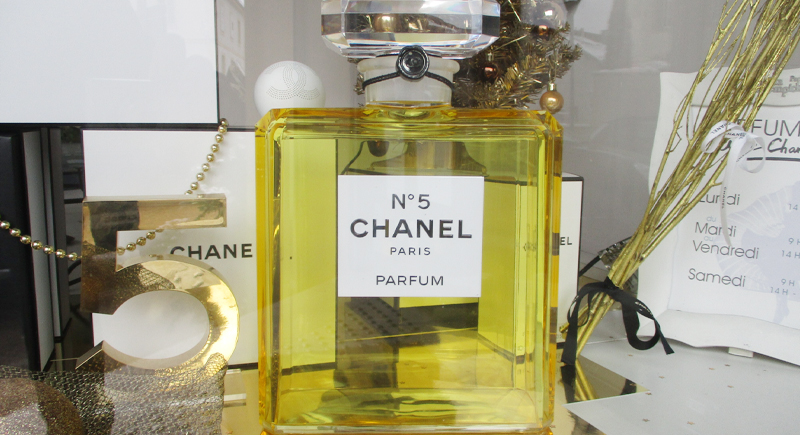
A gallon of Chanel No. 5 can reach about $26,000 and around $6,900 per liter. Rare floral oils and an iconic formula developed in 1922 keep this fragrance in luxury territory. Years of branding and its reputation as a classic perfume mean buyers pay for the scent and the story behind it.
Insulin
Credit: Getty Images
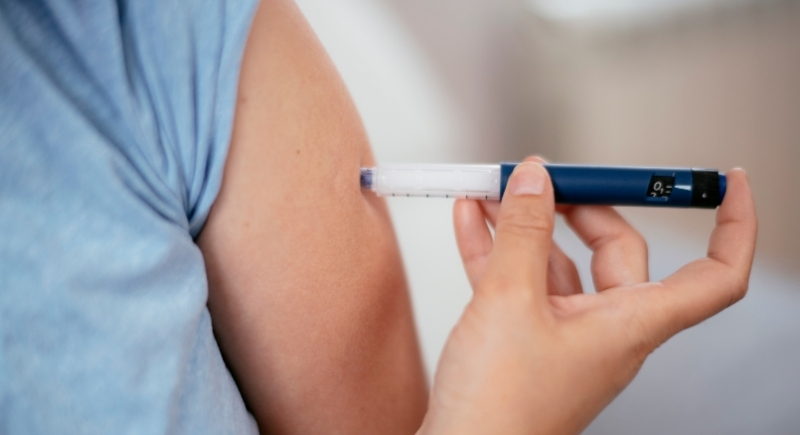
At scale, insulin becomes astonishingly expensive. When converted into everyday volumes, the cost can reach roughly $13,000 per gallon, with a liter ranging anywhere from about $3,900 to more than $26,000 depending on who manufactures it. Those figures reflect how complex it is to produce biosynthetic insulin in a way that mirrors what the pancreas normally releases. For the millions who depend on it, these prices shape how consistently they can manage their diabetes and whether treatment feels within reach.
LSD
Credit: Wikimedia Commons
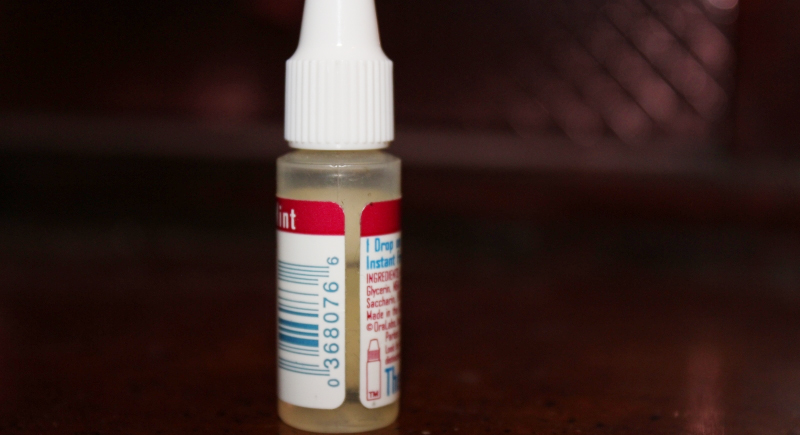
LSD reaches roughly $32,500 per liter because it takes specialized chemical processes to produce. Only a tiny amount creates strong hallucinogenic effects, and the combination of complex synthesis and controlled handling keeps the cost high.
Horseshoe Crab Blood
Credit: Wikimedia Commons
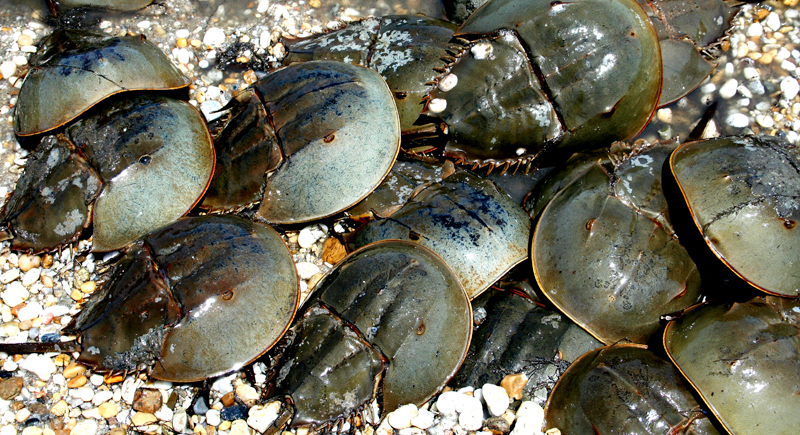
The blue blood of a horseshoe crab’s value comes from its ability to detect harmful bacterial toxins in vaccines and medical equipment. Because demand keeps growing and harvesting is limited, the price continues to rise. It sells for about $60,000 per gallon and around $15,850 per liter.
King Cobra Venom
Credit: iStockphoto
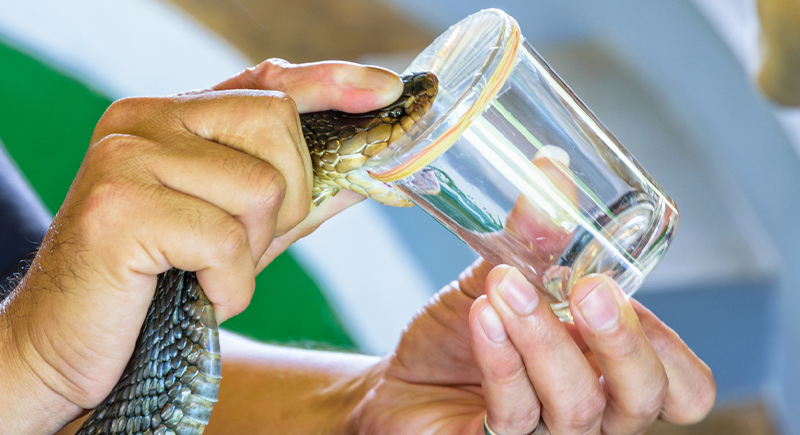
King cobra venom sits near $153,000 per gallon and around $40,400 per liter. This venom contains a protein called Ohanin, which researchers are testing as a possible ingredient for future painkillers. Since each extraction yields such small amounts, the price stays high for anyone who needs it for medical research.
Scorpion Venom
Credit: Getty Images
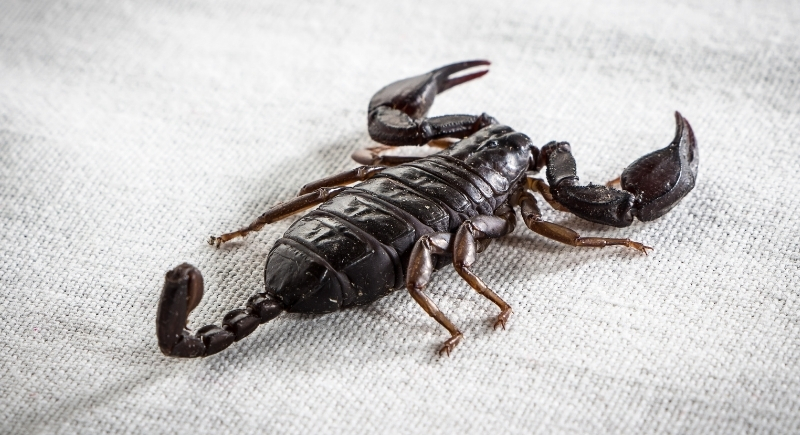
Nothing tops scorpion venom, which can reach around $39 million per gallon and over $10 million per liter. The price climbs because each scorpion produces only tiny drops, so collection takes time and patience. The proteins inside this venom are being studied for treating autoimmune diseases and even certain types of brain cancer, which explains why labs pay such eye-watering amounts.