10 Industries That Are Secretly Monopolies
It’s easy to think monopolies only exist in dusty economics textbooks or court cases from a hundred years ago. However, the truth is that just one major player quietly dominates many modern industries. You might think you have choices, but often, the options are all owned or controlled by the same entity. Here are ten industries that look competitive on the surface but are mostly run by a single powerhouse.
Eyewear Manufacturing
Credit: pexels
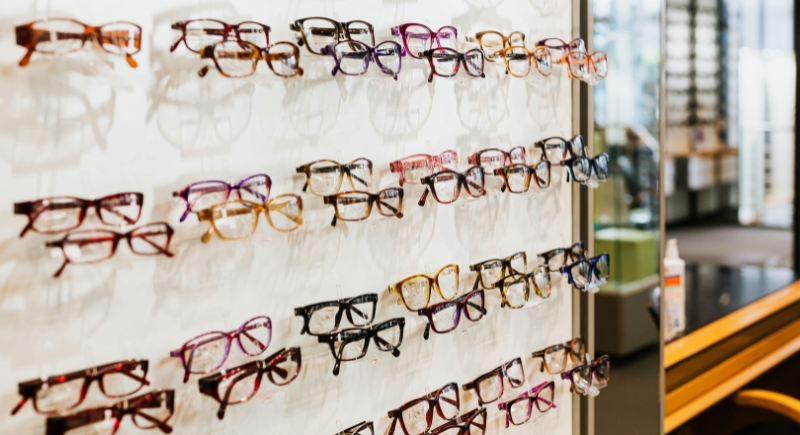
Store shelves look full of options, but many of those brands connect back to Luxottica. The company owns Ray-Ban and Oakley, licenses names like Prada and Vogue, and runs major retail chains. Even EyeMed, which handles vision care for many clinics, sits under the same umbrella.
Credit Card Networks
Credit: Canva
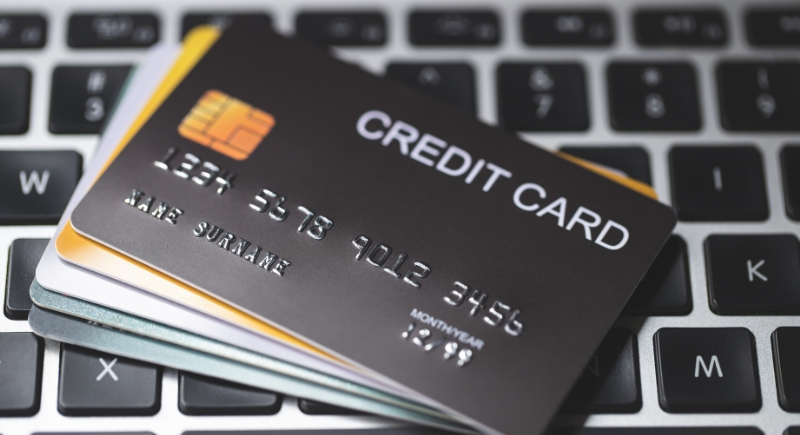
Visa dominates the global credit card industry without ever issuing a single card. Instead, it provides the payment network used by banks, merchants, and consumers. In the U.S., Visa processed more than $10 trillion in purchase volume in 2022—over double its closest competitor.
Zipper Production

Credit: Getty Images
Those small “YKK” letters on your jacket show how far one company reaches. The Japanese manufacturer supplies a huge share of the world’s zippers and even builds the machinery that produces them. Keeping everything in-house lets YKK control quality so closely that its products end up everywhere without most people noticing.
Online Search Engines
Credit: pexels
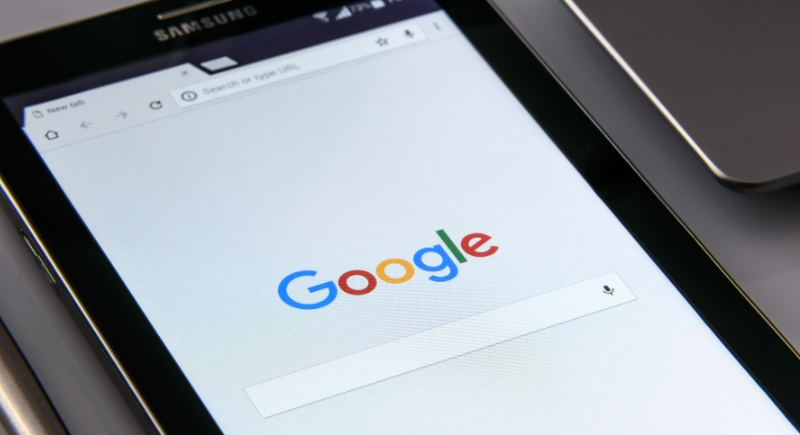
Google holds over 90% of the global search engine market, according to StatCounter. That figure barely budges year after year. Competitors like Bing and DuckDuckGo barely scrape the edges. Even most smartphones and browsers default to it, which keeps the cycle going and the data flowing right back to Google.
Operating Systems for Computers
Credit: pixelshot
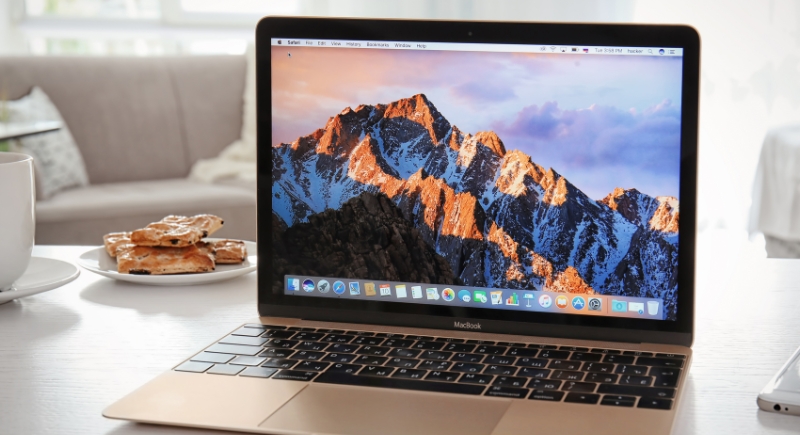
Most laptops and desktops worldwide run some version of Microsoft Windows. Even as Apple carves out space with macOS, Windows still controls nearly three-quarters of the global market. Since the 1990s, Microsoft’s operating systems have been bundled into the majority of PCs sold worldwide.
Social Networking
Credit: pexels
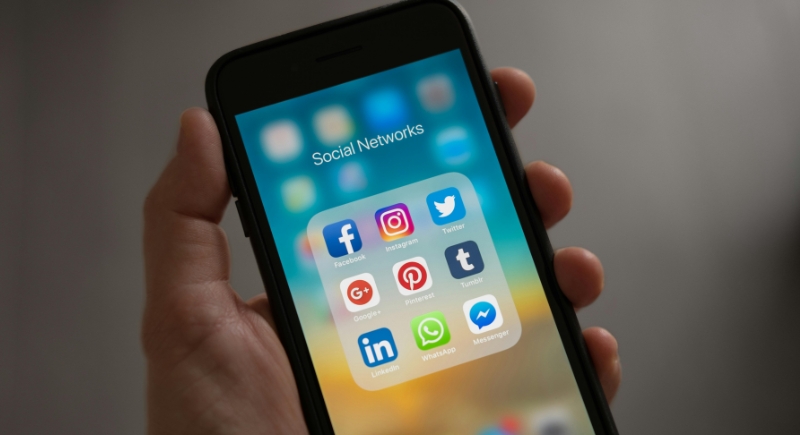
Facebook, now operating under Meta, owns two of the world’s largest social messaging platforms: Facebook itself and WhatsApp. Add Instagram into the mix, and Meta holds the attention of billions daily. With over 3 billion users across its platforms, Meta largely owns the infrastructure where digital social life happens.
Cloud Computing Services
Credit: Wikimedia Commons
Amazon Web Services (AWS) provides the backbone for much of the internet. From startups to major corporations, AWS hosts platforms, processes data, and delivers cloud services on a massive scale. Its lead in infrastructure, tools, and trust makes it the go-to provider even for competitors like Netflix and Apple.
E-Commerce in China
Credit: Wikimedia Commons
Alibaba is so embedded in China’s online shopping habits that it’s practically a utility. With platforms like Taobao and Tmall under its control, it continues to shape how sellers reach customers and how digital payments and logistics operate across the country.
Pet Food Manufacturing

Credit: Canva
It’s easy to assume variety when shopping for pet food, but much of it comes from a small group of manufacturers. Simmons Pet Food is one of the biggest suppliers of private-label canned pet food in North America. Many store-brand pet foods trace back to their factories—even though the labels might say otherwise.
Diamond Distribution

Credit: Getty Images
For much of the 20th century, De Beers dominated the diamond industry, often controlling up to 90% of the global market. Even as competitors have chipped away at that share, De Beers still has an outsized influence over the price and supply of diamonds worldwide.