Do This Immediately After Turning 50 To Protect Your Nest Egg
Turning 50 often shifts how people think about their money. There is still time to grow your savings, but the margin for recovering from major mistakes becomes smaller. That is why steady, thoughtful decisions matter more than risky bets. This stage is a good time to focus on protecting what you have built by strengthening income sources, keeping costs under control, and ensuring your savings can support you in the years ahead.
Conduct a Full Financial Inventory

Credit: Canva
You may find it tedious to conduct a complete financial inventory, but it is important to help you understand your financial standing. Gather every account statement, loan balance, property estimate, and insurance policy into one organized document. This review can expose expensive debt and duplicate investments. It also reveals how much capital you truly control for retirement.
Build a Cash Reserve

Credit: pixabay
Financial planners frequently recommend keeping six to twelve months of core expenses in accessible savings. That range adjusts based on job stability and family responsibilities. Doing so prevents forced sales of investments during market downturns. Investors without cash buffers typically sell equities after declines to cover expenses and end up locking in losses.
Eliminate High-Interest and Variable Debt

Credit: Canva
Carrying high-interest or variable-rate debt in your 50s increases vulnerability. Rising interest rates can push monthly payments higher and strain cash flow. However, once you pay off these balances, you deliver a guaranteed return equal to the interest rate. Consequently, lower debt obligations bring down the amount you must withdraw in retirement.
Adopt a Capital Preservation Mindset

Credit: Getty Images
Warren Buffett frequently emphasizes avoiding irrevocable loss of capital. That principle becomes more relevant as retirement approaches. Large portfolio volatility takes longer to recover when time horizons shorten. When you are in your 50s, make sure to lessen concentrated positions and avoid speculative bets. Turbulence may occur, yet panic selling converts temporary declines into permanent setbacks.
Prioritize Low-Cost, Broad Diversification

Credit: Getty Images
What most people don’t know is how strongly expense ratios define long-term results. Many passively managed index funds charge under 0.10% per year, which sounds insignificant at first glance. Meanwhile, actively managed funds may charge 1% or more in annual fees. Overlooking such costs allows silent erosion of returns that you might not notice in real time.
Adjust Asset Allocation

Credit: Canva
It is normal for individuals at this time to move toward a more balanced investment mix. A lot ot them might hold roughly 50 to 65% in equities and adjust it based on risk tolerance and expected earnings sources. But with fewer working years ahead, portfolio stability becomes more important than rapid growth. Bonds and cash equivalents support that goal through possibly steadier returns and more predictable income streams.
Shield Against Sequence-Of-Returns Risk

Credit: Canva
Sequence risk refers to poor market returns early in retirement that disrupt long-term cash flow plans. Historical downturns show how early losses can permanently reduce withdrawal capacity. On this note, holding 2 to 5 years of essential expenses in low-volatility assets, such as cash or short-term bonds, provides protection.
Make a Strategic Social Security Decision
Credit: Getty Images
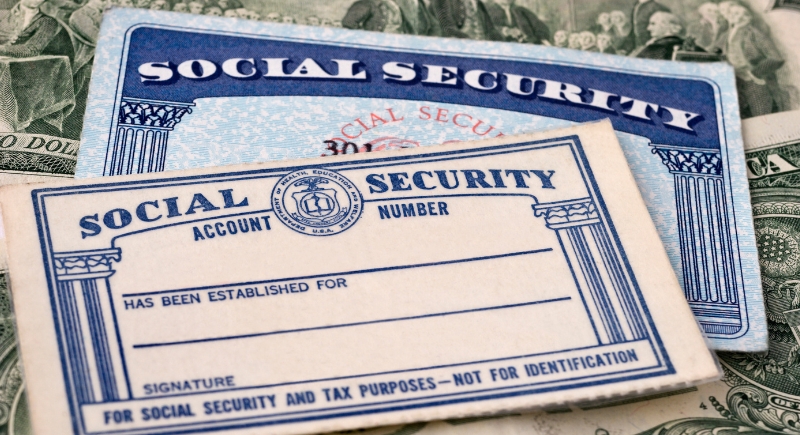
At age 62, you are free to claim Social Security benefits, but payments increase roughly 8% per year if you delay past full retirement age until 70. This is because larger monthly checks create a higher guaranteed income. Social Security also includes cost-of-living adjustments that help offset inflation.
Test Your Withdrawal Plan Under Stress

Credit: Canva
There’s a 4% rule that suggests withdrawing 4% of portfolio value in the first year of retirement and adjusting that amount annually for inflation. Researchers developed this rule using historical market data. Treat it as a starting framework, not a promise. Run projections that include higher inflation and weaker market returns.
Plan for Healthcare and Long-Term Care Costs

Credit: Canva
Healthcare expenses typically rise faster than general inflation. For this reason, medicare premiums, prescription drugs, and routine care require careful budgeting. Health Savings Accounts allow tax-free withdrawals for qualified medical expenses, which can preserve taxable investments. In addition to that, long-term care insurance can safeguard assets against extended care costs.