10 Countries Where Bribery Is Expected for Basic Services
In some parts of the world, obtaining everyday services such as renewing a license or receiving medical attention doesn’t just take time; it often requires extra cash under the table. Bribery, while illegal almost everywhere, is still deeply ingrained in the way things work in certain countries. Here’s a look at where petty corruption often feels like a standard procedure.
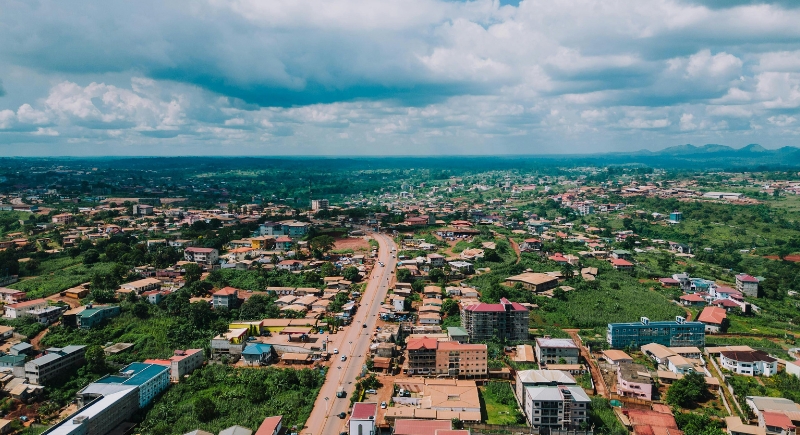
South Sudan’s Missing Roads and Money
Credit: pexels
A UN review found that $1.7 billion from a $2.2 billion infrastructure fund disappeared, leaving only scattered gravel where planned roads should be. The problem extends beyond vanished budgets. Many citizens can access basic services only after paying small bribes to move papers, release supplies, or approve repairs. These routine demands slow everything down and keep essential services out of reach for people already facing severe hardship.
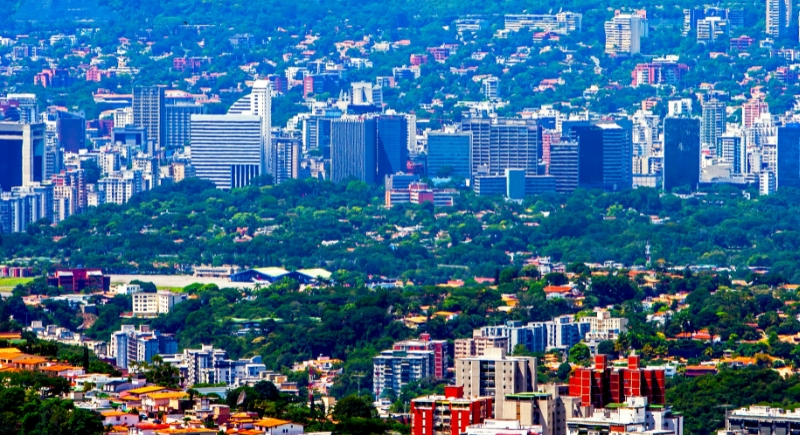
Venezuela’s Shortages Come With a Price Tag
Credit: Getty Images
In Venezuela, public employees working in food and medicine distribution have been caught demanding bribes just to get people on waiting lists. The economic crash left shelves empty and inflation skyrocketing, but what’s worse is needing to “tip” someone to access supplies that are supposed to be free.
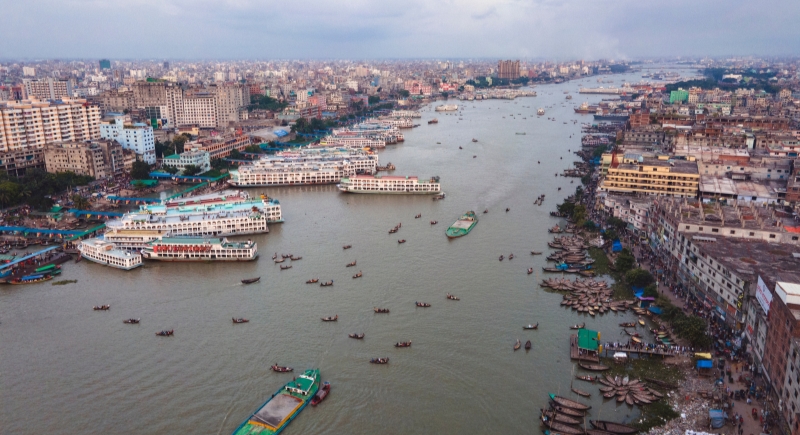
Bangladesh’s Bribe-For-Jobs Routine
Credit: Getty Images
Many people hoping for public sector jobs in Bangladesh know they might need to pay before their application is taken seriously. Transparency International has documented how bribes often shape government recruitment. The pattern continues after hiring. Routine tasks such as processing paperwork or connecting utilities can stall because some officials refuse to move a file until extra money appears.
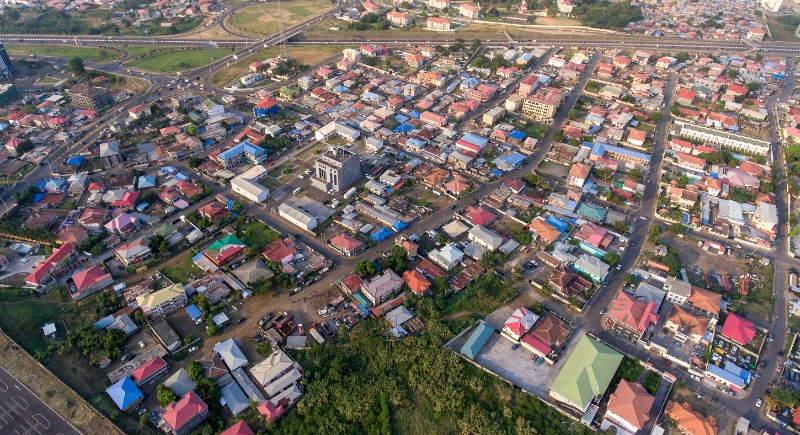
Equatorial Guinea’s Riches Stay at the Top
Credit: Getty Images
Despite being one of Africa’s wealthiest countries by GDP per capita, Equatorial Guinea remains one of the most corrupt. Basic services often stall until payments are made to the right people. Oil wealth lines the pockets of the elite, while over half the population lives without clean water or reliable healthcare.
Afghanistan’s Fee to Be Seen
Credit: Getty Images
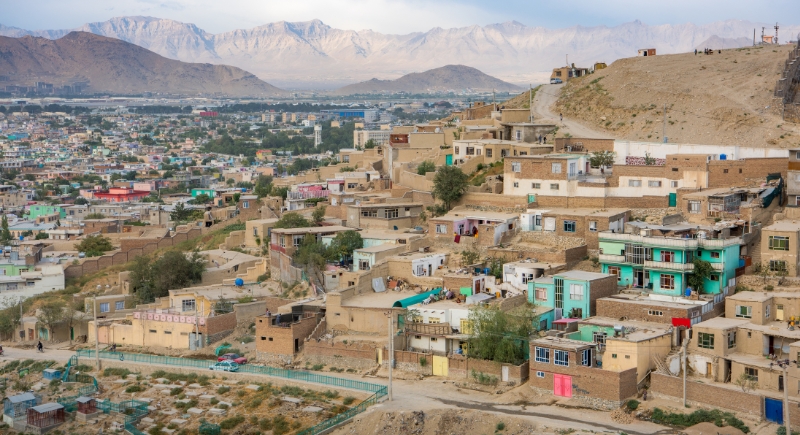
In parts of Afghanistan, visiting a public doctor can involve a “facilitation fee” just to see someone, despite the services being technically free. Aid meant for reconstruction or relief gets siphoned off by middlemen or officials, and low-paid public workers sometimes rely on small bribes to make ends meet.
Kyrgyzstan’s Paywall on Public Services
Credit: Canva
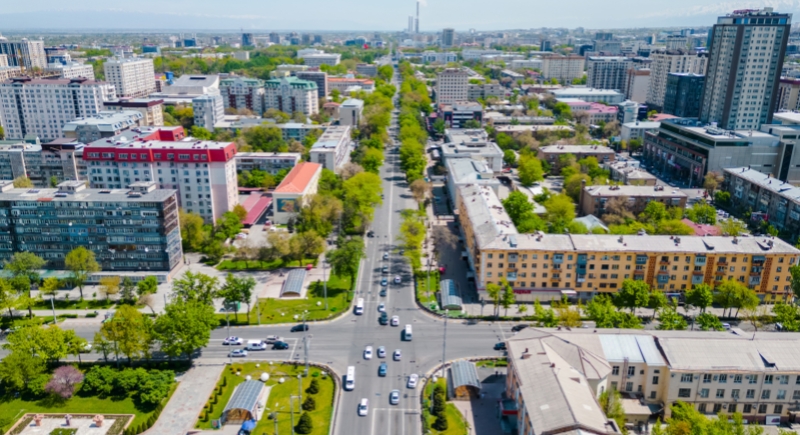
Transparency International reported that nearly 60% of public service firms in Kyrgyzstan have received at least one bribe request. Whether it’s issuing a permit, processing paperwork, or even enrolling a child in school, payments often slip in unofficially. What’s more telling is that many citizens expect the demand.
Yemen’s Public Sector Is a Family Affair
Credit: Getty Images
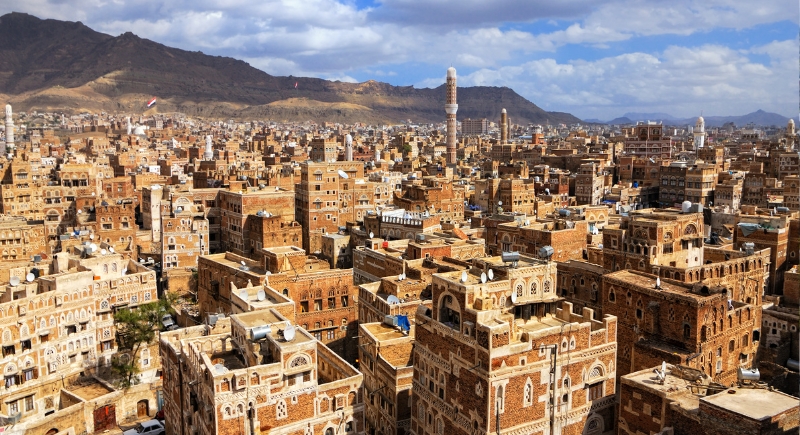
Nepotism and patronage networks dominate public life in Yemen. Even with oversight bodies in place, they often fail to function effectively. Political offices and services usually go to those with the right connections or willingness to pay. People frequently wait weeks for basic utilities unless they know someone or know what to offer someone.
Pakistan’s Licensing Obstacle Course
Credit: Getty Images
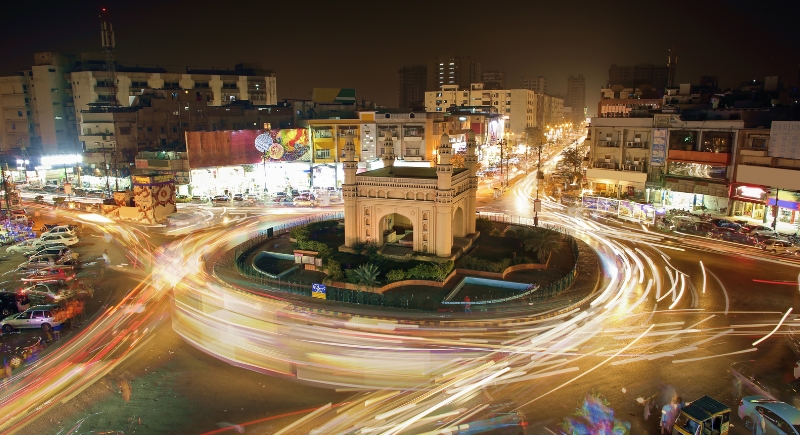
In Pakistan, getting a driver’s license or a land record often turns into an exhausting circuit of counters and signatures, and many people end up paying to move things forward. Nearly one-third of firms have reported direct bribe requests. Even basic utilities can come with unofficial fees, turning routine services into costly hurdles for citizens and businesses.
Somalia’s “Unofficial” Fees Stack Up
Credit: Getty Images
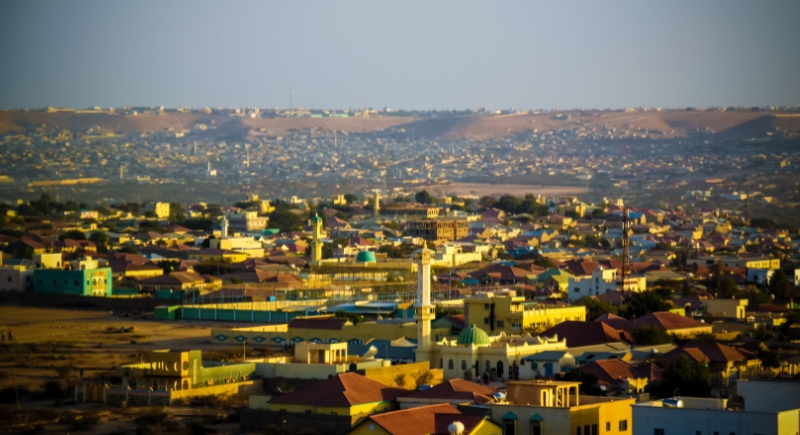
Somalia’s collapsed institutions opened the door to a different kind of system: one where every public interaction is a transaction. Teachers may charge for school access, and officers sometimes request payments to file a report. With no stable government structure, bribes often fill the gap where systems are supposed to exist.
Nigeria’s Public Sector Tolls
Credit: pexels
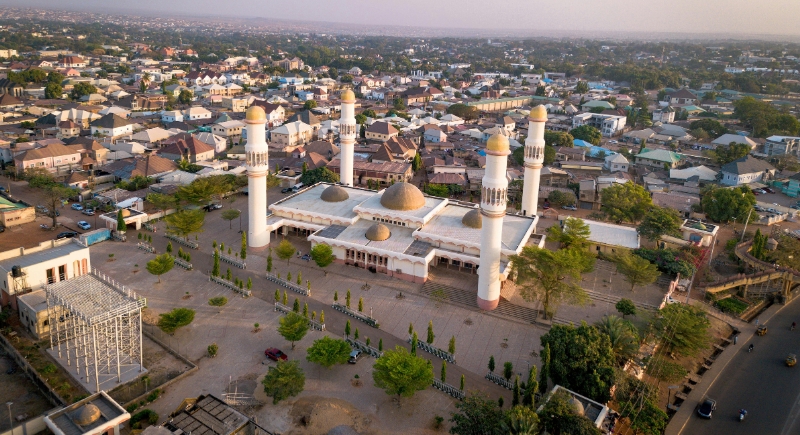
According to the Nigerian Bureau of Statistics, nearly a third of citizens surveyed admitted to paying a bribe to access public services. It’s often described as “tipping the system” just to get what you’re already entitled to. And it isn’t always small change; it adds up across millions.