Retiring in 2026? These Are the Best States to Consider
Daydreaming about life after the 9-to-5 is easy, but choosing a place that fits your budget, health needs, and way of life isn’t always simple. State taxes, hospital access, and weather patterns start to matter more than scenic views. A handful of states have pulled ahead for retirees in 2026 by combining practical perks with livability. Here are ten that stand out for the right reasons.
Wyoming Keeps More Money in Your Pocket
Credit: Getty Images
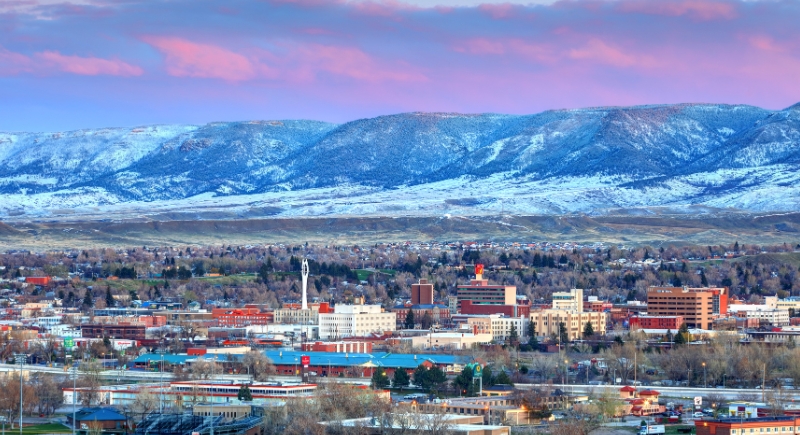
No state income tax, relatively low property taxes, and a modest cost of living make Wyoming especially appealing for retirees watching their savings. Yet it’s not just about stretching a budget. Wyoming consistently ranks high for senior health outcomes, and wide-open spaces mean less congestion and cleaner air.
Minnesota’s Healthcare Record Stands Tall

Credit: Getty Images
Minnesota holds the top spot for healthcare in multiple reports, thanks to a dense network of highly rated hospitals and abundant home health services. Seniors here also benefit from long life expectancies and a strong safety net. Winters are real, but so is the state’s investment in keeping older adults safe.
South Dakota Balances Budget and Lifestyle
Credit: Getty Images
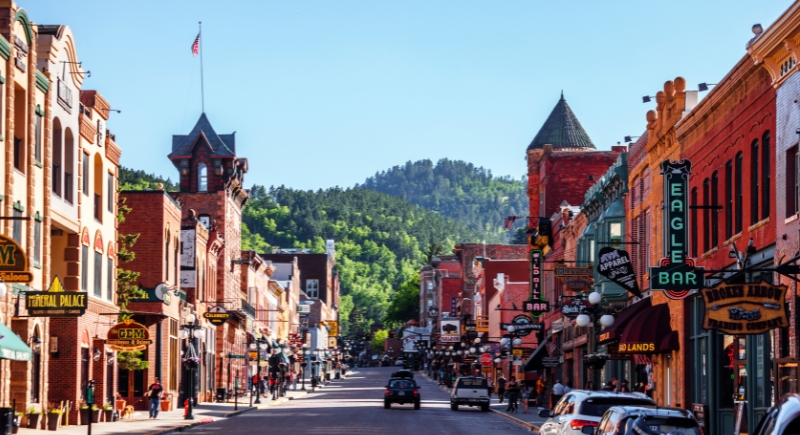
Retirees here don’t face state income tax, and property taxes remain manageable. That’s only part of the appeal. South Dakota also maintains high marks for access to recreational opportunities and low levels of senior poverty. Smaller towns offer reliable medical facilities, and the state’s consistent rankings across affordability and quality of life put it ahead of flashier options.
New Hampshire Handles Taxes Differently
Credit: Getty Images
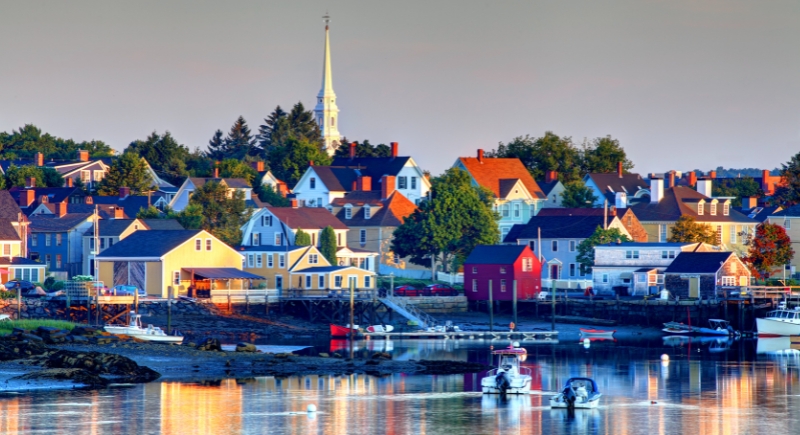
There’s no personal income or sales tax in New Hampshire. While property taxes are higher than average, the savings elsewhere balance things out for many retirees. Social Security income is untouched, and the state has one of the highest average payouts in the country.
Florida Still Knows How to Attract Retirees
Credit: Canva
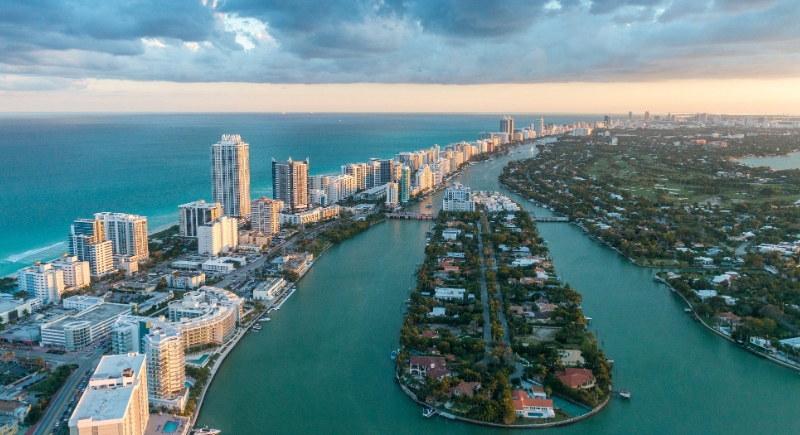
Florida’s lack of state income tax and wide range of senior-focused communities still give it an edge. Retirees can find everything from busy coastal cities to relaxed inland towns. It’s also one of the easiest places to access Medicare-participating providers. For those who don’t mind the heat, the financial and medical setup remains hard to beat.
Delaware Surprises With Tax-Friendly Perks
Credit: Canva
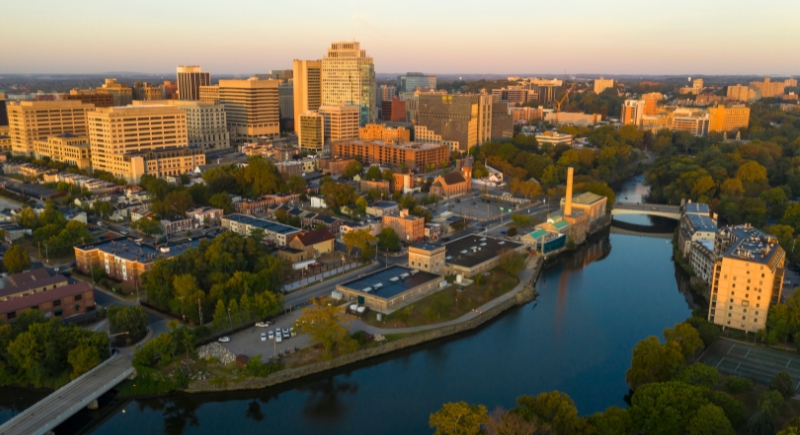
Delaware doesn’t always top lists, but it delivers strong retirement incentives. There’s no state sales tax, and retirement income exclusions apply to pensions and Social Security. It’s small enough for quick access to beaches, cities, and healthcare centers. For retirees who want convenience without big crowds or steep taxes, it’s worth a closer look.
Vermont Builds Strong Community Ties
Credit: Canva
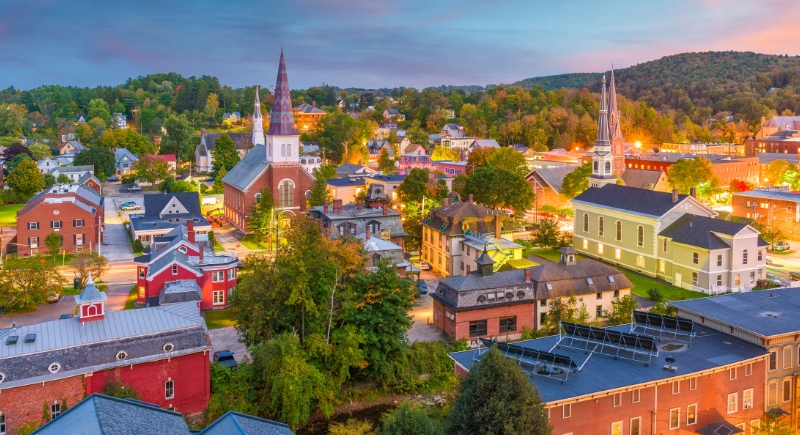
Vermont ranks high in social engagement and community quality, two factors linked to better health in older age. It also has one of the highest proportions of residents aged 65 or older, so local systems are built with seniors in mind. Healthcare quality remains solid, and scenic routes are often dotted with farm stands and outdoor markets.
Colorado Offers Altitude and Access

Credit: Getty Images
This state ranks well across the board, especially in healthcare and quality of life. Retirement communities are common, and access to hospitals and outdoor spaces is easy to find, even in suburban areas. Active seniors tend to thrive here, thanks to trails, parks, and year-round programming.
Iowa Keeps Healthcare Within Reach
Credit: Canva
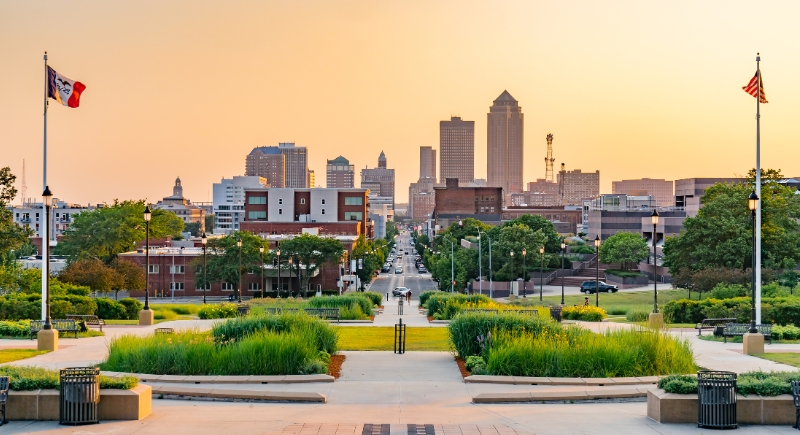
It may fly under the radar, but Iowa consistently lands in the top third of national retirement rankings. Hospital density is high relative to its population, and healthcare quality scores remain strong year over year. Homes cost less here than in many comparable states, and public safety levels remain low across much of the state.. That combination gives retirees room to breathe.
Montana Gives Retirees Room to Breathe
Credit: Getty Images
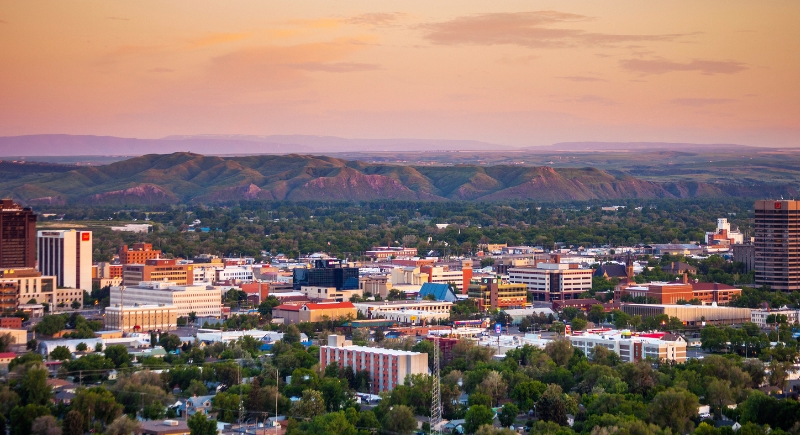
Montana offers low population density and high access to outdoor recreation, both of which tend to support physical and mental health in older adults. Cultural amenities, from libraries to local art venues, punch above their weight given the state’s size. Medical facilities are concentrated in regional hubs, and affordability ranks better than most of its western neighbors.